When Videogames Had Manuals: The Lost Art of Reading Before Playing
Before games explained everything on screen, manuals, maps, comics and paper inserts were part of the experience: objects to read, study, smell, damage, lose and remember.
Everything published in the English edition of Retro-Gamers: reviews, news, features, memories, guides, hardware and interviews.
30 contents available
Before games explained everything on screen, manuals, maps, comics and paper inserts were part of the experience: objects to read, study, smell, damage, lose and remember.
From Manfred Trenz on Commodore 64 to Factor 5, Chris Hülsbeck, Mega Turrican and the Super Nintendo chapters: the story of a saga that turned home computer limits into legend.
Classic Star Wars games still matter because they turned the films into playable fantasies across arcades, home computers, consoles and online worlds.
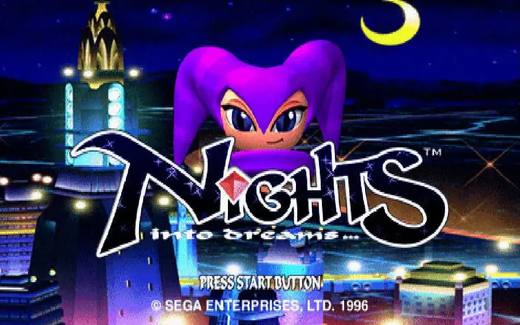
NiGHTS into Dreams… is one of the Sega Saturn’s most original games: a flying, musical score-attack experience where Sonic Team turned dreams into arcade design.
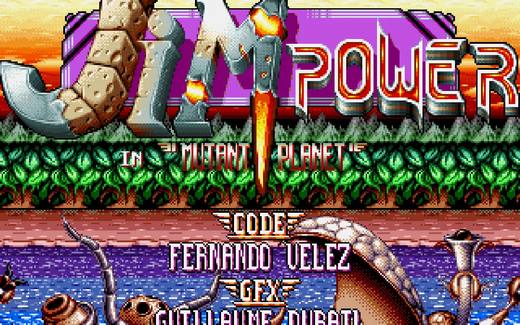
Jim Power in Mutant Planet is one of the most striking Amiga platformers of the early 1990s: console-like in style, powerful in sound, but also harsh, nervous and not always balanced.
Nintendo’s cinematic shoot ’em up: fast, spectacular and still one of the purest symbols of arcade action on Nintendo 64.
From his early years at Konami to Metal Gear, from Snatcher and Policenauts to the break with the traditional industry, and finally to the freedom of Kojima Productions: a journey through the work of one of gaming’s most recognizable auteurs.
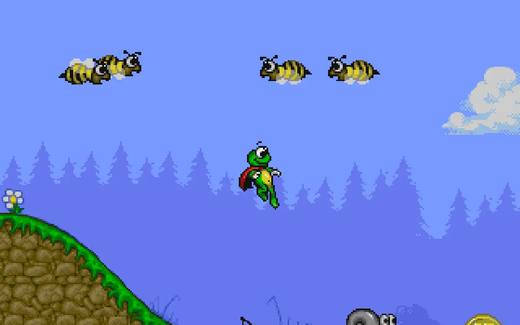
Clean, smooth and celebrated as one of Team17’s great Amiga symbols, Superfrog was supposed to be the machine’s answer to console platformers. Behind the polished surface, however, there is a good game carrying expectations far bigger than its actual qualities.
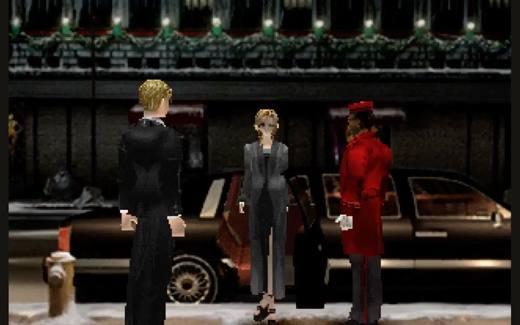
Squaresoft’s biological thriller that turned New York into a mutant nightmare, blending RPG, survival horror and late-1990s cinema.
The conversion that brought Capcom’s arcade legend into the living room and turned the Super Nintendo into the console to beat.
Commodore’s decline was not a sudden collapse, but a slow loss of direction, made of missed opportunities and choices that were never truly decisive — while the Amiga continued to be loved.
The Amiga demoscene: when code became art and pushed computers beyond every limit.
The less celebrated Commodore machines that helped build the foundations of home computing.
Two unreleased architectures that still represent the Amiga future Commodore never managed to deliver.
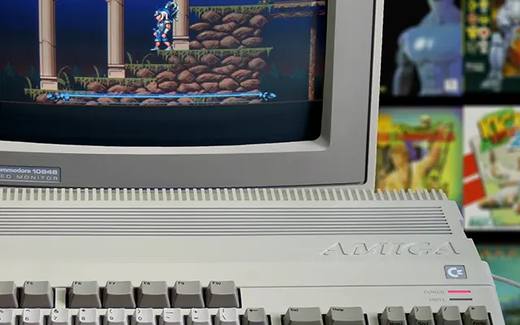
Amiga arrived with graphics, audio and multitasking that were far beyond what most people expected at the time: a machine projected into the future, but placed in the hands of a company that never fully understood what it had.
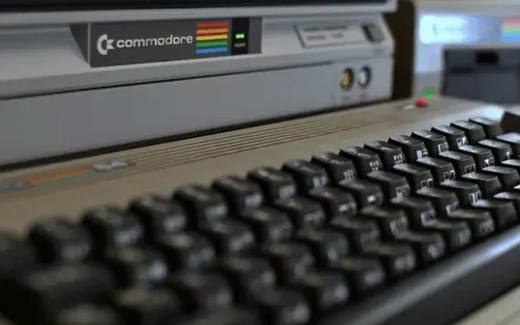
With the Commodore 64, the computer truly entered the home: a games machine, a tool for discovery and a symbol of an entire generation.
Before football games became television simulations, Sensible World of Soccer put the whole world into a few pixels, one joystick and an endless career.
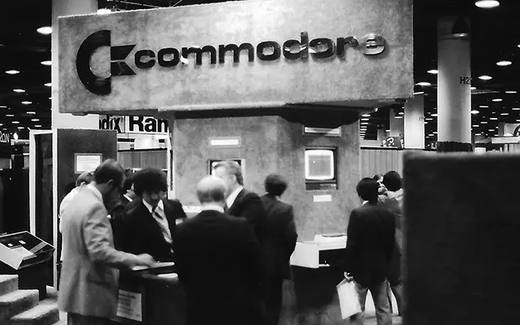
Before the Commodore 64 became a legend, Commodore had already changed its own destiny: from typewriters and calculators to the first personal computers.
A school memory of buses, smoke, records, credits and endless challenges around a pinball machine that seemed to call the whole bar to attention.
Retro Games Ltd brings back the spirit of the Amiga 1200 in a full-size machine with a working keyboard, HDMI, USB, Workbench and preloaded games.
The last great miracle of the Commodore 64: a fast, colourful and technically astonishing platform game released when the 8-bit machine seemed already out of time.
NEOGEO AES+ brings SNK’s arcade dream back home with cartridge support, HDMI output, a full-size design and an official arcade stick.
A technical and historical look at the Commodore 1541 and 1571, between serial bus limits, high expectations, Datasette comparisons and the clever tricks that made floppy loading faster.
Between Amiga, CD32, Saturn and PlayStation, a personal memory of the years when the future of gaming was discovered through shop windows, arcades and magazines.
OutRun was more than a racing game: it was a seaside arcade ritual, a silent challenge with a friend and a summer memory that still feels alive.
The LucasArts adventure that gave Indiana Jones one of his finest stories: smart puzzles, sharp humour, cinematic pacing and a mystery worthy of the films.
The sequel that raised the bar for LucasArts adventures: richer, sharper, more unpredictable and still one of the finest point-and-click games ever made.
Disney magic meets Virgin Games’ talent in one of the most spectacular and recognizable platformers of the 16-bit era.
How to use an external Gotek on Amiga 500 while keeping the original floppy drive, with a DF0 selector, external cable and safety tips.
How to turn an Amiga 600, 1200, 4000, and even an Amiga 500 into a faster, quieter and more practical machine with Workbench and WHDLoad.
Try changing or resetting the selected filters.