




Commodore before the myth
Before the Commodore 64 became the symbol of home computing, and before the Amiga redefined the very idea of a multimedia computer, there was a less frequently told but essential phase in the company’s history. It was a period of experimentation, brilliant intuition and a few missteps, embodied by machines such as the Commodore PET, the VIC-20, the Commodore 16 and the Commodore 128.
These were not simply “minor” models, but essential pieces in the construction of Commodore’s identity, accompanying the transition from computers for a small circle of enthusiasts to increasingly accessible machines found in homes, schools and offices.
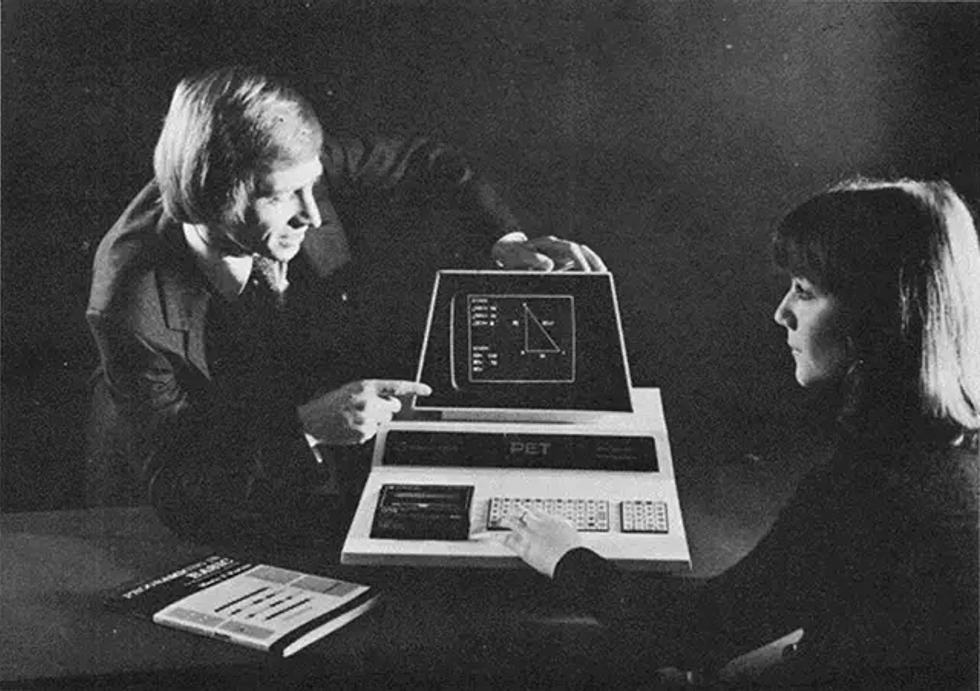
The Commodore PET: when computers were serious business
Introduced in 1977, the Commodore PET was one of the first serious attempts to turn the computer into something usable outside specialist environments. Its compact design, with integrated monitor and cassette recorder, made it ready to use immediately — a revolutionary feature at the time.
Its spread was especially significant in education, particularly in the United States and the United Kingdom, where it was adopted as a tool for teaching programming. In Italy its presence was more limited, but still meaningful in the first school computer labs.
Gaming remained marginal, but that more “serious” dimension helped connect the PET with learning, programming and experimentation.
VIC-20: the computer enters the living room
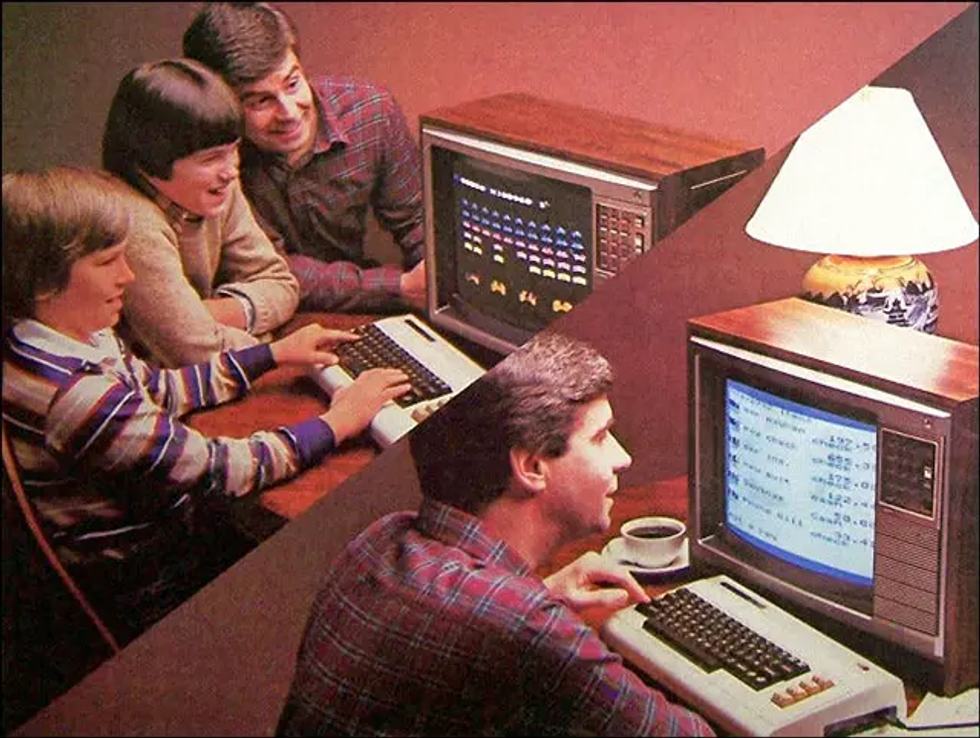
With the VIC-20, Commodore took a decisive step toward the mass market. Launched in 1980, it became the first computer to sell over one million units, thanks to an accessible price and an aggressive commercial strategy.
For many users, including in Italy, it represented the first real contact with home computing. Connected to the household television, simple to use and immediate, the VIC-20 managed to turn the computer into a familiar object.
It was with this machine that the computer also entered the world of home entertainment, opening the way to a more immediate and accessible kind of use.
Commodore 16: affordable, but out of time
The Commodore 16 arrived in 1984 with the aim of covering the low-cost segment of the market and replacing the VIC-20. On paper it introduced interesting improvements, especially in graphics and BASIC, but it ran into a difficult reality: the now unchallenged dominance of the Commodore 64.
The lack of compatibility with C64 software proved to be a serious limitation, drastically reducing developer support. Even so, in Europe, and particularly in Italy, the C16 managed to carve out an important space, often becoming the first computer for many young users.
Gaming was still present, especially in Europe, but without reaching the variety and popularity of its bigger brother.


Commodore 128: the misunderstood giant
In 1985, Commodore introduced the Commodore 128, a technically advanced machine full of potential, designed to be both an evolution of the C64 and a bridge toward more professional use.
Compatible with the Commodore 64, but equipped with 128 KB of RAM, an 80-column mode and a much more advanced BASIC 7.0, the C128 could have become a new standard. However, most users continued to use it in C64 mode, while developers preferred not to abandon an already enormous installed base.
The result was a machine that was often underused, but which today is especially fascinating precisely because of its hybrid nature. In Italy it enjoyed a reasonable level of popularity, without ever matching the impact of the C64.
And perhaps this is the most interesting point: even when Commodore tried to propose an evolution, the heart of the home computing experience remained tied to the Commodore 64. It is that memory, more than the technical specification itself, that many still try to rediscover today. Even now, that period remains one of the most beloved among retrocomputing enthusiasts.
Those who want to reconnect with the Commodore world without recovering original hardware can find in modern C64 replicas a simple and immediate entry point, while keeping in mind that this is a different experience from the historic machines discussed in this article.
Games and software: creativity beyond the limits
The software landscape of these machines perfectly reflects their limits and ambitions. On the Commodore PET, games were often an extension of learning: BASIC programs typed in manually and small interactive experiences that were more educational than spectacular.
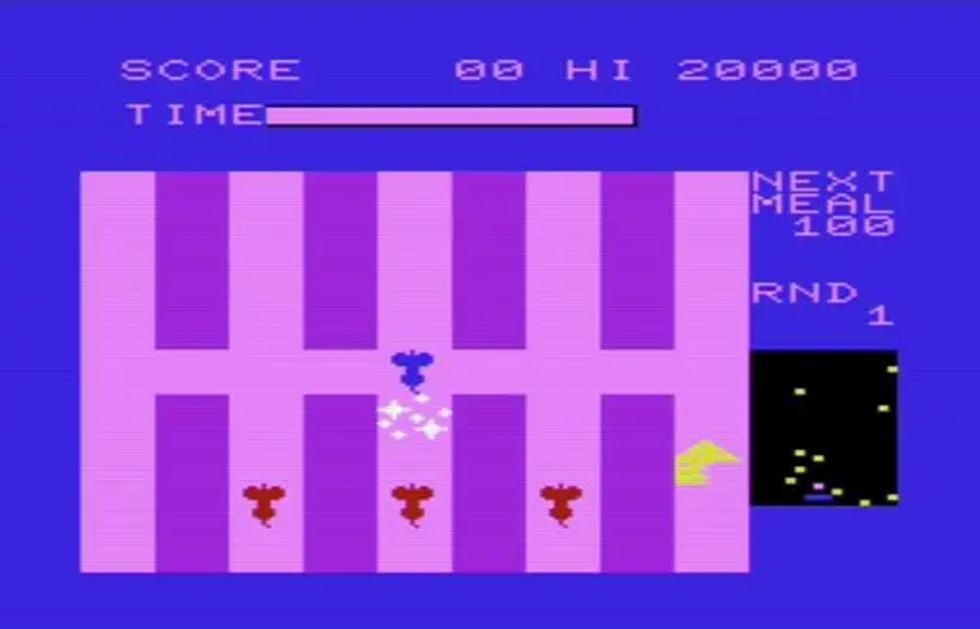
With the VIC-20, however, video games took on a central role. Despite its limited memory, titles such as Gorf, Jupiter Lander and Radar Rat Race showed how developer creativity could compensate for hardware limitations.
The Commodore 16 continued along similar lines, with a smaller but still interesting library, while the Commodore 128 lived through a particular situation in which most games were used in C64 mode, limiting the development of truly dedicated titles.
More than for individual masterpieces, these machines should be remembered for having shaped a generation of users who learned not only to play, but also to create.
A more important legacy than it may seem
The Commodore PET, VIC-20, Commodore 16 and Commodore 128 represent four different approaches to the same goal: making the computer increasingly accessible. Each of them helped build the foundations on which the Commodore 64 and the Amiga would later develop, influencing not only the market, but also the way people related to technology.
Rediscovering them today means better understanding a period of great experimentation, when every new machine had the potential to change the rules of the game.
Reader memories
Comments, memories and points of view stay here, beside the article.
Comment rulesLog in or register to leave a comment.
Leave a comment
Create your account
Loading comments...