
Animation, Anime and Cartoons
Disney, American cartoons, anime, giant robots, Pokémon and Cuphead: how animation became playable and video games began influencing it in return.



Retro-Gamers.it features explore the people, studios and turning points that shaped video game culture. We reconstruct the development of series, genres and technologies through sources, first-hand accounts and historical context, including stories often overlooked by mainstream histories. From major industry figures to creative scenes built around consoles and home computers, each article examines the medium with attention to memory, cultural relevance and lasting influence.
28 contents available Disney, American cartoons, anime, giant robots, Pokémon and Cuphead: how animation became playable and video games began influencing it in return.

We tested GPTZero on Shakespeare, Dante, human-written texts, translations and interviews. What can an AI detector really tell us about authorship?

From X-Men and Simulmondo to Dragon Ball, Comix Zone and XIII: the long relationship between comics, manga and video games, from the printed page to gameplay.

What happens when the past becomes playable? From Civilization and North & South to Assassin’s Creed, Red Dead Redemption 2 and God of War.
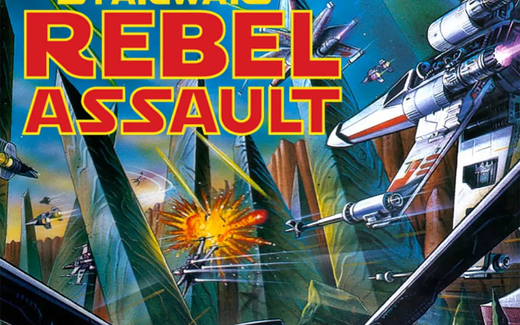
Rebel Assault helped sell the multimedia PC by turning CD-ROM storage, sound, digitised footage and pre-rendered spectacle into the experience itself.
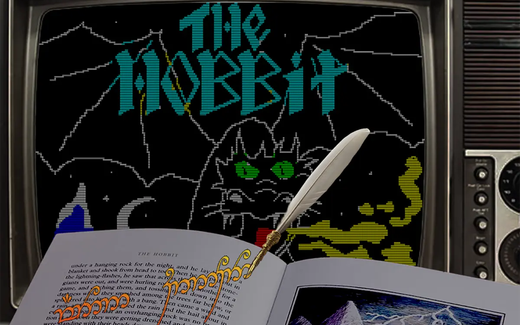
What remains of a book when its pages become worlds, actions and decisions? From The Hobbit to The Witcher, literature changes shape when the player steps inside.

The generation that grew up defending computers and video games now risks judging AI with the same old prejudices. A personal reflection on creativity, access and responsibility.
How classic games become a shared language across generations, countries and communities through memories, discussions and personal experiences.
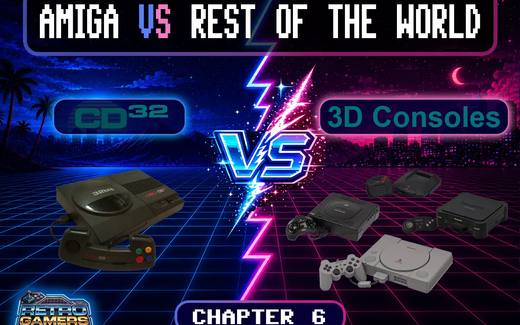
In 1993, Commodore turned the Amiga 1200 into a console. CD32 had CD-ROM, AGA and Akiko, but it was born old in the face of the new generation.
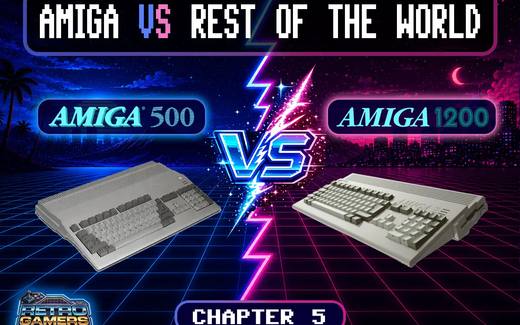
Faster, more colourful and more expandable, the Amiga 1200 surpassed the 500 in almost every respect. But in 1992, a better Amiga was no longer enough.
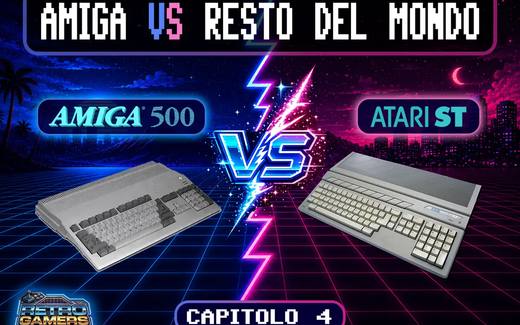
The Atari ST was the Amiga’s closest rival: same Motorola 68000, same European market, but two very different hardware philosophies.

Arcade conversions on Amiga were often painful, but not always. From Capcom disasters to successful ports, all the way to the unreleased Snow Bros.

The third chapter of Amiga vs the Rest of the World looks at the myth of the Sharp X68000 as “the Japanese Amiga”: Capcom arcade ports, U.S. Gold, Workbench, Human68k, demo scene and two very different computer cultures.
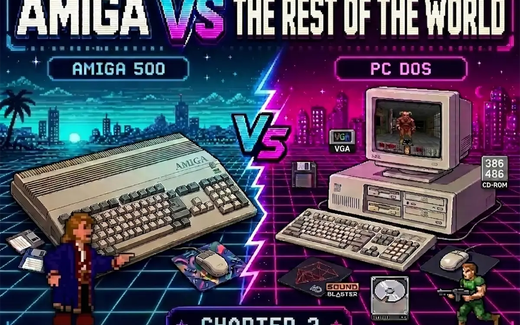
The second chapter of “Amiga vs the Rest of the World” tells the moment when PC DOS stopped chasing: VGA, Sound Blaster, hard drives, 386, 486, LucasArts, arcade conversions and Doom changed the balance.
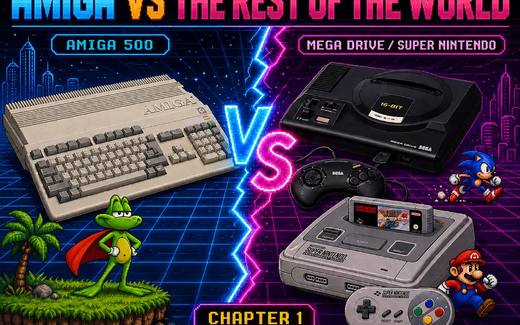
A 1990s comparison between Amiga, Mega Drive and Super Nintendo without console wars: three different machines, from floppy disks and sprites to audio, pads and home creativity.

From Lucasfilm Games to Monkey Island, Indiana Jones, Day of the Tentacle and Grim Fandango: the story of the adventures that defined an era.

Before games explained everything on screen, manuals, maps, comics and paper inserts were part of the experience: objects to read, study, smell, damage, lose and remember.

From Manfred Trenz on Commodore 64 to Factor 5, Chris Hülsbeck, Mega Turrican and the Super Nintendo chapters: the story of a saga that turned home computer limits into legend.

Classic Star Wars games still matter because they turned the films into playable fantasies across arcades, home computers, consoles and online worlds.

From his early years at Konami to Metal Gear, from Snatcher and Policenauts to the break with the traditional industry, and finally to the freedom of Kojima Productions: a journey through the work of one of gaming’s most recognizable auteurs.

Commodore’s decline was not a sudden collapse, but a slow loss of direction, made of missed opportunities and choices that were never truly decisive — while the Amiga continued to be loved.

The Amiga demoscene: when code became art and pushed computers beyond every limit.

The less celebrated Commodore machines that helped build the foundations of home computing.

Two unreleased architectures that still represent the Amiga future Commodore never managed to deliver.
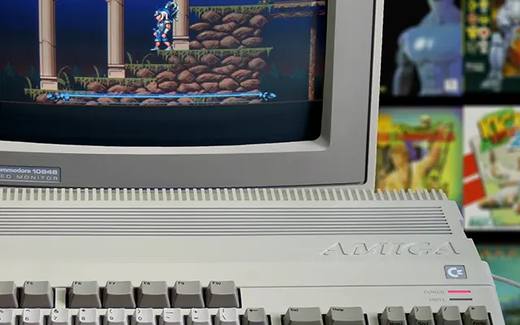
Amiga arrived with graphics, audio and multitasking that were far beyond what most people expected at the time: a machine projected into the future, but placed in the hands of a company that never fully understood what it had.
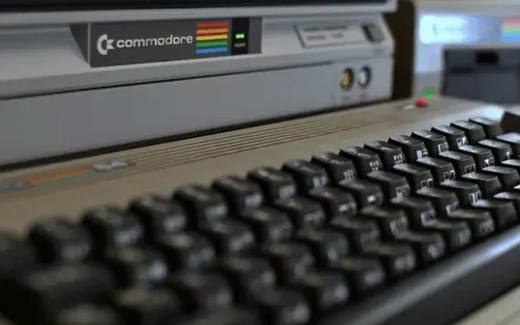
With the Commodore 64, the computer truly entered the home: a games machine, a tool for discovery and a symbol of an entire generation.
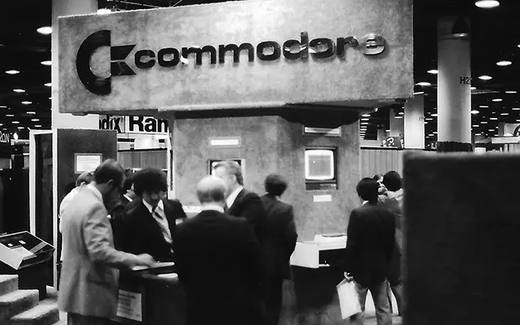
Before the Commodore 64 became a legend, Commodore had already changed its own destiny: from typewriters and calculators to the first personal computers.
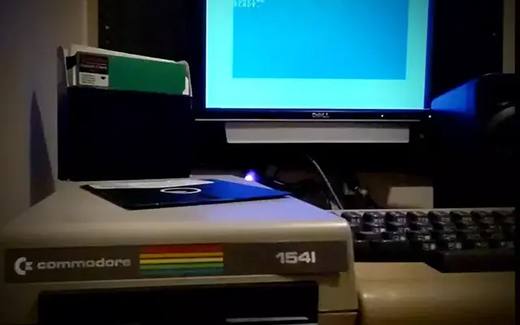
A technical and historical look at the Commodore 1541 and 1571, between serial bus limits, high expectations, Datasette comparisons and the clever tricks that made floppy loading faster.
Try changing or resetting the selected filters.