


The earliest forms of cinematic animation predate television by many years. In 1908, French director Émile Cohl created Fantasmagorie, considered one of the earliest major examples of hand-drawn animation. Twenty years later, in the United States, Walt Disney released Steamboat Willie in cinemas, the first Mickey Mouse short to receive an official release. Plane Crazy and The Gallopin' Gaucho had actually been made earlier, but it was Steamboat Willie, also thanks to its use of synchronised sound, that introduced Mickey to a mass audience. Disney would later play a fundamental role in the development of animated films and, later still, the animated series that would also reach television.
Unlike what we saw with comics, movement already exists in animated films. The viewer does not have to imagine how a character moves or how an action unfolds. This was certainly an advantage for video games, but reproducing those movements and turning them into something playable was far from easy. Not every licence was used well. In fact, many games based on animated films were failures, while others that simply took inspiration from animation achieved much better results.
Disney and its characters in video games
As already mentioned, Disney inspired many video games, particularly with the rise of 8-bit computers and consoles.
In 1990 Sega brought Mickey Mouse to the Mega Drive with Castle of Illusion. Different versions for Master System and Game Gear followed the next year. In this original adventure, Mickey had to face the witch Mizrabel, who had kidnapped Minnie. The Disney imagery is immediately recognisable, especially in the 16-bit version. Mickey moves through traditional platform levels, giving the player a thoroughly enjoyable experience.
One year later, in 1991, Donald Duck arrived on Sega's 16-bit console with QuackShot. Once again, platforming formed the basis of the game, a genre that seemed to suit the Disney universe better than almost any other, as we will see.
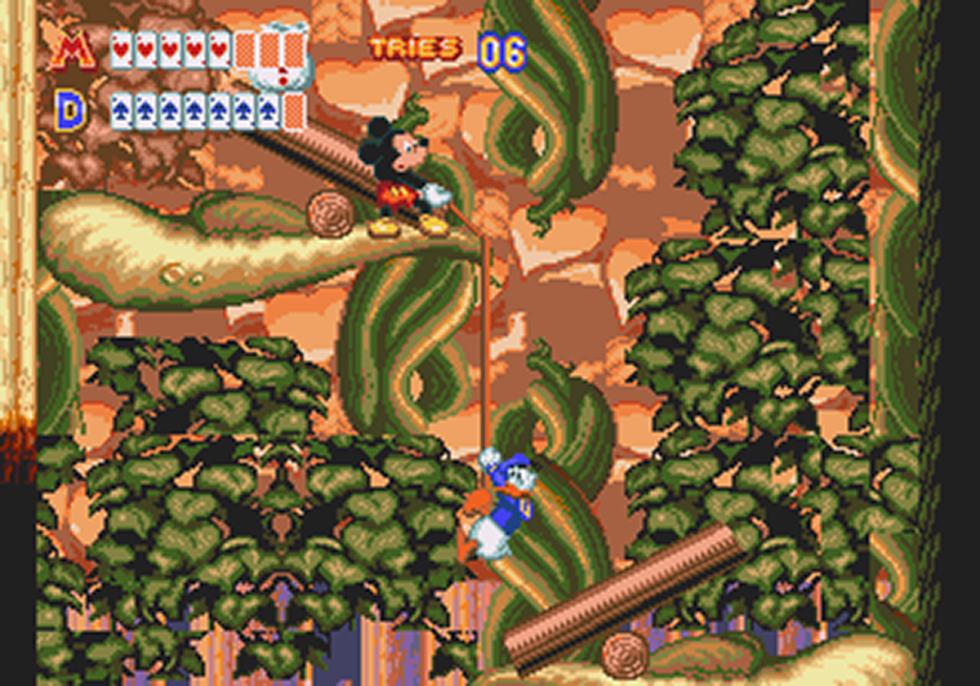
World of Illusion brought together the two characters we had previously seen separately. Here, cooperation between Mickey and Donald was fundamental, while the clumsiness of the likeable and proverbially unlucky duck emerged through a series of hilarious gags throughout the adventure.
In 1993 Capcom experimented with a different genre. This time Goofy and Max were the protagonists of Goof Troop on Super Nintendo, an action-adventure in which puzzles and cooperation played a fundamental role.
Traveller's Tales took us through Mickey's history with 1994's Mickey Mania, beginning with his origins in Steamboat Willie before moving through The Mad Doctor, Lonesome Ghosts and other incarnations, all within a traditional platform game. It was released for Mega Drive, Super Nintendo and Mega CD, and was later brought to Sony PlayStation as Mickey's Wild Adventure, marking Mickey's arrival in the 32-bit era. The game was well received, particularly for the way it recreated Disney's classic animated shorts.
Maui Mallard was another curious case, and one of the first titles developed internally by Disney Interactive. Donald Duck was reinterpreted by Disney itself through a new identity: Maui Mallard, a detective who could transform into the ninja Cold Shadow.
DuckTales appeared on Amiga with The Quest for Gold. Developed by Incredible Technologies and distributed in Europe by Titus Software, the game mixed several genres, from platforming to action, all tied together by a management component. Scrooge McDuck and his nephews travelled around the world trying to accumulate as much wealth as possible and maintain Scrooge's status as the richest duck in the world, beating his rival Flintheart Glomgold. On NES and Game Boy, Capcom instead created a completely different platform game, which was very well received and became one of the most highly regarded games based on the animated series.
Gargoyles on Mega Drive is another interesting case. The platform game arrived on Sega's console in 1995 with impressive graphics. It remained exclusive to the North American market and was never released in Europe. Players controlled Goliath, with particularly well-crafted animations helping to bring the character to life.
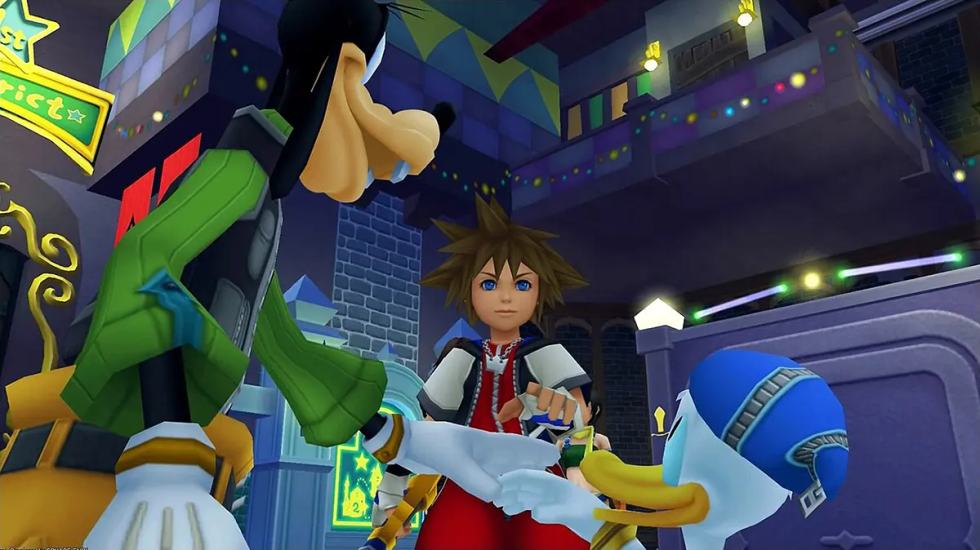
In 2002, the relationship between Disney and video games took another step forward with Kingdom Hearts. Developed by Square for PlayStation 2, it brought together original characters, protagonists from Final Fantasy and numerous Disney elements inside a fantasy universe, moving away from the traditional platform game towards the action RPG. The game was enormously successful and the series continues to this day.
Disney and its animated films
Many of the video games inspired by Disney animated films arrived between the 1980s and the end of the 1990s, during the height of the 16 and 32-bit eras.
In 1992, Aladdin was released in cinemas around the world. One year later, Virgin Games brought it to the Sega Mega Drive. Personally, it remains one of my favourite platform games of all time. The game faithfully reproduced the animations, locations and characters seen in the film. Aladdin was superbly animated and, despite the Sega console displaying only 64 colours simultaneously, the backgrounds were beautifully drawn and coloured. It was one of the most successful adaptations ever seen on a gaming platform, and never mind if controlling the main character was not always perfect.
An Amiga 1200 conversion was also produced, although some sections were missing and the graphics had a few rough edges. On Super Nintendo, Capcom took a different approach. It was a less frantic, more considered platform game, certainly more colourful, but also less faithful to the cinematic animation style of Virgin's version.


Two different interpretations of the same film: Virgin Games' Aladdin on Mega Drive and Capcom's Super Nintendo version.
In 1994 it was the turn of The Lion King. This time the main console and computer versions were developed by Westwood Studios and published by Virgin Interactive. Once again, the graphics closely resembled the film, but the gameplay was far from perfect. Moving Simba through the different environments could feel cumbersome, and some sections were particularly difficult.
That same year The Jungle Book was released, again under the Virgin label and inspired by the 1967 film. The different versions were not identical and involved different development teams, but the result confirmed how strong the relationship between Disney and Virgin had become. Even old Disney classics could now be brought back and turned into video games decades after their original cinema release.
Pocahontas arrived on Mega Drive in 1996. Developed by Funcom for Disney Interactive, it was a slower platform game than the previous titles. The player controlled both Pocahontas and Meeko, and by helping animals encountered during the adventure could acquire new abilities connected to their spirits. The result was a slower-paced game based partly on exploration and small puzzles. It was not exceptionally well received, but it represented an interesting attempt to adapt the film without simply turning it into yet another action platformer.
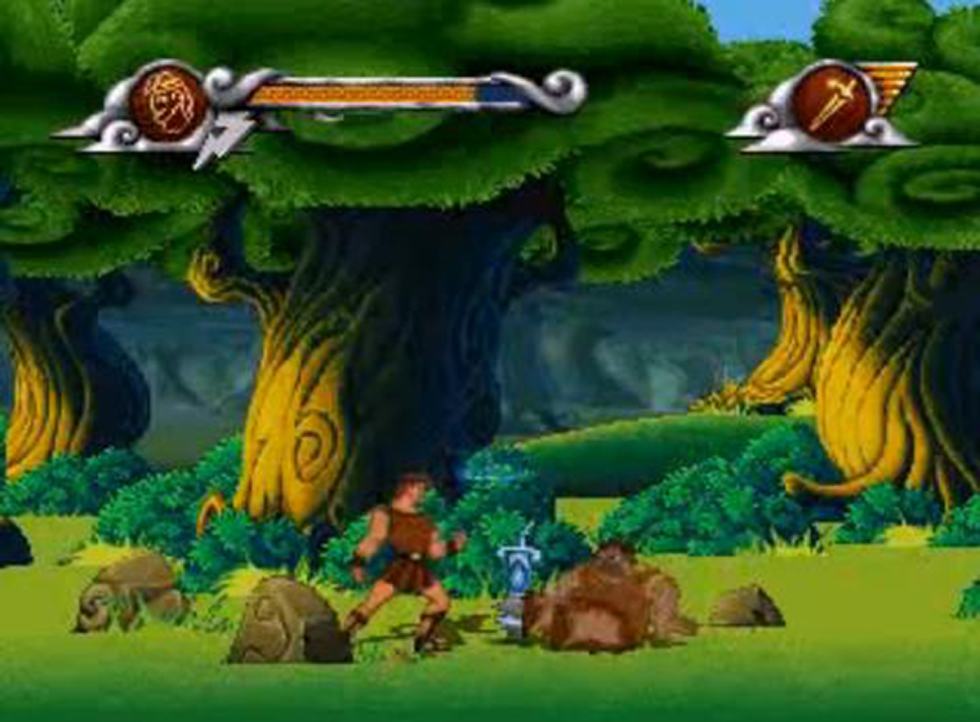
The move to 32-bit was marked by Hercules on PlayStation and PC. Two-dimensional graphics were mixed with polygonal elements and environments. Audio, clips from the film and smoother animations brought the experience increasingly close to the feature film. In terms of gameplay, the greater power of the new platforms also gave developers new possibilities, allowing movement across multiple planes and sections using different perspectives. The result was a platform game well worth playing.
If we have mainly talked about licences that were handled well so far, Fantasia on Mega Drive reminds us that having Mickey Mouse as the main character was not automatically enough to make a good video game. Quite the opposite. Infogrames created a game that looked beautiful, but the gameplay was disastrous. It would be remembered more as a graphical showcase than as a good video game.
Toy Story reached cinemas in 1995. It was Pixar's first feature film and was distributed by Disney. For video game players, it represents a particularly interesting case. The animation had already been created using computer graphics, but the consoles of the time were obviously unable to reproduce its visual splendour. Traveller's Tales nevertheless produced a technically impressive platform game. Woody, Buzz and their companions were recreated using pre-rendered graphics that pushed the 16-bit consoles hard. Unfortunately, the gameplay and poorly balanced difficulty prevented it from becoming a masterpiece worthy of the animated film.
American animation, TV series and films
In 1982 Nintendo brought Popeye and his cast of characters into arcades. Popeye had actually originated in comics, but by then he was also extremely well known through animated shorts. The graphics of the period could not provide truly faithful recreations of a cartoon, but the characters were recognisable and well characterised. Popeye had to deal with Bluto, collect hearts, musical notes and letters thrown by Olive Oyl and, of course, eat spinach to become strong enough to face his rival.
The Looney Tunes certainly provided plenty of characters that could work in video games. Road Runner, Bugs Bunny and Daffy Duck brought with them a style of comedy built around anvils, dynamite, traps and endless chases.
Tom & Jerry is an animated series whose basic structure already resembles a video game. Tom chases Jerry, Jerry builds traps to defend himself, and Tom suffers the consequences. There were several adaptations for computers and consoles, many of them far from memorable.
The Mega Drive version of Scooby-Doo Mystery, released in 1995, brought the graphic adventure to Sega's console. The cartoon itself naturally offered the kind of actions suited to the genre: investigating, exploring, searching for clues and solving mysteries.
The Flintstones made their Super Nintendo debut in 1994 with The Treasure of Sierra Madrock. Taito created a platform game with elements inspired by board games and several minigames.
The Simpsons first appeared on American television in 1987 as part of The Tracey Ullman Show. The series itself debuted in 1989 and arrived on Italian television in 1991. One of the longest-running and most beloved TV series in the Western world could hardly avoid getting its own video game.
Among the very few original Amiga games I owned was Bart vs. the Space Mutants. It was a modest platform game developed by Ocean Software, yet there is something that still makes me remember it today. The first time I inserted the first disk into the drive of my Amiga 500 Plus, a long animated intro began. From that moment I was fascinated by how naturally Bart moved, climbing down from his treehouse, grabbing his skateboard and setting off to save the world from an alien invasion. One of the finest and most successful introductions I ever saw on a Commodore machine.


The long Bart vs. the Space Mutants intro on Amiga, from the dedicated intro disk to Bart setting off to stop the alien invasion.
Ocean also developed a Super Nintendo game based on another much-loved franchise. The Addams Family: Pugsley's Scavenger Hunt was a colourful and entertaining platform game inspired by the Hanna-Barbera animated series.
Biker Mice from Mars, with its three anthropomorphic Martian mice obsessed with motorcycles, allowed Konami to move away from platform games and create an isometric racing game that entertained many Super Nintendo owners.
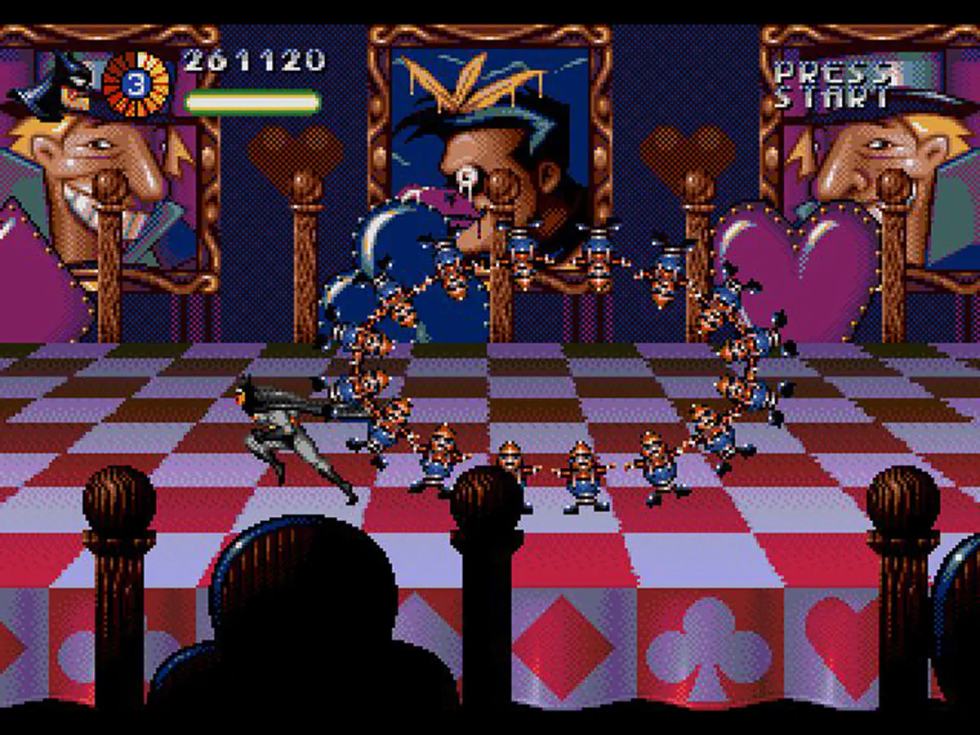
Batman is certainly a character we will encounter many times throughout this series. He can belong to comics, cartoons, television or cinema. The Adventures of Batman & Robin presents the Dark Knight in his animated incarnation. Konami developed the Super Nintendo version, while Clockwork Tortoise handled the Mega Drive game, one of the most graphically impressive titles released for Sega's console.
Finally, the Teenage Mutant Ninja Turtles deserve an honourable mention. Once again it was Konami that brought them to arcades and consoles. Although the Turtles originated in comics, the famous 1989 beat 'em up clearly took its inspiration from the animated series that had debuted two years earlier.
Japanese anime
We could probably devote an entire chapter to this subject and it still would not be enough. Many of the most important consoles of those years came from Japan, just like manga and anime. The meeting between these worlds was almost inevitable. Animation, framing and voices were all elements already available to developers, whose job was to adapt them as effectively as possible to the capabilities of each platform and turn them into something playable.
With the spectacular nature of its battles, Dragon Ball was ideally suited to a fighting game. Series such as Capcom's Street Fighter had already shown the way. The task was to adapt that formula to the characters and battles imagined by Akira Toriyama.
Captain Tsubasa brought the spectacular and completely unrealistic football of the anime to Japanese consoles. Anyone looking for a simulation had to go elsewhere. Here the stars of the show were spectacular sequences, impossible leaps and shots that ignored every law of physics.
Last Battle on Mega Drive was derived from Hokuto no Ken, better known internationally as Fist of the North Star. For the Western version, however, Sega removed the licence and changed the characters, names and some of the violence from the original Japanese game. Kenshiro was still almost perfect for video games. He could work equally well in a one-on-one fighting game or in a story-driven beat 'em up.
The boldest experiment surely came with Fighting Mania, an arcade machine produced by Konami in 2000. Here the player literally had to punch six mechanical targets that emerged from the sides of the screen. The involvement therefore became physical too, forcing players to manage their strength if they did not want to exhaust themselves too soon.
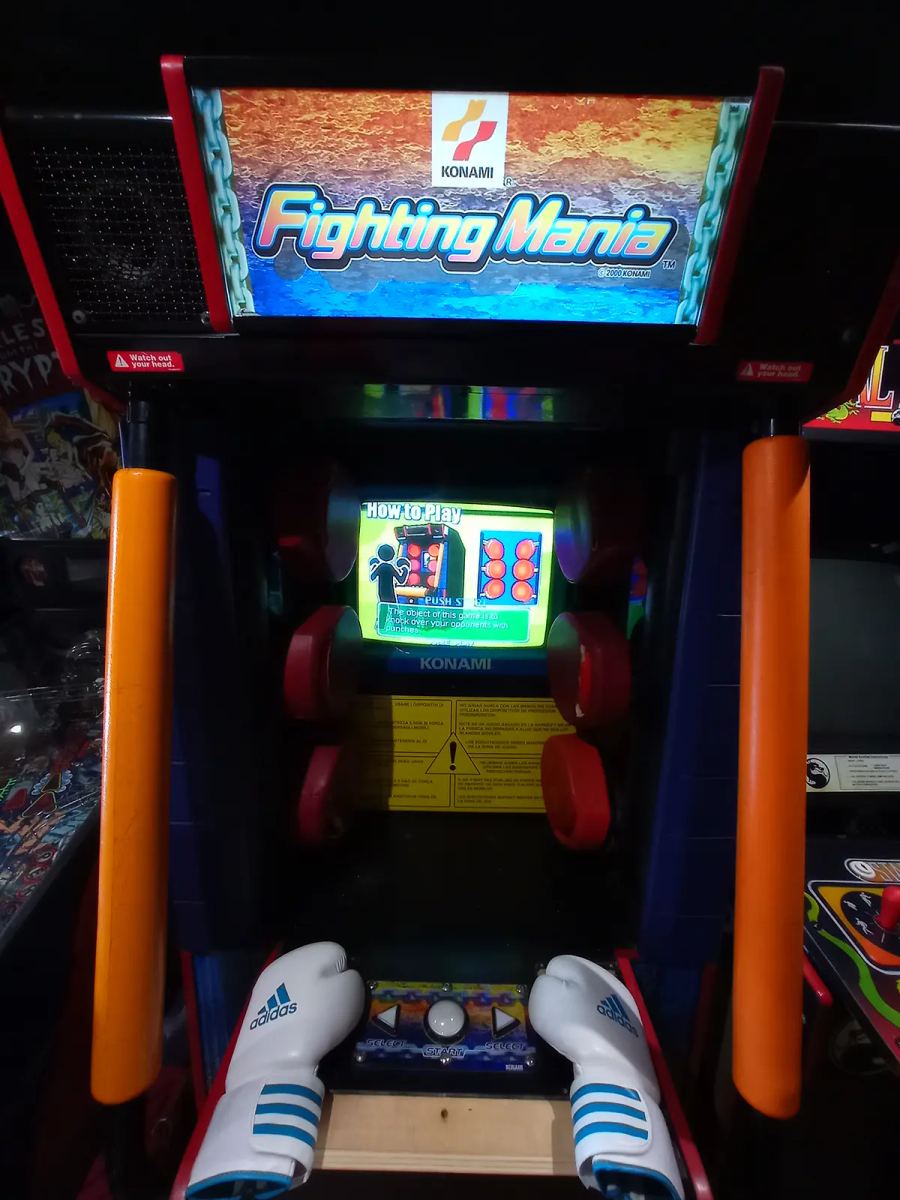
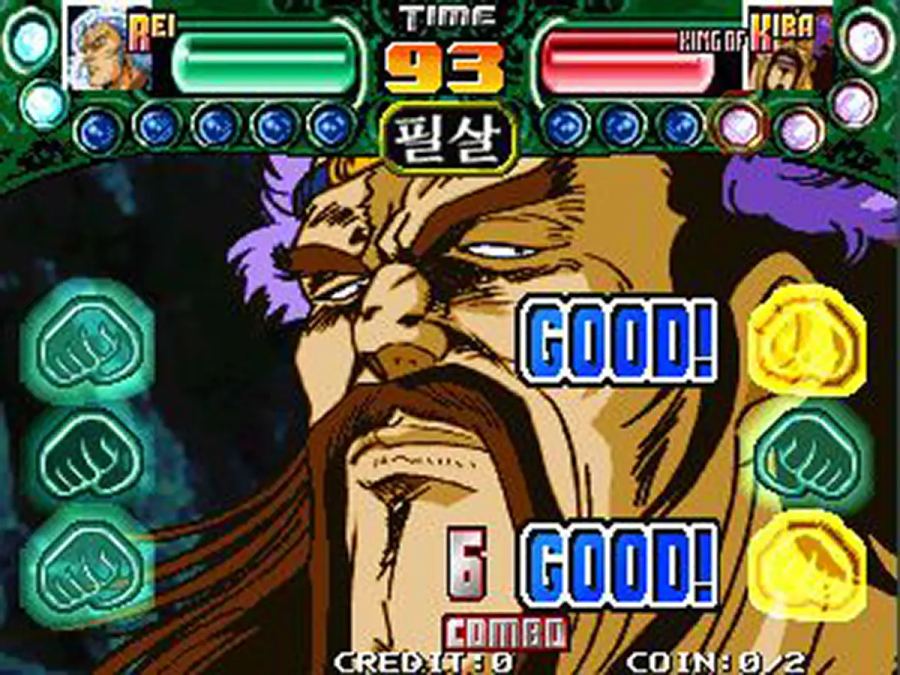
Fighting Mania brought Kenshiro's fights beyond the screen: players had to physically punch the cabinet's targets.
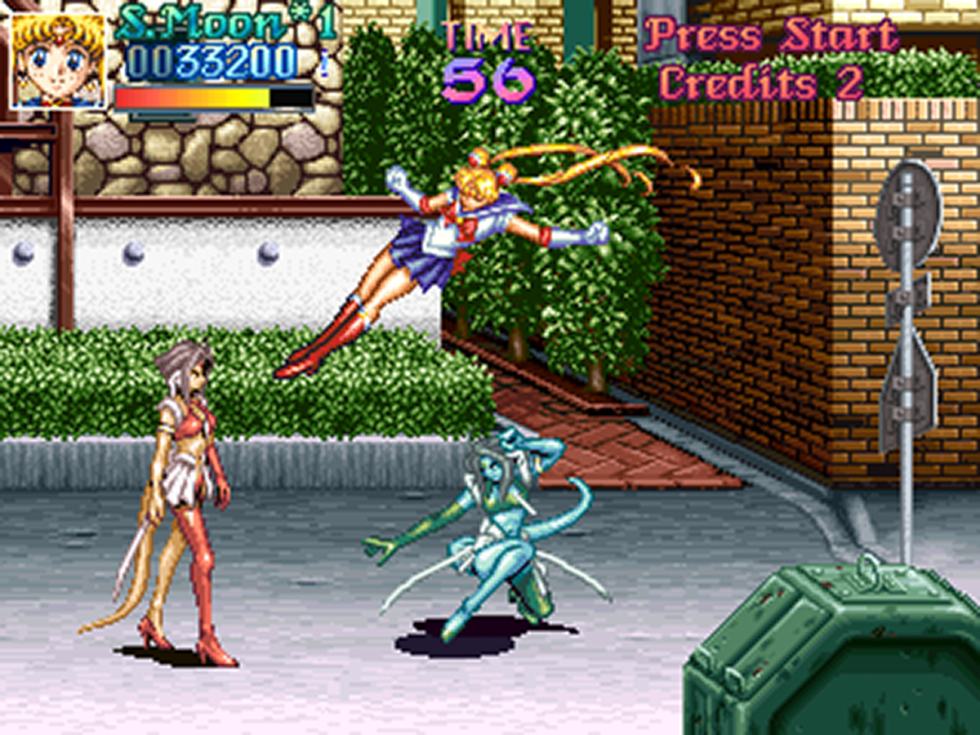
Pretty Soldier Sailor Moon reached arcades in 1995, bringing Naoko Takeuchi's sailor-suited fighters into a colourful and enjoyable beat 'em up. Home consoles also received several adaptations of the series, including games for Super Nintendo and Mega Drive.
Doraemon, the likeable earless robot cat from the future, also received numerous video game adaptations, especially on Japanese systems. Hudson Soft had already released a Famicom game based on the character in 1986, followed by many other productions for different consoles over the years.
Lupin III, on the other hand, was not particularly fortunate when it came to memorable games. Perhaps the nature of his adventures was less suited to the most common gaming formulas of the period. Lupin Sansei: Densetsu no Hihō o Oe!, released for Super Famicom in 1994 and based on the characters and universe of the series, is nevertheless worth mentioning.
Naruto can be considered a natural evolution of the games dedicated to Dragon Ball. It was a more modern series that found plenty of space during the PlayStation 2 generation. Special techniques, cinematic attacks, effects and arenas could now be reproduced on our screens with increasingly greater fidelity to the animated series.
Works such as Ghost in the Shell were also translated into bits. The 1997 PlayStation game developed by Exact was not a direct adaptation of Mamoru Oshii's film, but a new story set within the same universe. It was a shooter that borrowed the cyberpunk atmosphere of the work and included original animated sequences created specifically for the game by Production I.G.
Another ambitious adaptation was developed for Amiga by ICE Software in 1994. It was Akira, one of the clearest examples of how an important licence could be wasted. The game is remembered as one of the weakest titles released for Commodore's platform.
This last example helps us dismantle a belief that was fairly widespread among developers at the time, namely that a prestigious licence alone would be enough to guarantee a game's success. Not a chance.
Japanese giant robots on our screens
From 1978 onwards, UFO Robot Goldrake, the Italian title of UFO Robot Grendizer, kept an entire generation of Italian children glued to their televisions. Just reading the name probably made many Italian readers start singing its famous theme tune in their heads. Expectations for a video game based on such a beloved robot were understandably enormous, but its video game adaptations were hardly memorable.
Mazinger Z, published by Banpresto as an arcade game in 1994, allowed players to choose their alter ego from a roster including Mazinger Z, Great Mazinger and Grendizer. The game, however, failed to live up to the fame of its characters and received a rather lukewarm critical response.
In 1993, WinkySoft's Macross: Scrambled Valkyrie brought the Macross universe to Super Famicom exclusively in Japan. Music and robot transformations were taken directly from the anime, resulting in an excellent shoot 'em up.
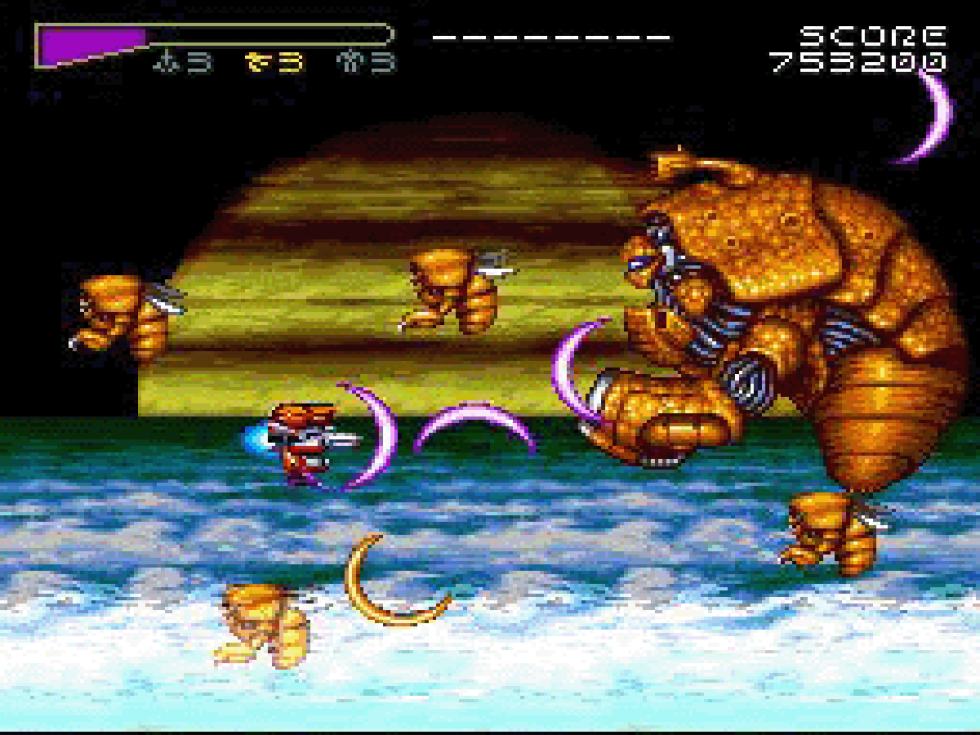
With the arrival of 3D graphics, one of the major innovations of the 32-bit consoles, players could literally be placed inside a robot's cockpit and experience its battles from a first-person perspective. This was the case with Mobile Suit Gundam, developed by BEC and published by Bandai for PlayStation in 1995. The player took the role of Amuro Ray and fought directly from inside the RX-78 in a classic 3D shooter.
Evangelion arrived on Sega Saturn in 1996 thanks to Sega's internal AM2 team. It was practically an unreleased episode of the anime, with its own original story and animated scenes created specifically for the game. Nintendo 64 followed in 1999. Here the approach was more action-oriented and the graphics were increasingly close to the animated series, but the game was also criticised for its limited interactivity.
And here the paradox became obvious. The search for greater fidelity to the anime ended up giving players less freedom, creating the unpleasant sensation of being in front of an interactive movie rather than a video game.
In 1991 Banpresto made Japanese robot fans very happy. Super Robot Taisen on Game Boy brought franchises such as Gundam, Mazinger Z and Getter Robo together in a turn-based strategy game. The series became highly successful and continues to this day. In 2025, Super Robot Wars Y arrived on PlayStation 5, Nintendo Switch and PC.
Pokémon and Cuphead: when animation follows the video game
So far we have looked at video games inspired by animation. With Pokémon and Cuphead, however, the direction changes. In the first case, a video game created a cycle in which games and anime continue to feed one another. In the second, a video game deeply inspired by classic cartoons eventually became an animated series itself.
Pokémon began in 1996 as a pair of video games published by Nintendo for Game Boy. Its name comes from Pocket Monsters, and the idea was also inspired by Satoshi Tajiri's childhood passion for collecting insects. Its success in Japan led to the animated series in 1997, which contributed enormously to the phenomenon's subsequent worldwide expansion. Pikachu, Ash and the other characters became familiar even to people who had never owned a Game Boy.
Many years later, Pokémon GO would take the hunt for monsters beyond the screen and into the streets of our cities. There is little doubt that Pokémon became a genuine social phenomenon, one in which video games and animation continue to exchange roles with remarkable ease.
Cuphead was released in 2017 by Studio MDHR for Xbox One and Windows. It was a run and gun with strong platform elements, starring Cuphead and Mugman, two anthropomorphic brothers with cups for heads. Visually, it openly recalled cartoons of the 1930s, from Betty Boop to Popeye, using hand-drawn animation, watercolour backgrounds and a jazz soundtrack.
Despite its extreme difficulty, the game was highly successful and, after debuting on Microsoft platforms, eventually reached Nintendo Switch and PlayStation 4.
In 2022 the journey came full circle with The Cuphead Show!, an animated Netflix series based directly on the video game. That same year also saw the release of The Delicious Last Course expansion. The path taken by Cuphead is particularly curious: it began by borrowing the language of classic cartoons and, after becoming a successful video game, ended up becoming a cartoon itself.
Two very different games, but two examples of how closely video games and animation can influence one another in both directions.
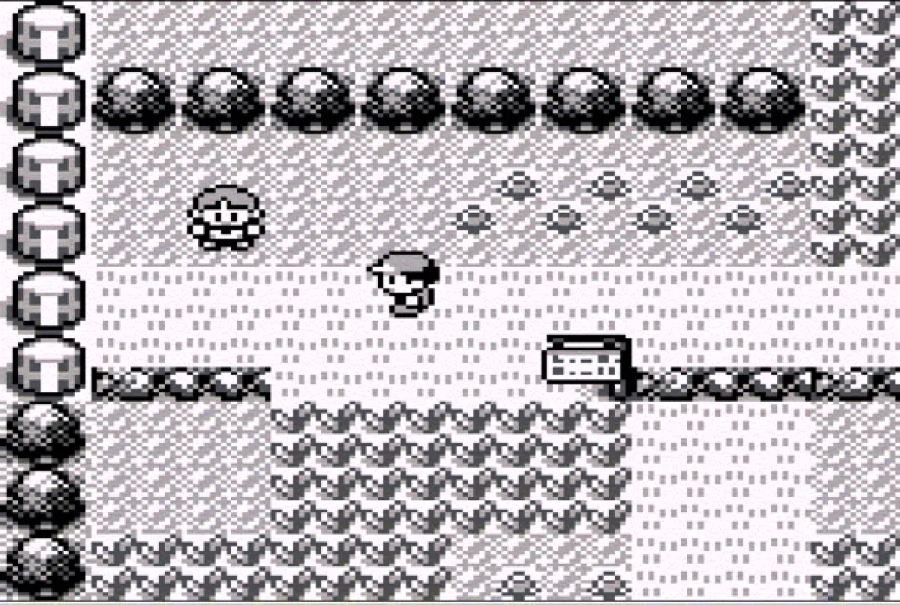
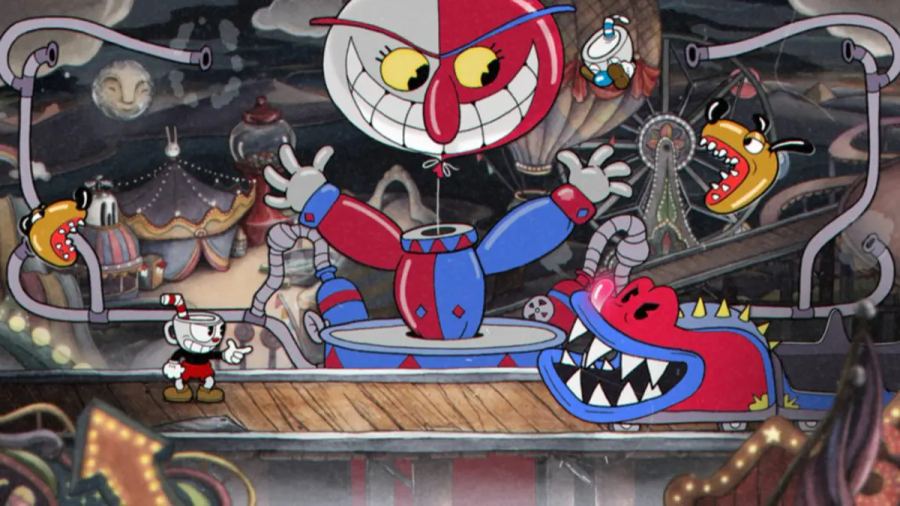
Two opposite paths: Pokémon began as a video game and became an anime, while Cuphead absorbed the language of cartoons before becoming an animated series itself.
Animation as a common element
With comics, we saw how developers had to give movement to characters and panels that had already been drawn. In animation, that movement already existed. The problem this time was finding a way to make it playable.
Disney offered immediately recognisable characters whose movement had already been defined. Anime added spectacular battles, transformations, impossible shots and robots to pilot. American cartoons had chases, gags and situations that often already looked ready to become gameplay mechanics.
The transition did not always work. Some games successfully recreated what we saw at the cinema or on television, while others did little more than put a famous licence on the box.
In front of the television we could watch Mickey Mouse move, Goku fight epic battles or Kenshiro engage in furious combat. With a joystick in our hands, we could finally decide how and when they did it.
Reader memories
Comment on the article and join the discussion.
Comment rulesLog in or register to leave a comment.
Create your account
Loading comments...