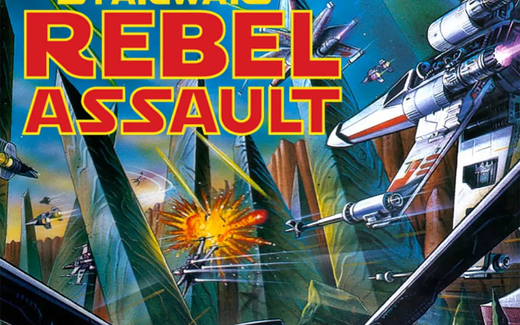
Star Wars: Rebel Assault, When CD-ROM Spectacle Became the Game
Rebel Assault helped sell the multimedia PC by turning CD-ROM storage, sound, digitised footage and pre-rendered spectacle into the experience itself.
All Retro-Gamers.it articles about gaming culture: reviews, features, guides, news and stories from the world of retro gaming.
19 contents available
Rebel Assault helped sell the multimedia PC by turning CD-ROM storage, sound, digitised footage and pre-rendered spectacle into the experience itself.
Dagli esperimenti di Lure of the Temptress alla costruzione di Broken Sword: Tony Warriner racconta la storia tecnica e umana di Revolution Software.
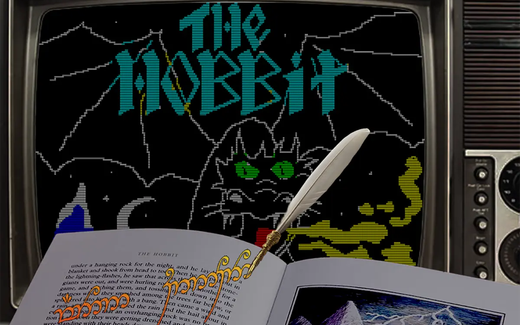
What remains of a book when its pages become worlds, actions and decisions? From The Hobbit to The Witcher, literature changes shape when the player steps inside.
The generation that grew up defending computers and video games now risks judging AI with the same old prejudices. A personal reflection on creativity, access and responsibility.
How classic games become a shared language across generations, countries and communities through memories, discussions and personal experiences.
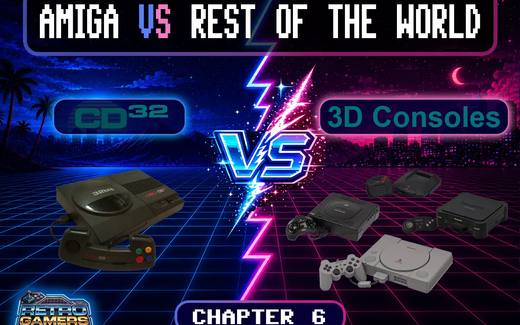
In 1993, Commodore turned the Amiga 1200 into a console. CD32 had CD-ROM, AGA and Akiko, but it was born old in the face of the new generation.
A direct, ironic and sometimes bitter conversation with Massimo Magnasciutti about Dynabyte, Nippon Safes Inc., Deluxe Paint, Donna Fatale and the difficult but unforgettable years of Italian adventure games.
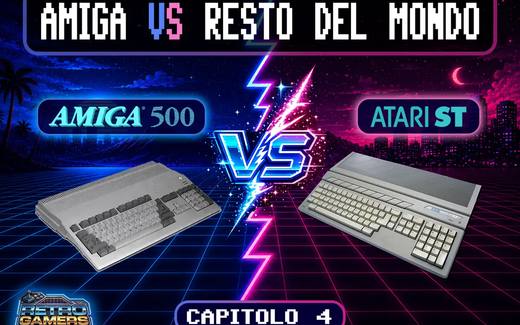
The Atari ST was the Amiga’s closest rival: same Motorola 68000, same European market, but two very different hardware philosophies.
Arcade conversions on Amiga were often painful, but not always. From Capcom disasters to successful ports, all the way to the unreleased Snow Bros.
The third chapter of Amiga vs the Rest of the World looks at the myth of the Sharp X68000 as “the Japanese Amiga”: Capcom arcade ports, U.S. Gold, Workbench, Human68k, demo scene and two very different computer cultures.
A short interview with David Perry, from Disney’s Aladdin and Earthworm Jim to Shiny Entertainment, Gaikai and new AI-driven creative tools.
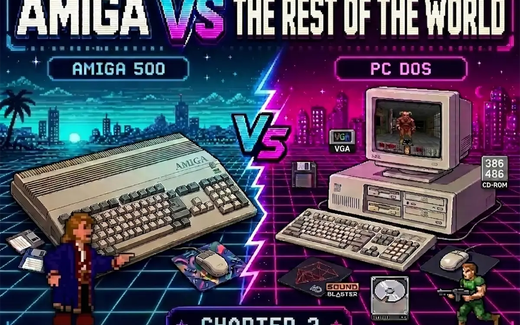
The second chapter of “Amiga vs the Rest of the World” tells the moment when PC DOS stopped chasing: VGA, Sound Blaster, hard drives, 386, 486, LucasArts, arcade conversions and Doom changed the balance.
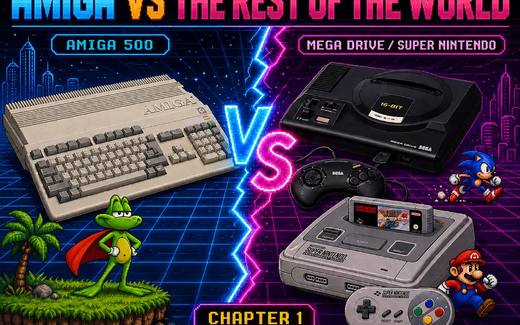
A 1990s comparison between Amiga, Mega Drive and Super Nintendo without console wars: three different machines, from floppy disks and sprites to audio, pads and home creativity.
From Maniac Mansion and Loom to Monkey Island and Grim Fandango: how LucasArts gave the adventure game its sharpest voice.
Before games explained everything on screen, manuals, maps, comics and paper inserts were part of the experience: objects to read, study, smell, damage, lose and remember.
From Manfred Trenz on Commodore 64 to Factor 5, Chris Hülsbeck, Mega Turrican and the Super Nintendo chapters: the story of a saga that turned home computer limits into legend.
Classic Star Wars games still matter because they turned the films into playable fantasies across arcades, home computers, consoles and online worlds.
From his early years at Konami to Metal Gear, from Snatcher and Policenauts to the break with the traditional industry, and finally to the freedom of Kojima Productions: a journey through the work of one of gaming’s most recognizable auteurs.
The recovery of the Sega Channel ROMs brings back one of the most fascinating chapters in video game preservation: SEGA imagined digital distribution long before the world was ready.
Try changing or resetting the selected filters.