



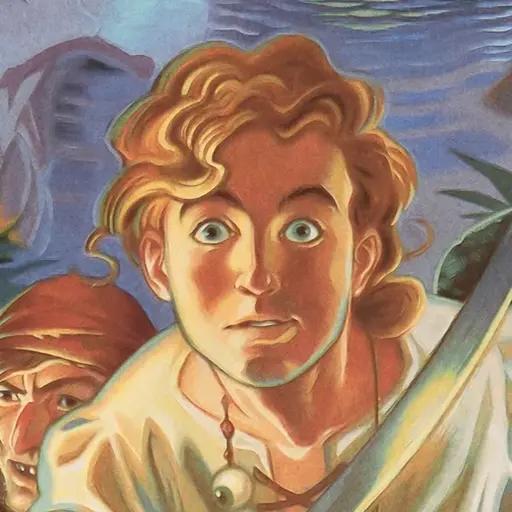
Some names move through very different eras of video games without being trapped inside a single image. David Perry is one of them. For many players who grew up in the 1990s, his name is closely tied to Disney’s Aladdin for Mega Drive/Genesis, Earthworm Jim and the creative years of Shiny Entertainment. But his career also goes beyond that period, from Gaikai to new ideas about AI and the future of entertainment.
After publishing the David Perry creator profile on Retro-Gamers.it, we asked him if he wanted to share a short direct memory about some key moments from his career. His answer became something more: a small testimony about animation, gameplay, creative freedom, technology and what may come next.
Below are David Perry’s answers.
Looking back at the 16-bit era, what do you remember most vividly about working on Disney’s Aladdin for Mega Drive/Genesis?
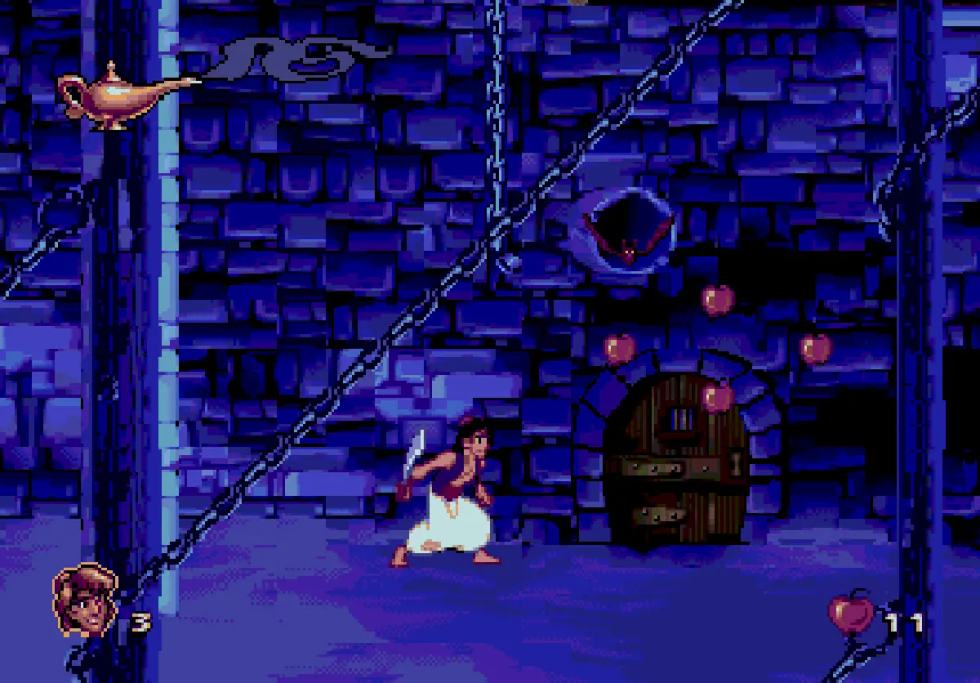
What I remember most vividly is the pressure of trying to make a game that felt worthy of the film. Disney animation had such life, personality, and timing, and we were trying to capture that magic inside a 16-bit cartridge. Seeing Aladdin move on the Mega Drive/Genesis with that much character was very exciting. It felt like we were helping prove that games could carry the spirit of animated films, not just borrow their characters.
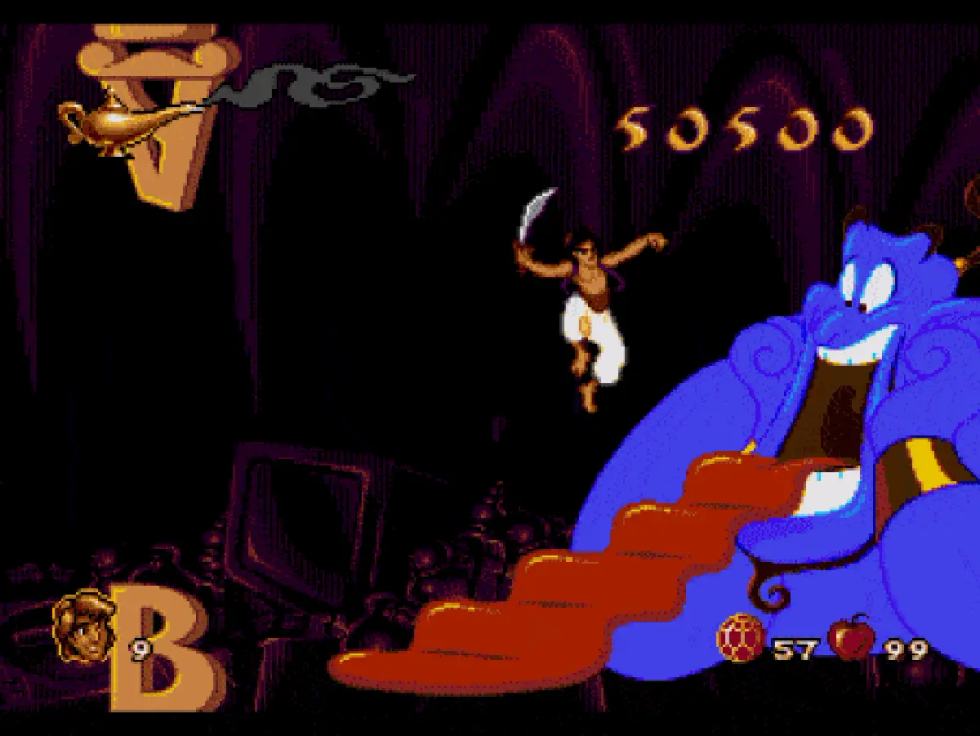
Aladdin is still remembered for how closely animation and gameplay seemed to work together. Was that the main challenge of the project?
Yes, absolutely. Animation and gameplay can fight each other. Animation wants beauty, fluidity, and timing. Gameplay wants instant response and clarity. The challenge was finding the balance, making Aladdin look like a Disney character while still making him feel good to control. Luckily we had an incredible animation director Mike Dietz to help make it possible.
Earthworm Jim had such a different energy: weird, funny, technically impressive and instantly recognizable. Did you feel, while making it, that it was becoming something special?
Yes, but not in a calculated way. We knew it felt different. Earthworm Jim had this strange energy where the art, humor, animation, music, and technology all pushed in the same direction. It was weird, but it was confidently weird. That confidence mattered. We were not trying to make something safe. We were trying to make something that made us laugh and surprised people. We also didn’t work with a traditional design document, instead we played the game and developed the bits we liked best.

Shiny Entertainment had a very strong identity in the ’90s. What do you think made that team and that period so creative?
Shiny worked because the team had permission to be inventive. We had artists, programmers, designers, and animators who all wanted to push the machine further than people expected. There was a lot of humor, a lot of technical curiosity, a lot of fun, and thanks to Doug TenNapel very little fear of strange ideas. The best teams are not just talented, they trust each other enough to try things that might fail. That was a big part of Shiny’s identity.

Is there a game, moment or character from your career that you feel especially attached to today?
Earthworm Jim will always be special because he represents a very pure creative moment, also the last thing I personally programmed. He was odd, funny, stylish, and unexpected. But I also feel attached to the broader idea behind many of the games I worked on: trying to surprise players and give them something they had not quite seen before. One thing I loved about Earthworm Jim was the mechanic of being super strong in the suit, but super weak when he’s just a fleshy worm out of the suit.
Is there anything you would like people to remember about your work, or any current project you would like to mention?
I would like people to remember that I always cared about pushing entertainment forward. Whether it was animation in games, cinematic licensed games, cloud gaming with Gaikai, or what I’m working on now, the question has always been: what becomes possible next? Even though I’m older now, I still have endless ideas and study every possible technology. This industry is so fun as it’s moving so fast and never gets old.
Today I’m working on a new company called Real Games, and a project called HeyRuby, focused on helping people create video entertainment using AI. I believe we are entering a time when millions of people will be able to create stories, shows, and interactive entertainment without needing a traditional studio behind them. That is very exciting to me.
A memory that looks forward
What stands out in Perry’s words is the continuity between past and present. Aladdin, Earthworm Jim, Shiny, Gaikai and HeyRuby belong to very different moments in game history, but in his memory they are connected by the same question: how can technology open new possibilities for entertainment?
For Retro-Gamers.it, collecting testimonies like this gives a concrete meaning to preservation. It is not only about remembering games, but also about listening to the people who made them, understanding the context in which they were created and following the thread that connects a 16-bit cartridge to the forms of entertainment that may come next.
Reader memories
Comments, memories and points of view stay here, beside the article.
Comment rulesLog in or register to leave a comment.
Leave a comment
Create your account
Loading comments...