


When we think of Lucasfilm, our memories immediately take us back to the 1970s and 1980s. Star Wars, Indiana Jones, Labyrinth and Willow are some of the most recognizable names from that era of fantasy and adventure cinema. George Lucas, through his characters and the worlds created around his company, took us across galaxies, ancient ruins and fantastic universes. With home computers becoming increasingly popular, bringing those worlds to our monitors was an almost natural and inevitable step. And so, in 1982, Lucasfilm Games was born, a division dedicated to video game development.
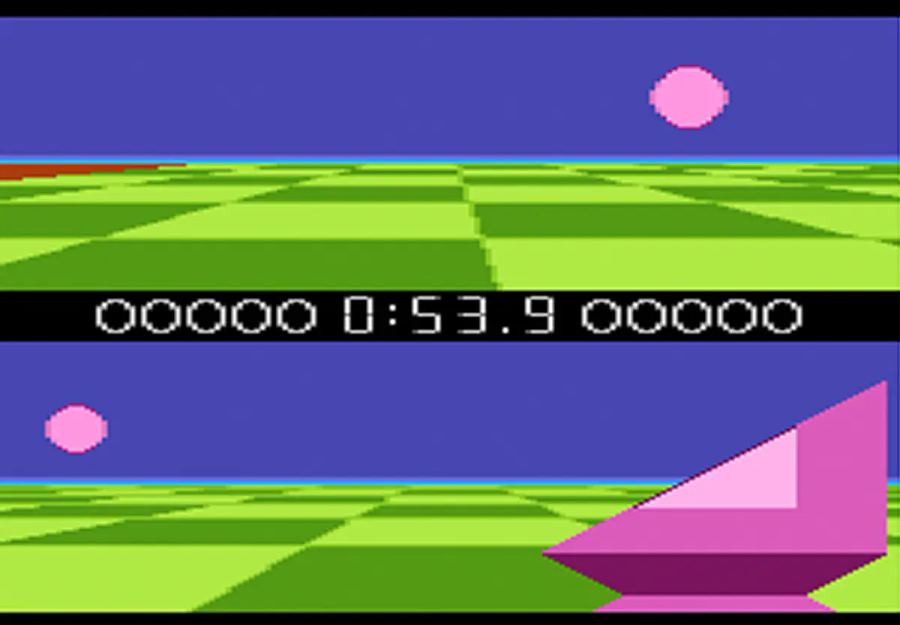
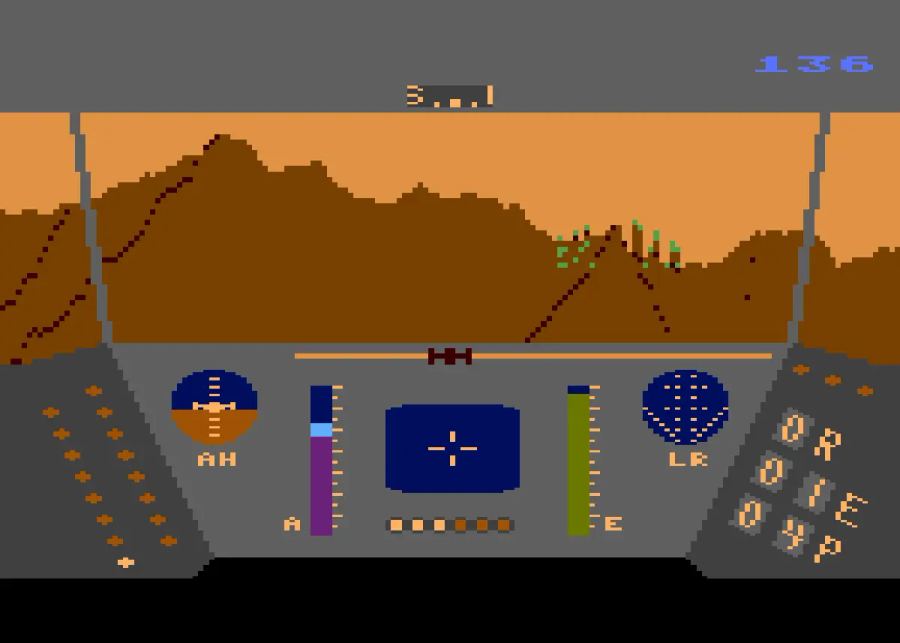
Contrary to what you might expect, the young company’s first games did not make use of its most famous franchises. Lucasfilm Games instead debuted with two original titles developed in collaboration with Atari: Ballblazer and Rescue on Fractalus!, initially presented and released in 1984 before reaching a wider market in 1985. To see its first graphic adventure, the genre that would later become almost synonymous with Lucasfilm Games and then LucasArts, we had to wait until 1986. This time, a movie licence was finally put to use: Labyrinth.
LUCASFILM GAMES, THE EARLY YEARS
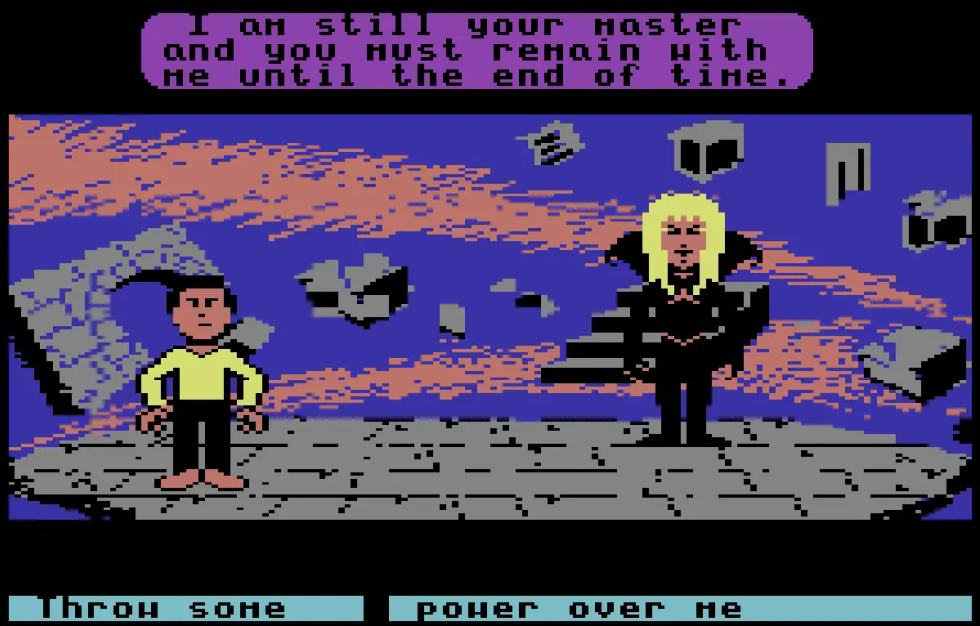
Labyrinth was the first graphic adventure and the first licensed game developed by Lucasfilm Games. Released for Apple II, Commodore 64, MSX2 and PC-88, it did not simply recreate the plot of the movie. The protagonist was none other than a teenager who, while watching Labyrinth at the cinema, was pulled inside the movie itself by Jareth, the Goblin King. The game enjoyed reasonable success and was positively received by the press at the time.
It was also an early attempt to move away from the traditional text adventures of the period. Instead of typing commands, you could select them from a system of available words and objects. A small taste of what Lucasfilm Games was still developing behind the scenes.
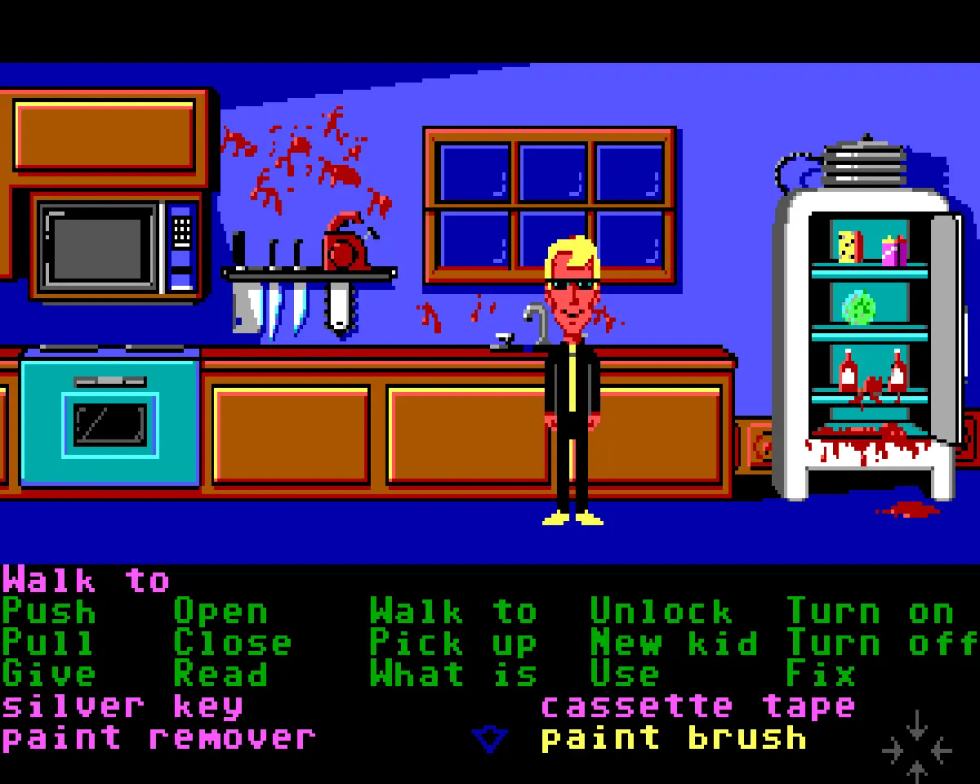
But the great adventures, the ones we would come to know over the following years, really began with Maniac Mansion. Released in 1987, it was the first game powered by the famous SCUMM engine, short for Script Creation Utility for Maniac Mansion, appropriately enough. But that is not all. Behind its creation was a certain Ron Gilbert, joined in the development of the game by Gary Winnick, two names destined to become fundamental in the history of Lucasfilm adventures. Gilbert in particular would later become an absolute star of the point-and-click genre thanks mainly to a game that defined an era, but we will get there in due time.
Maniac Mansion was an obvious parody of horror B-movies and became a major success, helped by its bizarre style and unlikely cast of characters. It was converted for the main home computers of the period, as well as the Nintendo NES.
SCUMM, THE STAGE FOR LUCAS ADVENTURES
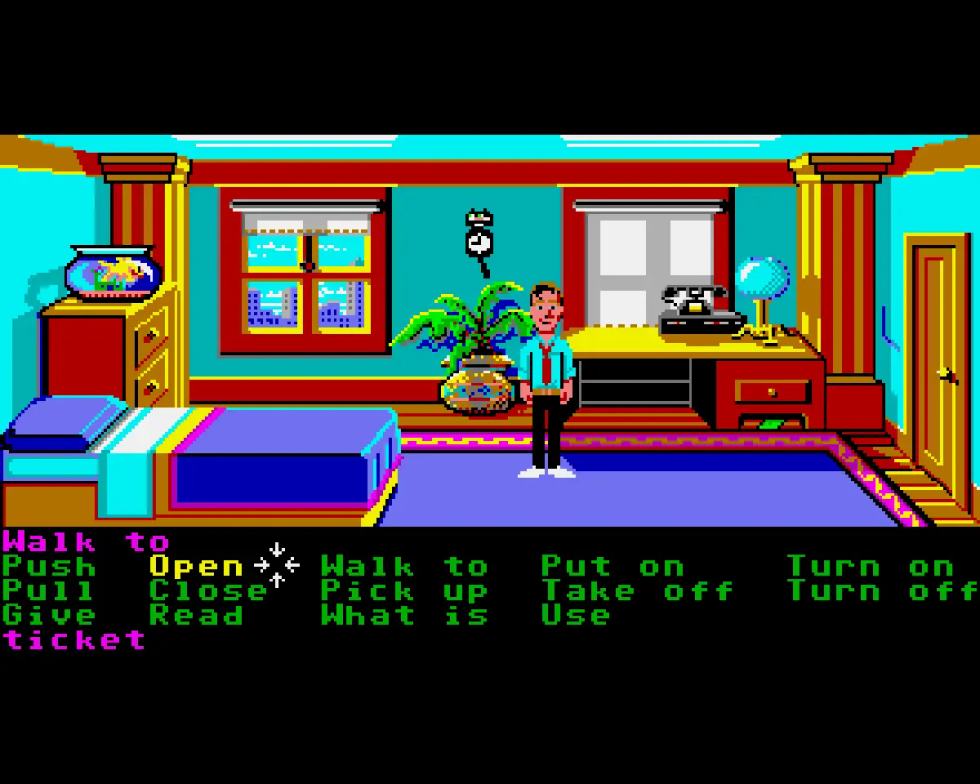
The arrival of SCUMM set the stage for the great Lucasfilm adventures that followed the watershed moment of Maniac Mansion. Used for exactly a decade, from 1987 to 1997, it became the stage on which those graphic adventures would come to life. SCUMM allowed developers to build an adventure through scripts, without having to program every single scene directly in a more complex language. Rooms, objects, characters, dialogue and actions were defined as separate elements that the engine could then interpret during the game.
More importantly, however, there was a clear separation between the game engine and its content. Graphics, sound, music, dialogue and game data were not strictly tied to the machine on which the title was running. In practical terms, bringing an adventure to another computer did not mean rewriting the entire codebase. The SCUMM interpreter could be adapted to the new platform while much of the game data remained unchanged.
That is also one of the reasons why Lucasfilm adventures appeared on so many different systems. Many years later, the same principle would make ScummVM possible, a modern interpreter capable of reading those old game files and running them on modern hardware and operating systems, even very different ones.
THE ROAD TO THE MOST BELOVED ADVENTURE
In 1988 came Zak McKracken and the Alien Mindbenders. Zachary, Zak to his friends, is a journalist who, together with Annie, Melissa and Leslie, must save the world from a diabolical alien machine that is gradually reducing human intelligence through the telephone network. And if you are wondering, no, this was not Gilbert predicting ChatGPT or any other famous LLM!
The game was another success, although some of its puzzles were not exactly easy to figure out. Quite the opposite, actually. Also worth mentioning was Steve Purcell, who designed the game’s cover. It was the beginning of a relationship between the artist and the Californian software house that would become even stronger later on.
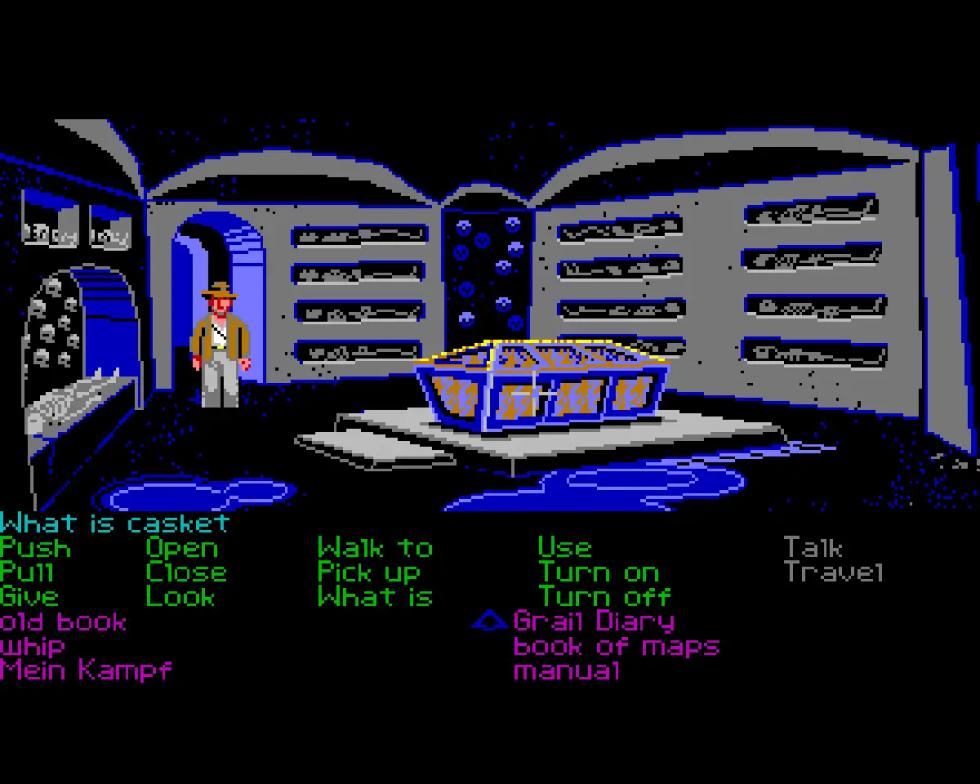
An archaeologist with a hat, a dusty leather jacket and a whip reached our computer screens in the same year that cinemas were showing his third adventure. Indiana Jones and the Last Crusade was created by Noah Falstein with the collaboration of the ever-present Ron Gilbert and David Fox. Elements taken directly from the movie, including action, combat and exploration, gave the developers the chance to offer players different ways to deal with the many situations encountered throughout the adventure, relying on intelligence, diplomacy or brute force. We will see this concept again, but in a much more explicit form.
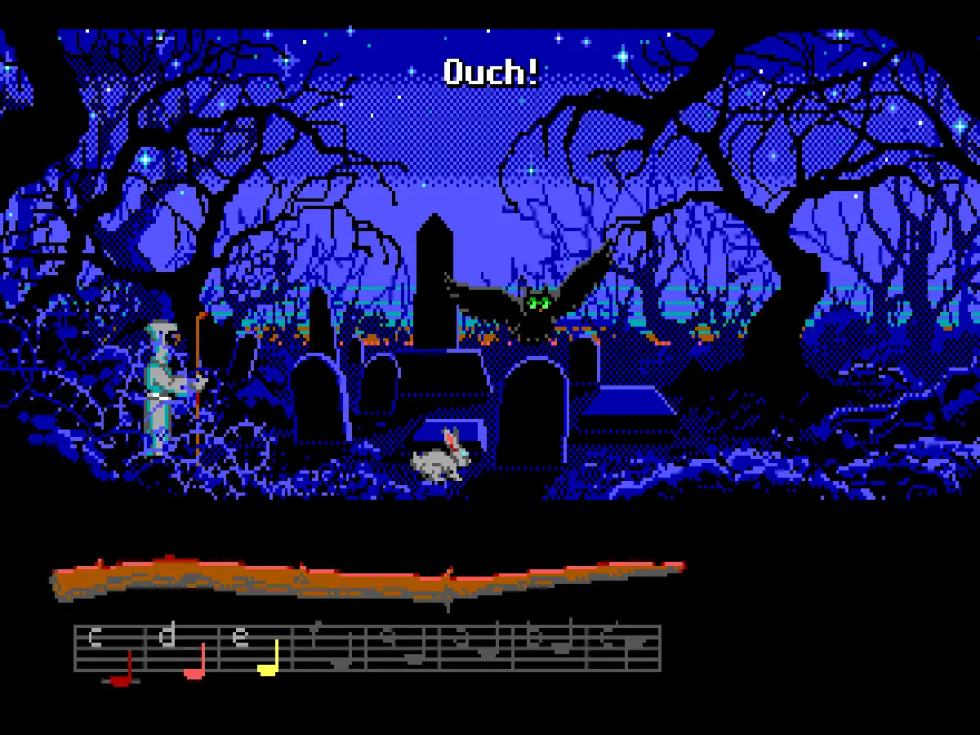
The release of Loom in 1990 gave Lucasfilm another opportunity to experiment with SCUMM. Musical drafts capable of producing spells replaced verbs and inventory items. Players guided Bobbin Threadbare, a member of a guild of weavers, through a fantasy adventure created by Brian Moriarty. Its melancholy atmosphere replaced the comedy and surrealism of the previous games. Many people did not fully understand Loom at the time, but today it still carries the charm of a fairy tale told through pixels.
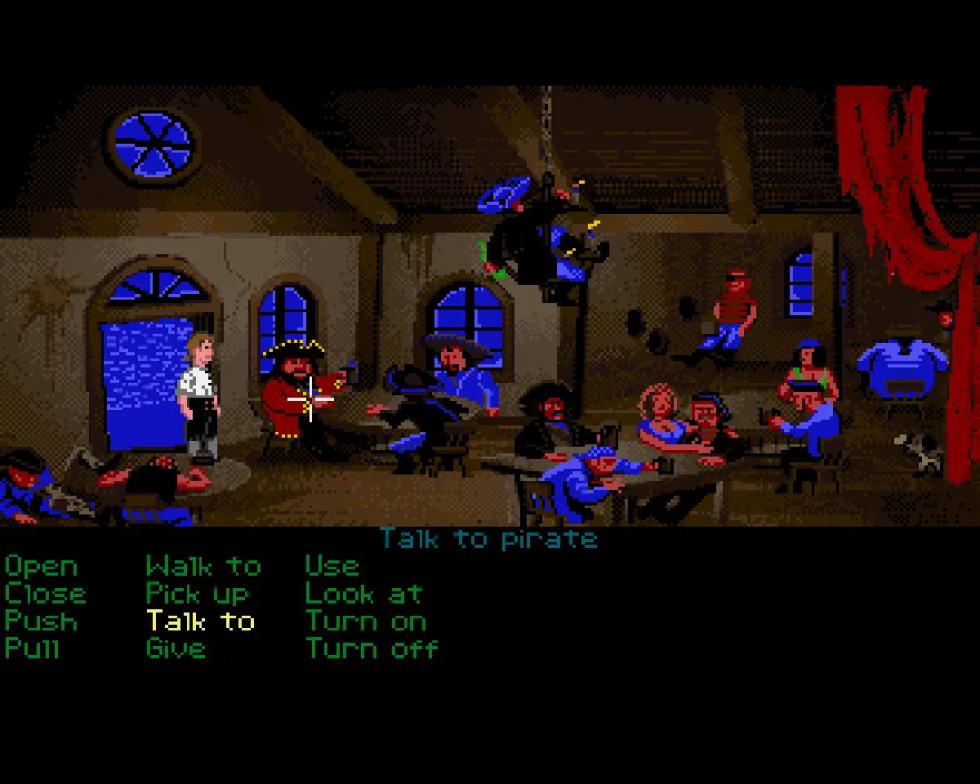
But 1990 was also the year Lucasfilm changed its destiny forever. Guybrush Threepwood was an awkward, naive but extremely determined young man whose dream was to become a pirate. The Secret of Monkey Island was the result of the cooperation between Ron Gilbert, Tim Schafer and Dave Grossman, with Steve Purcell among the artists involved in the project and also responsible for the cover artwork. Guybrush, the ultimate antihero, found his way into the hearts of an entire generation.
The game was a huge success: an obvious parody of pirate stories packed with hilarious jokes, unlikely characters, swords, comedy, romance, ghost pirates and tons of charisma. Lucasfilm had finally earned its place among the giants of the point-and-click genre.
LUCASFILM GAMES BECOMES LUCASARTS
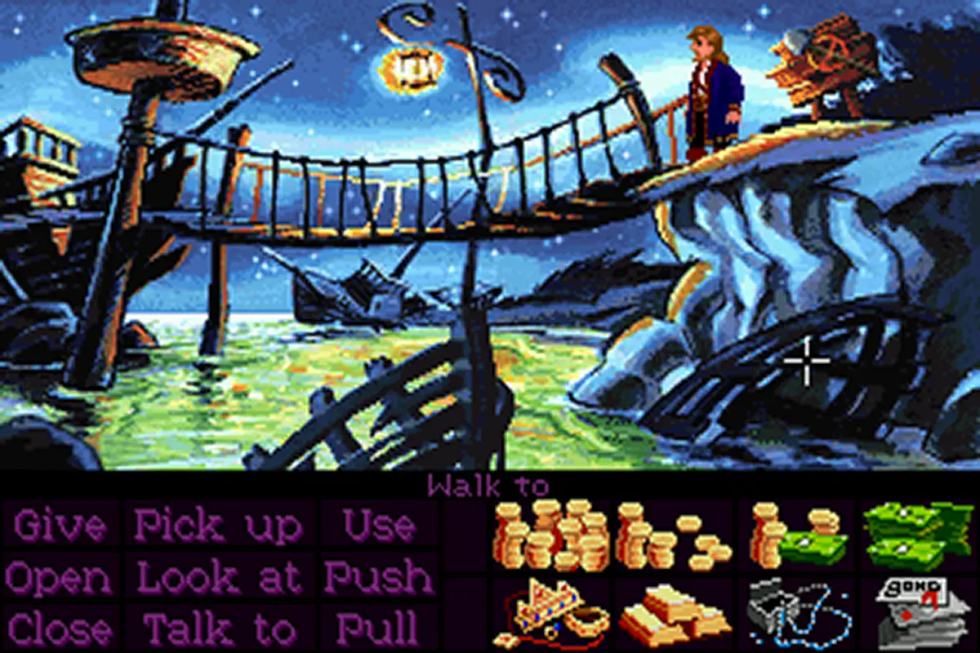
The first adventure to debut in 1991 under the new label was none other than an excellent sequel: Monkey Island 2: LeChuck’s Revenge. And here, ladies and gentlemen, hats off.
Guybrush returns full of himself after defeating the ghost pirate LeChuck, boring two pirates sitting with him around a campfire on the beach with yet another romanticized version of his exploits. Once he gets back on his feet, he immediately starts making a complete mess of things. First he gets attacked and ends up hanging upside down from a bridge by one leg. I always chose “Put me down and I promise I won’t hurt you!” during that dialogue. Then Largo LaGrande, a rather unpleasant pirate who has placed Scabb Island under embargo, robs Guybrush of all his riches.
And eventually, in a burst of pride, Guybrush literally hands Largo the still-living beard of LeChuck. If you remember what voodoo magic was capable of, you can probably guess that the damage was already done.
Bigger, even crazier and featuring a truly disorienting ending, it is without a shadow of a doubt the finest chapter in the series.
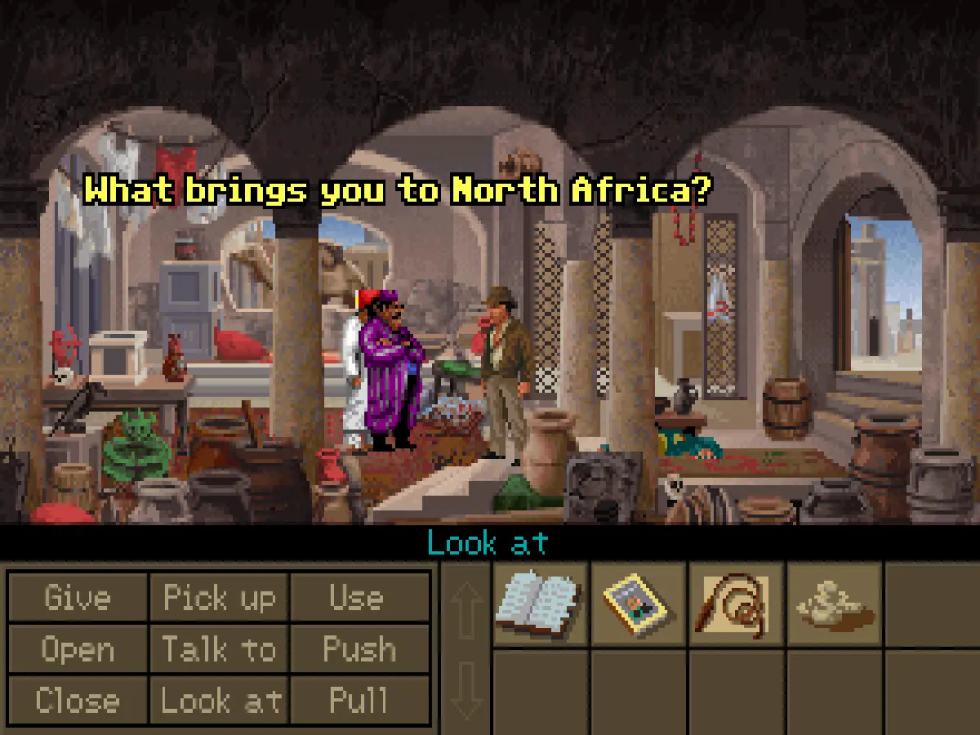
LucasArts had now entered its golden period and, at least when it came to graphic adventures, very few studios could truly compete. If The Last Crusade marked Indiana Jones’ debut in the genre, Fate of Atlantis confirmed his definitive success in this medium.
Released in 1992, Fate of Atlantis tells an original story about the most beloved archaeologist of all time, conceived and written by Hal Barwood. It is an absolute masterpiece, so much so that many fans would have loved to see it adapted into a movie, and it introduced a new approach to the graphic adventure formula.
At one point, Indy reaches a crossroads where he must choose how to continue: fighting his way through the adventure, relying on his wits, or working together with Sophia Hapgood, his assistant during a previous expedition and now a self-proclaimed medium in contact with Nur-Ab-Sal, an ancient Atlantean figure worshipped as a god.
The usual cliché follows: Nazis trying to conquer the world. This time they want to get their hands on orichalcum, a material used by the ancient mythical civilization in the form of small beads capable of releasing extraordinary amounts of energy, hoping to turn it into weapons powerful enough to destroy any opponent and guarantee the Third Reich world domination.
You may be thinking this sounds like the usual predictable plot, but trust me, play it and you will be captivated. The historical myth of Atlantis and the cinematic mythology of Indiana Jones come together in one of the most successful marriages in video game history.
THE GOLDEN AGE CONTINUES
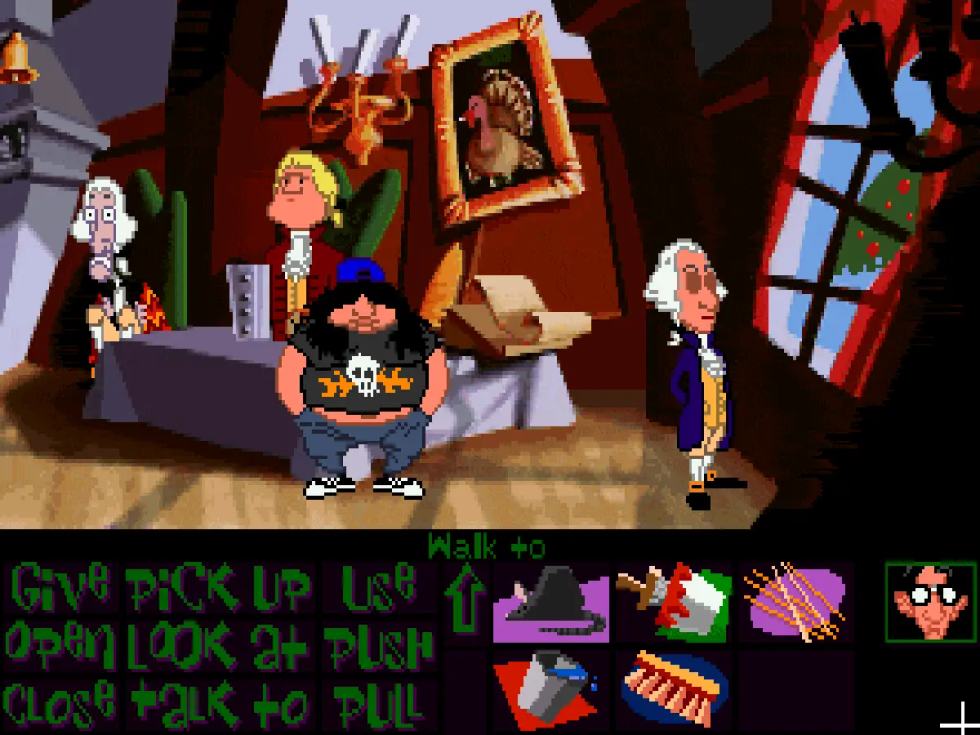
Six years after its release, Maniac Mansion finally received a sequel. It is 1993 and Day of the Tentacle represents a clear break with the past. The tentacles, Bernard and Dr. Edison return only on MS-DOS and Macintosh, leaving behind a historic platform such as the Amiga.
It was also the first adventure to truly take full advantage of the potential offered by CD-ROM. Richer presentation, more elaborate animation and digitized speech helped make the game feel increasingly like an interactive cartoon.
An absolute masterpiece created by Dave Grossman and Tim Schafer, the game puts you in control of Bernard, Hoagie and Laverne as they attempt to stop Purple Tentacle, who has become evil and grown two arms after drinking toxic waste from a drain.
His goal? Conquer the world, obviously.
The three friends must travel back to just before Purple Tentacle drinks the contaminated liquid and stop the machine producing the toxic waste. Why all three of them? Wouldn’t one have been enough?
Well, no. Dr. Fred knew perfectly well that his Chron-o-John, his ridiculous time machine, needed a real diamond to work properly, not a piece of glass. The fake diamond cannot withstand the machine’s power, and the three friends are scattered across three different periods: one ends up in the past, meeting famous historical figures, another is thrown into a dystopian future, while the third never leaves at all and remains in the present.
During the adventure, the characters can exchange objects through their Chron-o-Johns. If you are wondering how, the answer is obvious: by flushing the toilet!
Completely insane, in the best possible sense.
Also in 1993 came Sam & Max Hit the Road. Here Purcell played a fundamental role in bringing to life the characters he had originally created for his comics. A detective dog and a hyperactive creature resembling a rabbit are called upon to solve the disappearance of Bruno, a Bigfoot, and Trixie, a woman with a giraffe-like neck. Their adventure takes place across a surreal America filled with bizarre locations.
Tim Schafer then took us on the road with a true highway centaur. Full Throttle, released in 1995, stars Ben, leader of the Polecats motorcycle gang, in a decaying future. A road movie mixing engines, rock music and corporate conspiracies.
An idea by Steven Spielberg would lead to a science-fiction adventure with a much more serious tone, moving away from the usual Lucas humor. The Dig was released in 1995 and divided players. Some considered it a masterpiece, while others disliked its overly serious atmosphere. Today, that same serious and melancholy tone has become, for many, one of its greatest strengths.


BUT EVENTUALLY, THE WIND CHANGED
By the end of the 1990s, 3D graphics were dominating the industry. It was fair to wonder whether there was still room for old-fashioned graphic adventures.
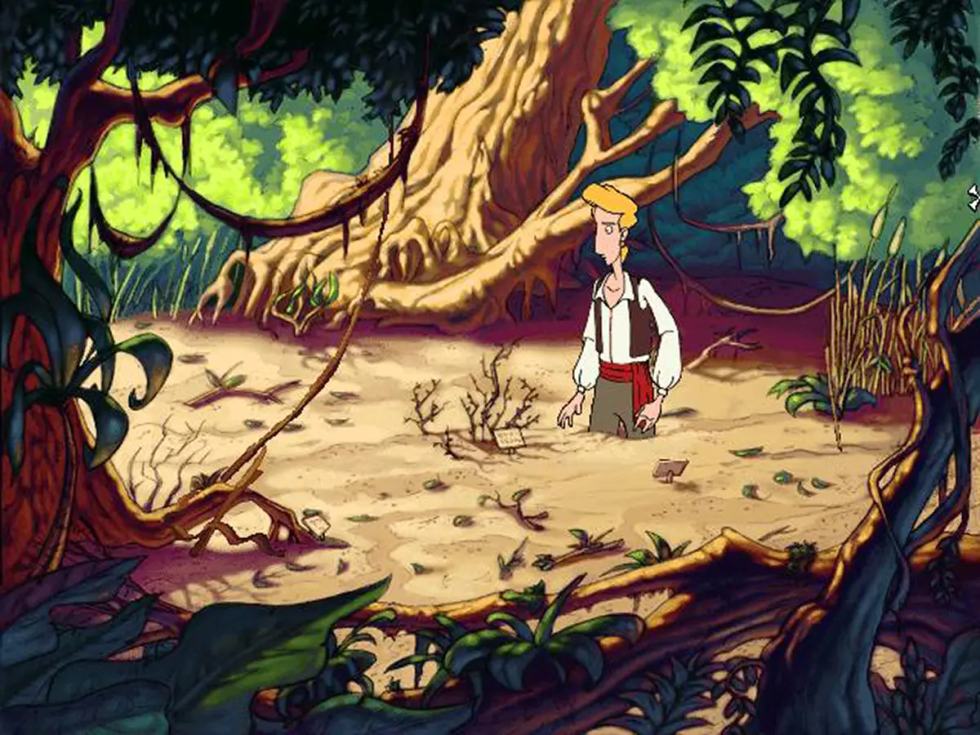
The Curse of Monkey Island arrived in 1997. LucasArts clearly still believed in the genre that had made it great, and it was right to do so. Although Ron Gilbert was no longer leading the project, Larry Ahern and Jonathan Ackley inherited his legacy and delivered another excellent adventure set deep in the Caribbean.
Its visual style was distinctive and widely praised, but personally it never completely won me over. Guybrush had become incredibly thin and, to me, lost much of his charisma. Still, the feeling of watching an interactive cartoon was absolutely there.
Guybrush, Elaine, Wally, the Voodoo Lady, Stan, the vegetarian cannibals and, of course, his archenemy LeChuck were all back once again. This third chapter also introduced another character who would become beloved by fans of the pirate saga: Murray, the talking skull.
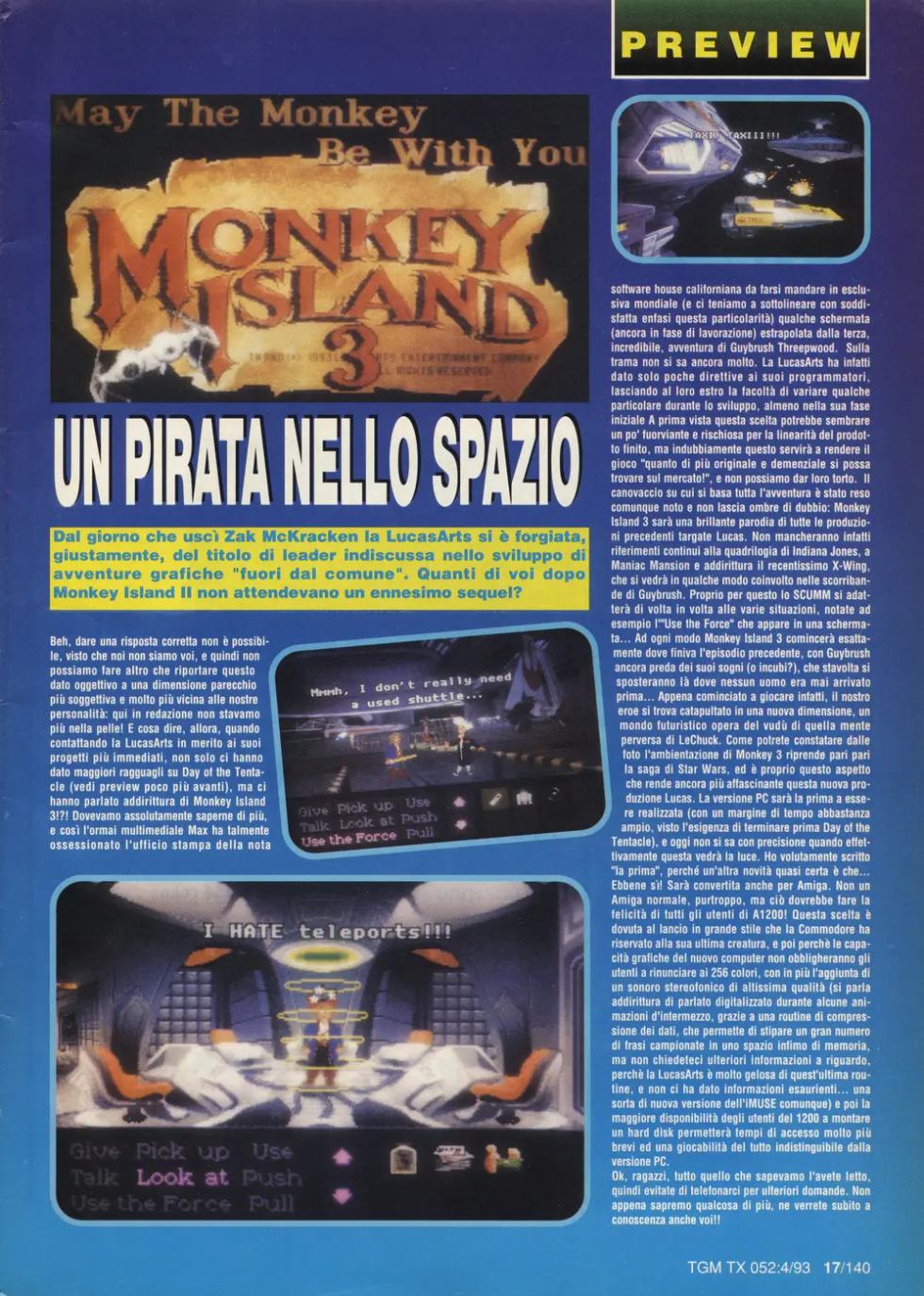
I also have an anecdote about this third episode. Long before the game was officially announced, the April 1993 issue of the Italian magazine The Games Machine devoted an entire page to one of the most memorable and amusingly hated April Fools’ jokes in the magazine’s history.
The third game would apparently send Guybrush into the Star Wars universe.
Who knows what might have happened if it had actually been real. The Force mixed with voodoo magic would have been devastating.
Those who played The Curse of Monkey Island will probably remember the mysterious skeletal figure stabbed in the back inside the restaurant at Puerto Pollo. Much like LucasArts had already done with Loom at the Scumm Bar, the studio was teasing another major adventure that would arrive one year later.
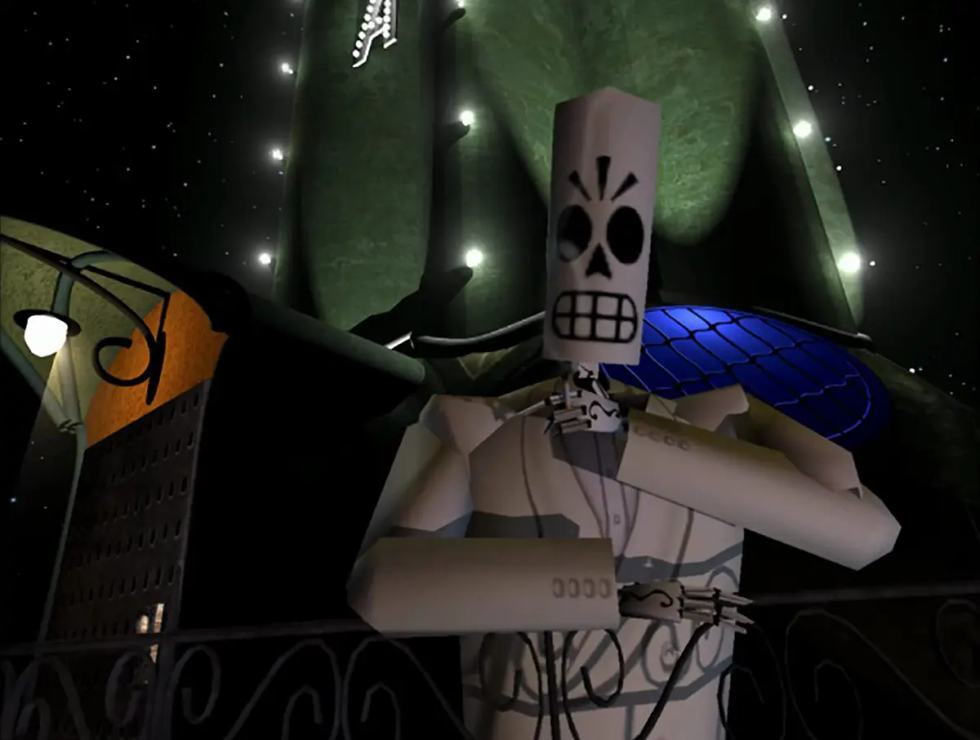
Directed by Tim Schafer, Grim Fandango was the first LucasArts adventure not to use the famous SCUMM engine. Instead, it relied on a new engine called GrimE, with three-dimensional characters moving across pre-rendered backgrounds.
The game was a noir adventure inspired by Mexican folklore, starring Manny Calavera, a travel agent for the dead working for the Department of Death. The atmosphere was fantastic, the characters had plenty of charisma and everything suggested that the point-and-click genre might be entering a new spring.
Universally regarded as a masterpiece, although I have to admit I never completely fell in love with it, Grim Fandango was not enough to stop the inevitable decline of graphic adventures.
For LucasArts, the death of that era was sealed by Escape from Monkey Island in 2000, a game that tried to rely on the emotional strength of the Monkey Island universe and the graphical technology behind Grim Fandango. The result was a failed attempt, with a chapter that felt decidedly underwhelming and ultimately forgettable.
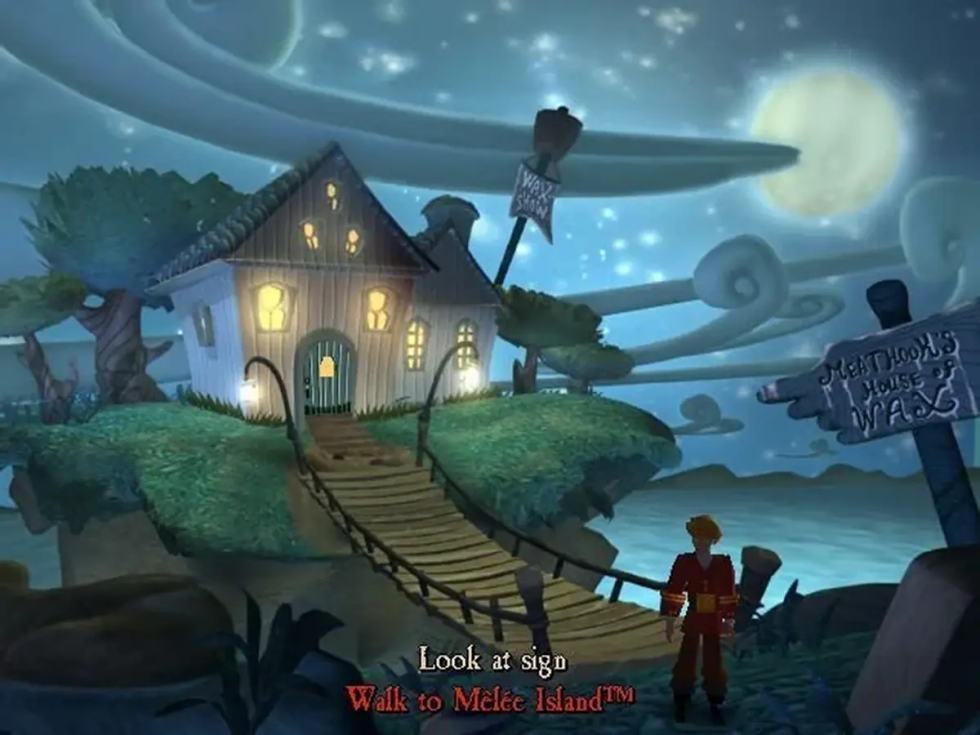
By then, the industry had moved towards 3D action, and LucasArts had already spent years shifting its focus towards other genres, making increasing use of a very powerful franchise called Star Wars.
But that is a story for another time.
REAL PIRATES, SOMETIMES, COME BACK
Twenty-one years would pass before Guybrush Threepwood starred in another adventure, at a time when many people had already given up hope.
But sometimes dreams really do come true, and in 2022 Ron Gilbert returned.
Dave Grossman was still there beside him.
Return to Monkey Island, developed by Terrible Toybox and published by Devolver Digital, brought Guybrush, Elaine, LeChuck and many other old friends back to our screens. Its visual design was both shocking and brilliant, while the humor was the one we all remembered, updated for a more modern era, just like the interface itself.
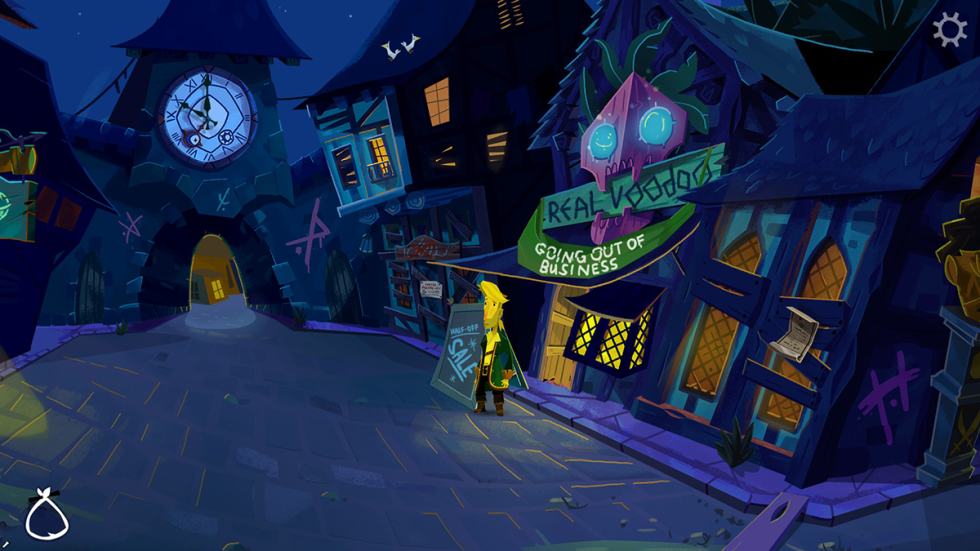
The video game industry had changed beyond recognition since Maniac Mansion first appeared in 1987. And yet, more than thirty years later, Gilbert managed to warm the hearts of those who still remembered the golden age of graphic adventures and was finally able to pick up the thread of the story he had left behind after Monkey Island 2: LeChuck’s Revenge.
And, at least for me, this was the real third chapter in the fantastic pirate saga of Guybrush Threepwood, Mighty Pirate!
Reader memories
Comment on the article and join the discussion.
Comment rulesLog in or register to leave a comment.
Create your account
Loading comments...