





MS-DOS
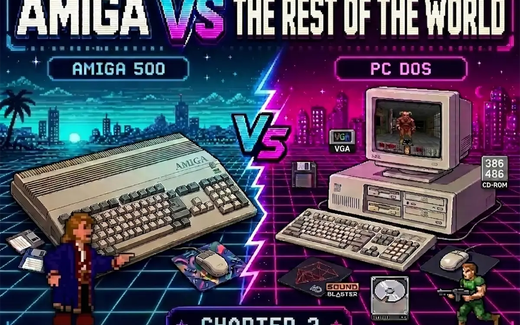
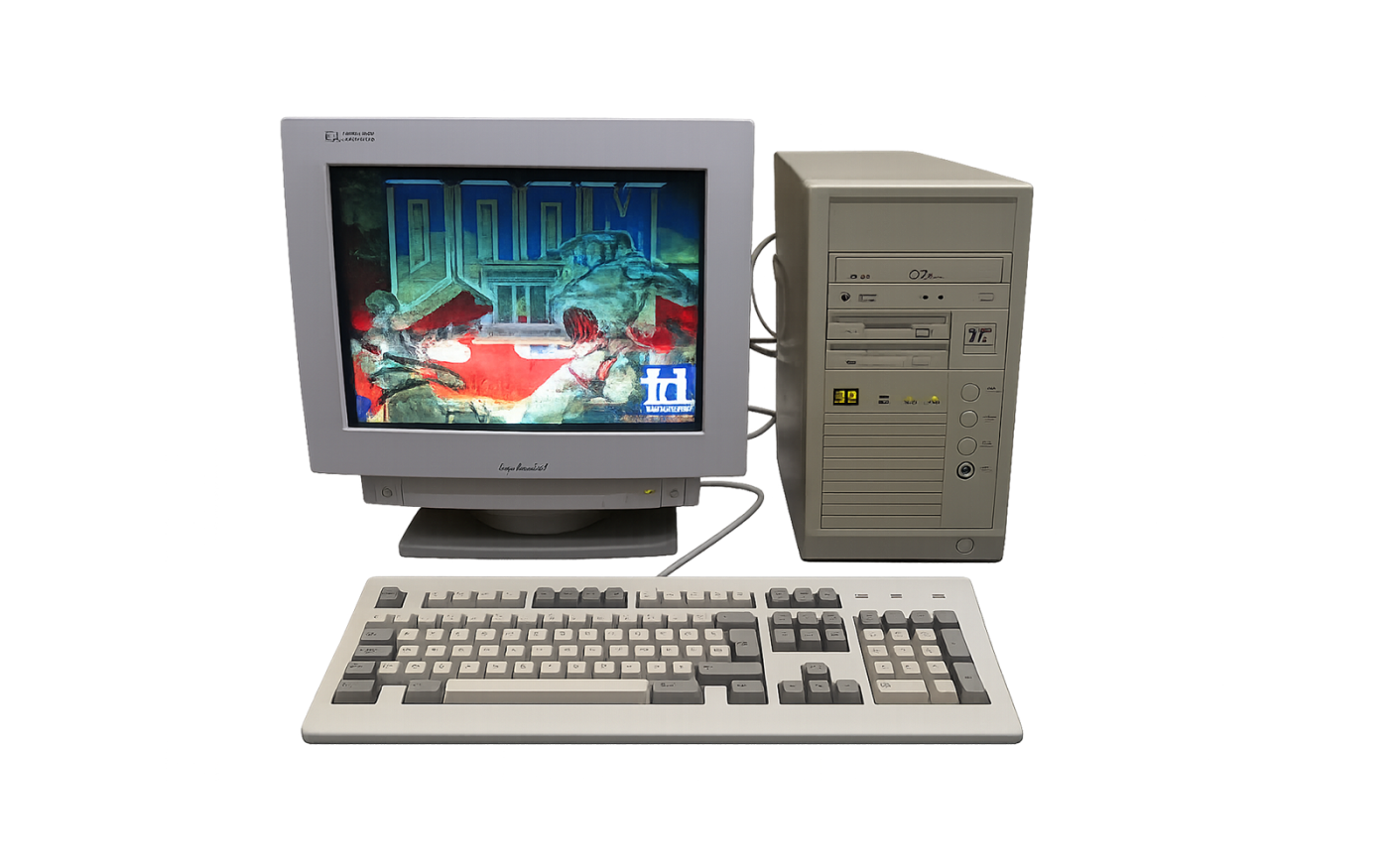
Born in 1981 as the operating system for the IBM PC and later spread through compatibles, MS-DOS was not a single hardware platform, but the environment that turned the PC into an increasingly important gaming machine. Between the second half of the 1980s and the mid-1990s, it established itself mainly in North America and then in Europe, including Italy, competing with the Amiga, Atari ST, Macintosh, 8- and 16-bit consoles and, later, with Windows itself.
Its technical identity evolved alongside PC hardware: from Intel 8088 and 8086 processors to the 286, 386, 486 and early Pentium CPUs. The 640 KB of conventional memory remained a real limitation for a long time, often worked around through manual configurations, expanded memory or extended memory. Graphics and audio also followed a gradual path: CGA, EGA, VGA and SVGA took the PC from its early limited colours to 256-colour VGA, while AdLib, Sound Blaster, Roland MT-32 and General MIDI defined the sound of DOS games. Storage moved from floppy disks and hard drives to CD-ROM.
MS-DOS was less immediate than consoles and less elegant than many home computers, but it offered freedom, expandability and genres that were hard to contain elsewhere. Its legacy lives through Prince of Persia, Monkey Island 2: LeChuck’s Revenge, Wolfenstein 3D, Doom, Commander Keen, Ultima VII, X-COM: UFO Defense and Duke Nukem 3D.