


Retro gaming is often described as a journey into the past, a way to revisit the games, machines and experiences that shaped entire generations. But sometimes the most interesting stories are not hidden inside the games themselves. They emerge from the people who played them, from the memories they share and from the conversations that continue decades after the original release.
Drawing on Borja’s observations and the reactions generated by TheGeekLink’s videos, this special article explores how classic games can become a common language between players from different countries and backgrounds. Through a simple gameplay clip, something bigger can emerge: a collective archive of memories, personal stories and different ways of experiencing the same piece of gaming history.
The memories behind the games
A few seconds of gameplay, a familiar piece of music or the title screen of an old video game can be enough to reopen memories that seemed to have remained untouched for decades. A video published on social media may initially attract people who recognise the game, but what happens next is often more interesting than the nostalgic reaction itself.
In the comments, people do not simply write, “I used to play this too.” They compare different versions, remember the arcades in their hometowns, discuss console and computer conversions, mention soundtracks, recall where they bought the game and recommend similar titles. A single clip can therefore become the starting point for a broader conversation about gaming history and the many different ways in which that history was experienced.
This is what Borja, the Spanish creator behind TheGeekLink, has observed while examining the reactions generated by his retro gaming videos. Comments in English, Spanish, Italian, Portuguese, French and German regularly appear beneath the same piece of content. The languages may change, but the game immediately provides a shared point of reference.
In this sense, retro gaming is not simply a way of looking back. It can become a spontaneous form of collective memory.
One game, many different memories
Gaming nostalgia is not the same for everyone.
The same title may have been discovered in an Italian arcade, on a Japanese console, through a European conversion or many years later thanks to emulation. Even when the game itself is identical, the surrounding context can be completely different.
Some remember the original arcade cabinet, while others only knew the home version. Some played translated editions, while others learned how to progress without understanding a single word. Some owned a computer that was extremely popular in their country, while players elsewhere encountered a completely different platform.
Comments allow these experiences to emerge alongside one another. They do not create a single, definitive version of the past. Instead, they show how gaming history is made up of parallel paths.
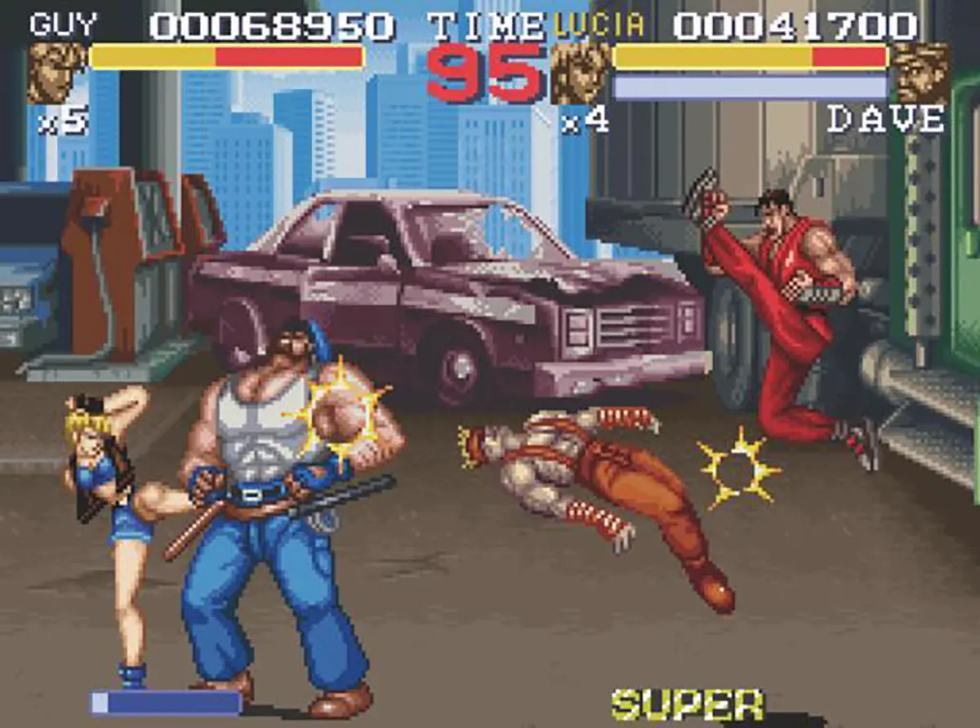
The audience reached by TheGeekLink’s videos reflects this variety. The video dedicated to Final Fight 3, for example, attracted viewers from Mexico, the United States, Japan, Brazil, Argentina, Spain and the United Kingdom. Despite the geographical differences, a scrolling beat ’em up developed in the 1990s remains instantly recognisable across very different gaming cultures.
Beyond “I remember this game”
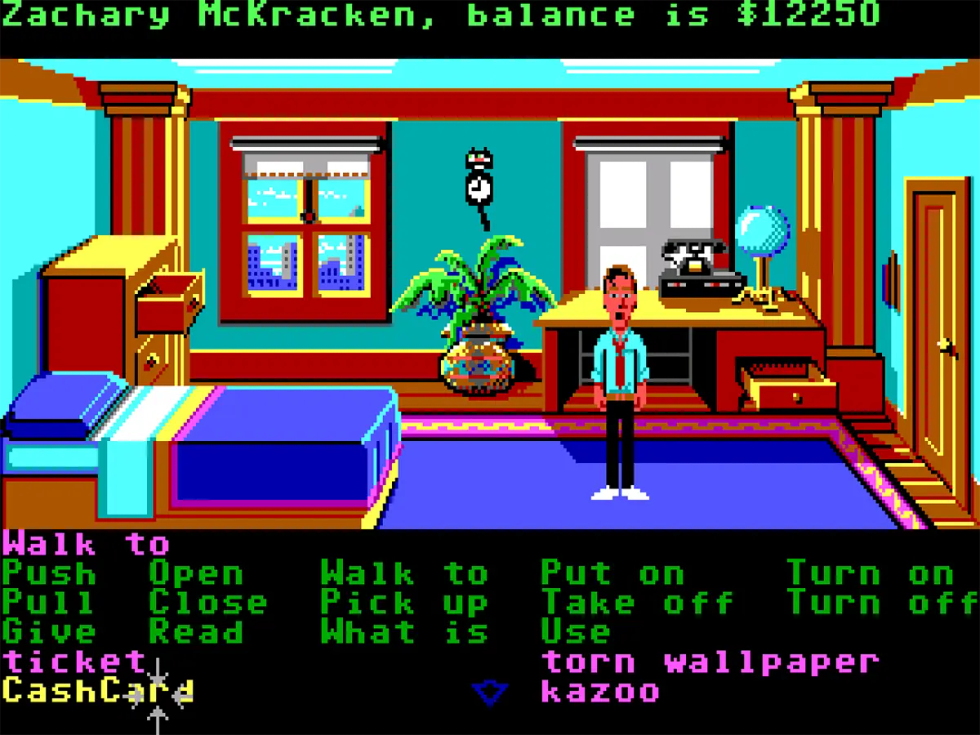
One of the most interesting examples is Zak McKracken and the Alien Mindbenders.
The video received more than 18,000 views, reaching mainly viewers aged between 35 and 54 in Germany, Spain, the United Kingdom, France and Italy. Yet the most meaningful aspect is not simply the number of people involved. It is the way the conversation expanded.
Viewers began mentioning Maniac Mansion, Monkey Island and the FM Towns version of Zak McKracken. The memory of a single game opened a broader discussion about LucasArts adventures, different editions and experiences shaped by different platforms.
The audience did not simply recognise the title shown in the video. It added connections, information and context.
This is a recurring pattern. One game leads to another, and then to another still. The comments section begins to work like a collectively constructed map, with each person adding a fragment of their own experience.
Sometimes the discussion brings back widely celebrated games. In other cases, regional versions, less familiar conversions or titles that some players never had the opportunity to experience begin to reappear. The original video remains the starting point, but the conversation eventually moves beyond it.
When music and atmosphere remain
Not every gaming memory is connected to mechanics or completing a level.
Sometimes what remains longest is a piece of music, an image or a particular atmosphere. The solution to a puzzle may be forgotten, while the feeling of entering a certain location remains perfectly clear.
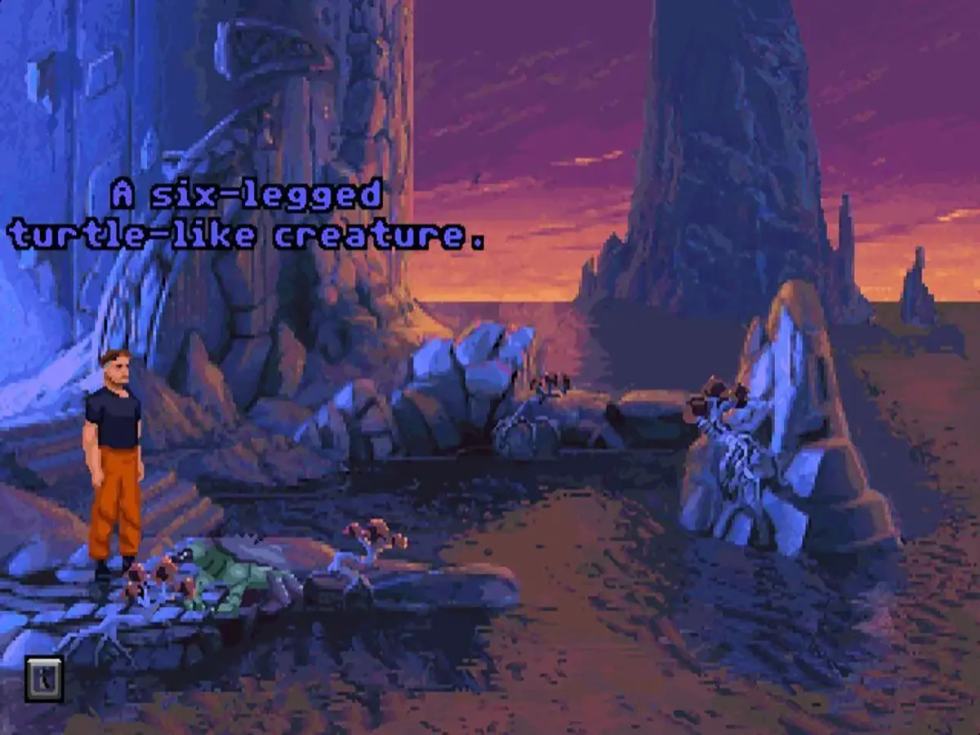
The case of The Dig is particularly significant.
The video received more than 15,000 views and 79 saves, figures that suggest a desire to preserve or revisit the content. In the comments, several viewers immediately focused on the soundtrack and atmosphere.
One person remembered listening to The Dig soundtrack CD before going to sleep. Another recalled a specific scene that, even after thirty years, continues to leave an impression.
These accounts show how a gaming experience can remain connected to deeply personal moments. The game is not remembered only as a product, but as part of a particular period in someone’s life.
A soundtrack heard in a bedroom, a sequence seen as a teenager or an image that remained fixed in the memory become part of an experience that cannot be reconstructed through technical information or a gameplay recording alone.
Difficulty as a shared experience
Even frustration can eventually become nostalgia.
Games famous for their difficulty have left behind memories of repeated attempts, cheat codes, strategies exchanged between friends and levels that were never completed. With time, those failures are often retold with affection.
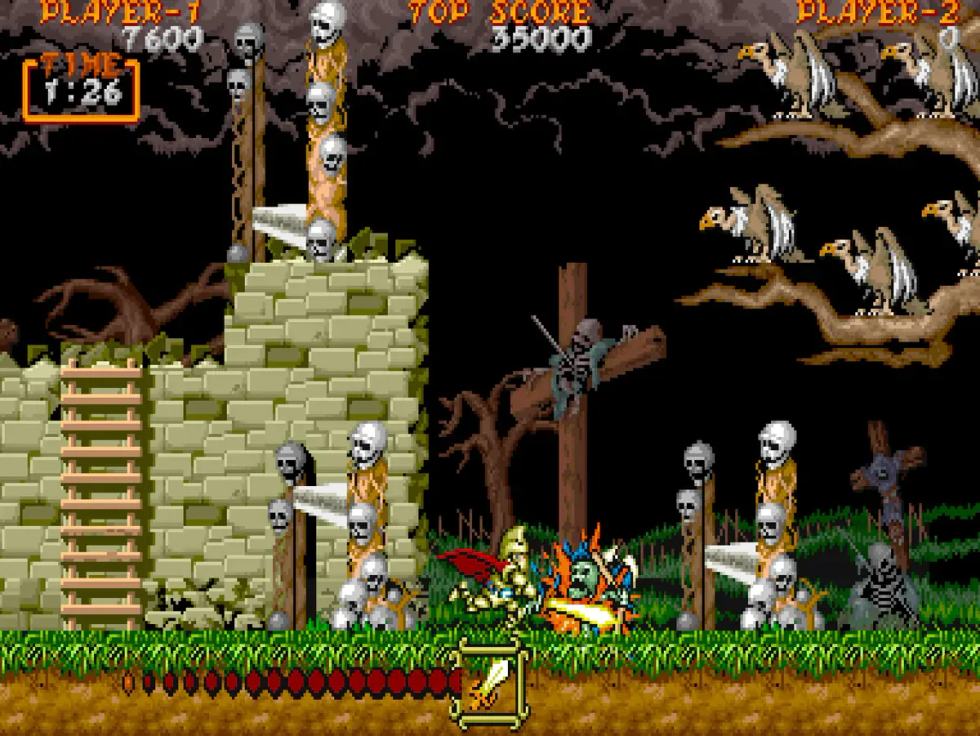
The video dedicated to Ghouls ’n Ghosts immediately generated discussions about its difficulty. Some viewers remembered the cheats they used, others the second playthrough required to reach the true ending. Some admitted that they had never managed to progress beyond the first level.
Difficulty was not a secondary part of the memory. It was the memory itself.
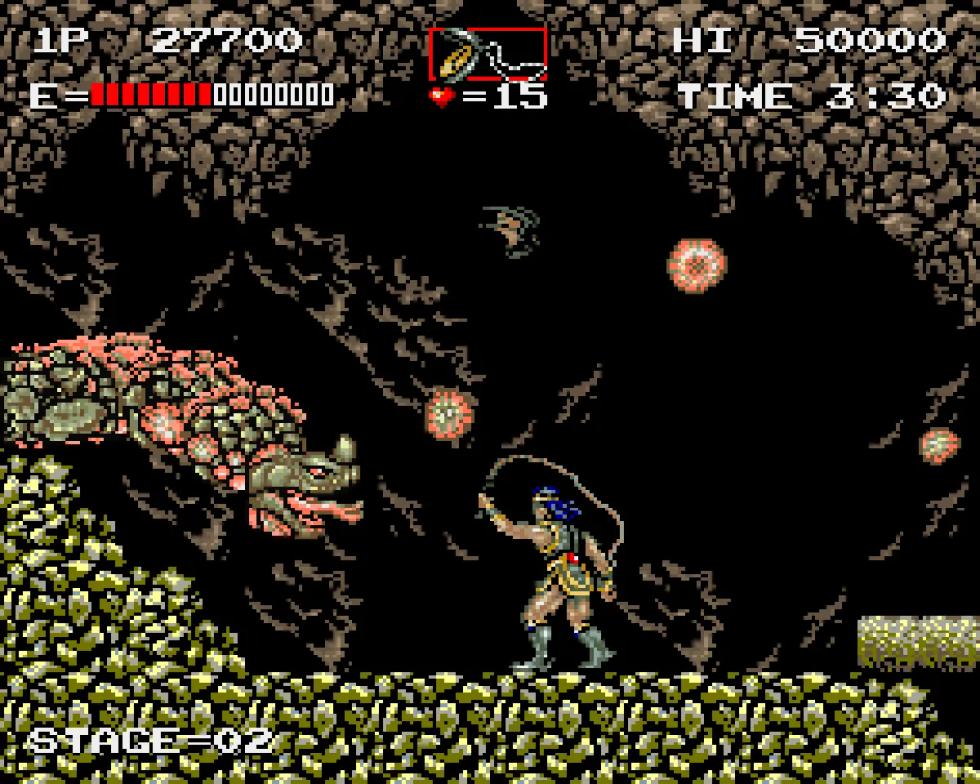
A similar phenomenon emerged around Haunted Castle. The conversation quickly moved towards other Castlevania games and the different versions released over the years. A short video reopened a discussion about an entire series and the experiences players had across different platforms.
These comments also describe a different way of playing. Many games were tackled without immediate guides, frequent save points or solutions available within seconds. Advice came from friends, magazines or someone who claimed to know an infallible trick.
Remembering the difficulty therefore also means remembering the context in which those games were played.
Rediscovering titles beyond the familiar canon
Social platforms can bring renewed attention to games that now occupy a more marginal place in collective memory.
Retro gaming is not made up only of the most celebrated names. Alongside Super Mario, Sonic, Street Fighter II and Monkey Island, hundreds of titles left a deep impression on smaller groups of players.
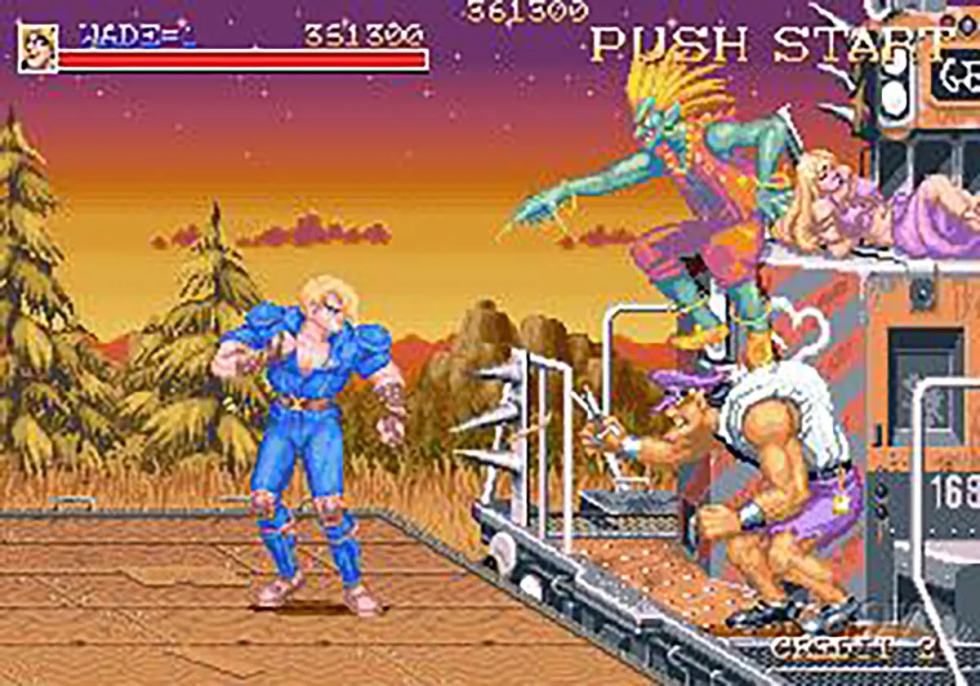
Violent Storm is a good example.
The video generated comments in which viewers began recommending Cadillacs and Dinosaurs, Streets of Rage and Double Dragon. The discussion did not end with the featured title, but expanded towards the scrolling beat ’em up genre as a whole.
This kind of conversation serves two purposes.
On the one hand, it allows people who once knew those games to recover them from memory. On the other, it introduces less familiar titles to people who never encountered them, perhaps because the games were not available in their local arcades or because they did not own the platform on which they were released.
Rediscovery does not therefore come only from the creator. The community itself builds alternative paths and suggests new subjects.
Nostalgia changes from country to country
One of the most interesting aspects revealed by TheGeekLink’s data concerns regional differences.
A licensed game may be almost forgotten in one country while representing a generational memory in another. An animated series, television character or particular console did not achieve the same level of popularity everywhere.
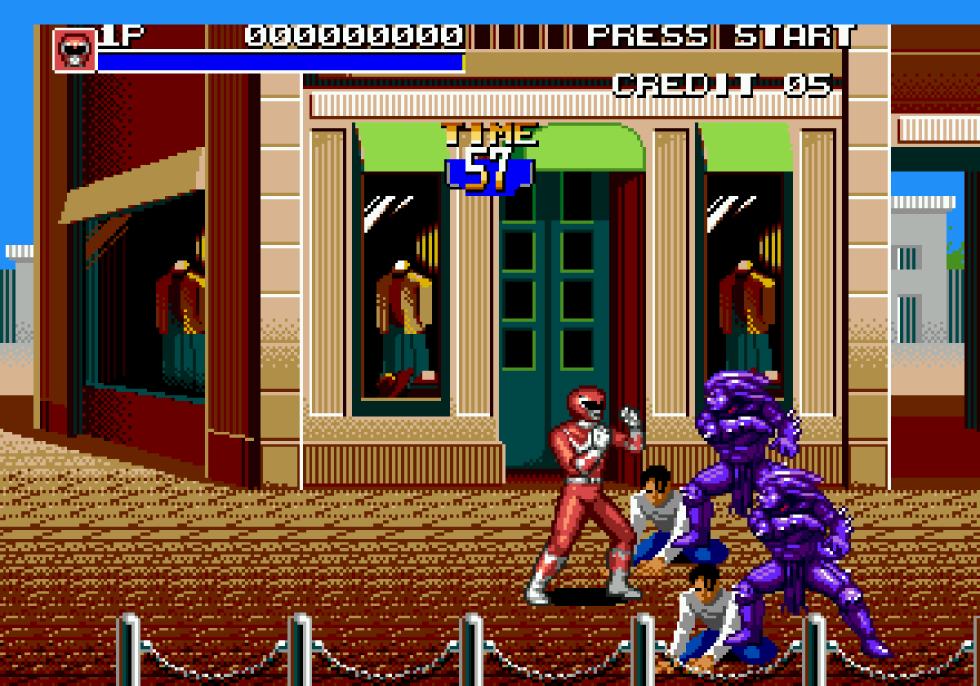
The video dedicated to Power Rangers: The Movie reached a different audience from the other examples. Most viewers were aged between 25 and 44, with particularly strong engagement from Vietnam and other Southeast Asian countries, alongside the United States, Spain and the United Kingdom.
The result shows that nostalgia does not depend only on the quality or international reputation of a game. It is also shaped by the cultural importance a licence acquired within a particular region.
There is therefore no single memory of the 1980s or 1990s. There are many different memories of the same historical period, influenced by local distribution, available platforms, the arcades people visited and the popular culture of each country.
It is precisely the comparison between these experiences that makes the discussions richer.
The creator within the conversation
Borja launched TheGeekLink around four months ago, with the initial intention of simply sharing some of the games he loves.
The community’s response, however, quickly changed the way he viewed his own content.
“Over time, I’ve realised that the comments often become just as valuable as the videos. People add context, correct details, share memories from different countries and recommend titles I hadn’t even considered before.”
The creator does not remain outside the conversation. He learns alongside the audience.
This is an important point because it moves beyond the idea of one-way communication. A video is not simply content published by one person and consumed by everyone else. It can become a space in which knowledge is collectively updated, corrected and expanded.
The creator brings the game and an initial perspective. The community adds versions, geographical contexts, personal experiences and connections to other titles.
Borja himself describes the process as a shared form of learning:
“I feel like I’m learning alongside the community rather than simply showcasing content to them.”
This willingness to be corrected and surprised is probably one of the elements that can transform a simple social media page into an authentic community.
Preserving the stories around the games
When discussing video game preservation, attention inevitably turns towards hardware, ROMs, original media, source code and documentation.
These elements are essential. Without the work of archives, associations, collectors and developers, an important part of gaming history would risk becoming inaccessible.
But preserving a game does not necessarily mean preserving everything that game represented.
A file may preserve the software intact, but it cannot tell us who played it in a neighbourhood arcade, which soundtrack someone listened to before going to sleep or which level frustrated an entire generation of young players. It does not explain why the same title became important in Spain, Vietnam, Italy or Brazil for completely different reasons.
That information survives through testimony, interviews and conversations between people.
The comments beneath a video cannot, of course, replace a historical archive. They may be fragmented, inaccurate and destined to disappear within the speed of social media platforms. Yet that is precisely why they deserve attention.
Between a joke and a personal memory, details can emerge about regional versions, distribution, local habits and the way a game was actually experienced.
Every video therefore becomes an opportunity not only to revisit a classic, but also to collect the traces left behind by the people who played it.
Video game preservation is not only about the games themselves. It is also about the stories, differences and emotions that surround them.
The video may provide the initial trigger. But sometimes the real archive begins immediately underneath it, in the comments section.
Reader memories
Comment on the article and join the discussion.
Comment rulesLog in or register to leave a comment.
Create your account
Loading comments...