Amiga vs the Rest of the World: Atari ST, the closest rival
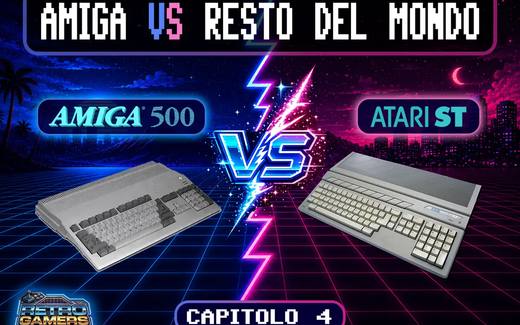
The Atari ST was the Amiga’s closest rival: same Motorola 68000, same European market, but two very different hardware philosophies.
All Retro-Gamers.it articles about history: reviews, features, guides, news and stories from the world of retro gaming.
12 contents available
The Atari ST was the Amiga’s closest rival: same Motorola 68000, same European market, but two very different hardware philosophies.
Arcade conversions on Amiga were often painful, but not always. From Capcom disasters to successful ports, all the way to the unreleased Snow Bros.
The third chapter of Amiga vs the Rest of the World looks at the myth of the Sharp X68000 as “the Japanese Amiga”: Capcom arcade ports, U.S. Gold, Workbench, Human68k, demo scene and two very different computer cultures.
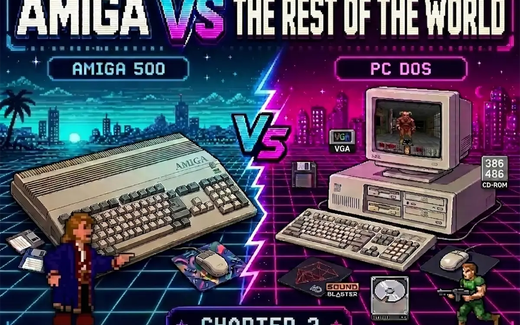
The second chapter of “Amiga vs the Rest of the World” tells the moment when PC DOS stopped chasing: VGA, Sound Blaster, hard drives, 386, 486, LucasArts, arcade conversions and Doom changed the balance.
Commodore’s decline was not a sudden collapse, but a slow loss of direction, made of missed opportunities and choices that were never truly decisive — while the Amiga continued to be loved.
The less celebrated Commodore machines that helped build the foundations of home computing.
Two unreleased architectures that still represent the Amiga future Commodore never managed to deliver.
Amiga arrived with graphics, audio and multitasking that were far beyond what most people expected at the time: a machine projected into the future, but placed in the hands of a company that never fully understood what it had.
With the Commodore 64, the computer truly entered the home: a games machine, a tool for discovery and a symbol of an entire generation.
Before the Commodore 64 became a legend, Commodore had already changed its own destiny: from typewriters and calculators to the first personal computers.
A school memory of buses, smoke, records, credits and endless challenges around a pinball machine that seemed to call the whole bar to attention.
The recovery of the Sega Channel ROMs brings back one of the most fascinating chapters in video game preservation: SEGA imagined digital distribution long before the world was ready.
Try changing or resetting the selected filters.