




 United Kingdom
 Editorial profileBiography
Jeremy Heath-Smith is a different kind of figure from the classic programmer-author or game designer, but he is essential to understanding the story of Core Design and the British games industry in the 1990s. Based in the United Kingdom, he entered the industry through the business and production side, founding Core Design in 1988 with other people connected to the former Gremlin Graphics scene. The studio was based in Derby, originally used the name Megabrite, and soon became one of the most active European developers across home computers, consoles and PC.
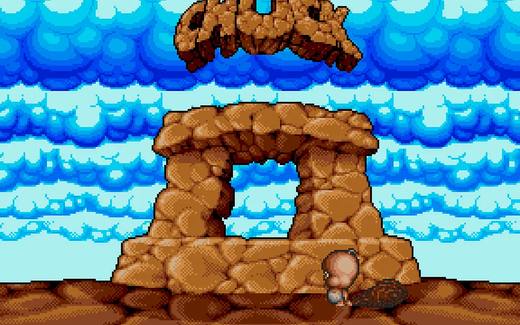
Heath-Smith’s role was not that of a lone author writing code, but that of a founder, manager and producer able to build a studio, organize productions and guide Core through a period of rapid growth. Before Tomb Raider changed everything, the company worked on a broad and recognizable catalogue: Rick Dangerous, Chuck Rock, Heimdall, Wolfchild, Soulstar, BC Racers and other games that show the transition from home computers to 16-bit and 32-bit platforms. Core was not simply “the Lara Croft studio”. It was a highly productive British developer with a strong technical and commercial identity.
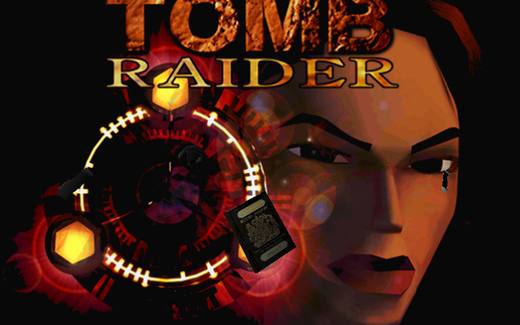
The turning point, of course, was Tomb Raider, released in 1996. The game was created inside Core Design, with Toby Gard as the key creative figure behind Lara Croft, but Heath-Smith was one of the decisive executives involved in bringing the project to market and turning it into a global phenomenon. After Eidos acquired CentreGold in 1996, Heath-Smith became Executive Director of Eidos, a role he held until 2000, while remaining closely connected to the management of Tomb Raider during its period of massive commercial expansion.
His story is also tied to the pressures of the late 1990s games industry. Tomb Raider became an almost annual production machine, with fast sequels, increasing commercial pressure and a more difficult balance between creativity, development time and publisher expectations. The symbolic breaking point came with Tomb Raider: The Angel of Darkness, released in 2003 for PlayStation 2 and PC: an ambitious project affected by production issues and a difficult reception, after which the series was taken away from Core Design. Retrospective accounts connect that moment to the end of Heath-Smith’s central role in the franchise and to his later move away from the traditional games industry.
After Core, Heath-Smith founded Circle Studio with his brother Adrian, working on projects including Without Warning for PlayStation 2 and Xbox, but the studio closed in 2007. His historical weight remains that of a producer-entrepreneur: not the direct creator of Lara Croft, but one of the people who made possible the industrial environment in which Tomb Raider was born, grew and became one of the strongest symbols of British gaming in the 1990s.