


Core Design
- Developer
- Publisher
Core Design was a British studio based in Derby, remembered for Rick Dangerous, Chuck Rock and above all for creating Tomb Raider.
History
Core Design was founded in Derby, United Kingdom, in May 1988 by a group of former Gremlin Graphics developers, including Jeremy Heath-Smith, Chris Shrigley, Andy Green, Rob Toone, Terry Lloyd, Simon Phipps, Dave Pridmore, Kevin Norburn and Greg Holmes. The company was originally called Megabrite, but by October of the same year it had become Core Design. It was a studio born from the British home computer scene of the late 1980s: small teams, fast development, experience across many machines and a strong presence on Amiga, Atari ST, Commodore 64, ZX Spectrum, Amstrad CPC and later PC.
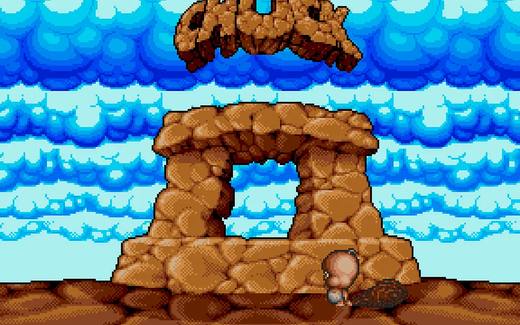
Core’s early period was much more varied than its later association with Lara Croft might suggest. Rick Dangerous, released in 1989, immediately gave the studio a recognizable identity: a tough, ironic action platformer full of traps and shaped by a pulp adventure tone. It was followed by Rick Dangerous 2, Corporation, Switchblade, Wolfchild, Thunderhawk, Chuck Rock, Heimdall, Soulstar and Bubba ’n’ Stix. Core did not have a single fixed style, but it could move between platform games, action, adventure, arcade simulation and technically ambitious productions. In the early 1990s it was one of the British studios able to follow the move from 8-bit to 16-bit machines without losing its audience.
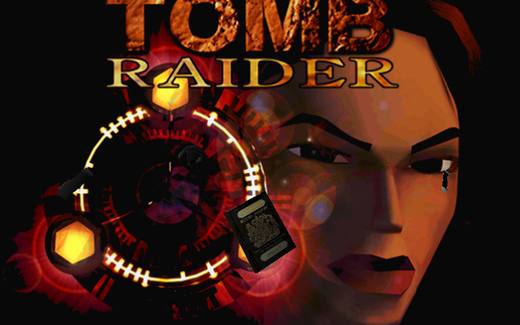
In 1994 Core became part of CentreGold, and in 1996 it moved under Eidos Interactive when Eidos acquired CentreGold, U.S. Gold and related companies. That same year brought Tomb Raider, developed in Derby and published by Eidos. Created by Toby Gard and built with the contribution of a small team that also included figures such as Paul Douglas, the game transformed Core from a respected British studio into a central name of the PlayStation era. Lara Croft became a global icon far beyond games: 3D exploration, tombs, environmental puzzles, action and an instantly recognizable heroine gave Eidos its strongest brand and Core enormous visibility.
The success was also a production trap. Between 1997 and 2000 Core developed Tomb Raider II, Tomb Raider III, The Last Revelation and Chronicles at a punishing pace, while Lara Croft became larger than the team that had created her. At the same time, the studio also worked on Fighting Force, Project Eden, Herdy Gerdy and Thunderhawk: Operation Phoenix, but its name remained almost entirely absorbed by Tomb Raider. The move to PlayStation 2 proved difficult: Tomb Raider: The Angel of Darkness, released in 2003 after a troubled development, received a disappointing critical response and marked the end of Core’s control over the series. Eidos handed the future of the franchise to Crystal Dynamics.
After that, many key members left the studio, while Core continued with smaller projects such as Smart Bomb for PSP and a proposed remake of the first Tomb Raider, which was later cancelled. In 2006 Eidos sold Core Design’s staff and assets to Rebellion Developments, while retaining the Tomb Raider brand and key intellectual properties. The studio became Rebellion Derby and continued for a few more years, before closing in March 2010.
Core Design’s legacy is double. On one side, it was a British studio typical of the transition from home computers to consoles, with a broader and more curious catalogue than it is often remembered for. On the other, it was the studio that created Lara Croft and pushed Tomb Raider into the pop culture of the 1990s. Its history also shows the cost of that success: a small European development culture that, within only a few years, had to carry a global icon and was almost crushed by it.