




Eidos Interactive
- Publisher
Eidos Interactive was one of the most important British publishers of the 1990s and 2000s, associated with Tomb Raider, Championship Manager, Deus Ex, Thief and Hitman.
History
Eidos Interactive officially emerged in the mid-1990s, but its roots go back to Domark, a British publisher founded in London in 1984 by Dominic Wheatley and Mark Strachan. Domark had made its name in the home computer market with titles such as Eureka!, A View to a Kill, Trivial Pursuit, Hard Drivin’ and Championship Manager, the football management series created by brothers Paul and Oliver Collyer that would become one of the most beloved PC franchises in Europe. The major transformation came in 1995, when Domark was acquired by Eidos, a company originally focused on video compression technology, together with the studios Simis and Big Red Software. In 1996, the group acquired CentreGold, which included U.S. Gold and, most importantly, Core Design, the Derby-based studio that was about to change Eidos forever with Tomb Raider.
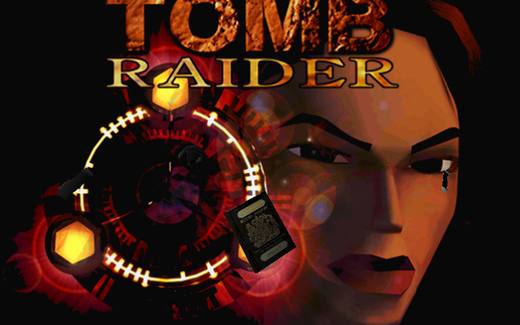
1996 was the turning point. Tomb Raider, developed by Core Design and published by Eidos, turned Lara Croft into one of the first global icons of 3D gaming. Its mix of exploration, action, environmental puzzles and an instantly recognizable protagonist gave Eidos a powerful identity during the PlayStation, PC and Saturn years. The success was huge, but it also became a burden. Tomb Raider quickly became the publisher’s commercial center, with sequels arriving at a demanding pace and a production pressure that would later weigh heavily on Core Design and on the series itself.
Eidos, however, was never only Tomb Raider. Between the late 1990s and the early 2000s it built a catalogue of real depth, often through owned or external studios. With Looking Glass Studios and Ion Storm came Thief: The Dark Project, Deus Ex and later Deus Ex: Invisible War, games that became essential to immersive sim design and to a more open, systemic and adult approach to PC gaming. With IO Interactive, Eidos published Hitman: Codename 47 and its sequels, shaping a cold, methodical and very European stealth series. With Sports Interactive it continued the Championship Manager phenomenon, while Legacy of Kain, developed across Silicon Knights and Crystal Dynamics, strengthened the darker and more narrative side of the catalogue. In 1998, Eidos acquired Crystal Dynamics, a studio that would later become crucial to the future of Tomb Raider.
Its strongest period therefore matched the long PlayStation generation and the first truly modern PC market. Eidos represented a particular kind of post-home-computer British industry: less handcrafted than the 1980s, more international in reach, but still recognizable in taste, genre and personality. Ian Livingstone, already known through Games Workshop and Fighting Fantasy, became a key figure in the group’s growth as executive chairman and later creative executive, helping give the publisher a stronger profile in the global market.
The second half of the 2000s was more difficult. In 2005, Eidos was acquired by SCi Entertainment, while Tomb Raider was going through an uncertain phase after Angel of Darkness and before the Crystal Dynamics reboot. In 2009, Square Enix acquired Eidos plc, and in November of the same year Eidos Interactive was absorbed into the newly formed Square Enix Europe. The Eidos name remains tied to a publisher that helped carry British video games from the home computer era into the global 3D market, through characters, studios and series that strongly marked the 1990s and 2000s.