




Commodore
- Manufacturer
Commodore è stata una delle aziende simbolo dell’home computer, decisiva con PET, VIC-20, Commodore 64 e Amiga nella diffusione dell’informatica domestica.
History
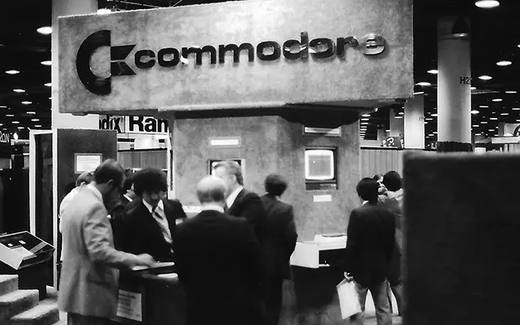
Commodore began as Commodore Portable Typewriter, Ltd. in Toronto in 1958, founded by Jack Tramiel and Manfred Kapp after earlier work in typewriter sales and repair. Before becoming one of the central names in home computing, the company moved through several markets: typewriters, mechanical adding machines, electronic calculators and components. The decisive shift came in the 1970s, when Tramiel understood that surviving Japanese competition in calculators required control over internal technology. Commodore’s acquisition of MOS Technology in 1976 brought crucial microprocessor expertise into the company, including the MOS 6502, one of the key chips of the 8-bit era.
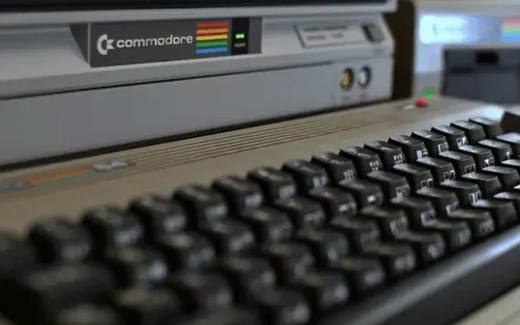
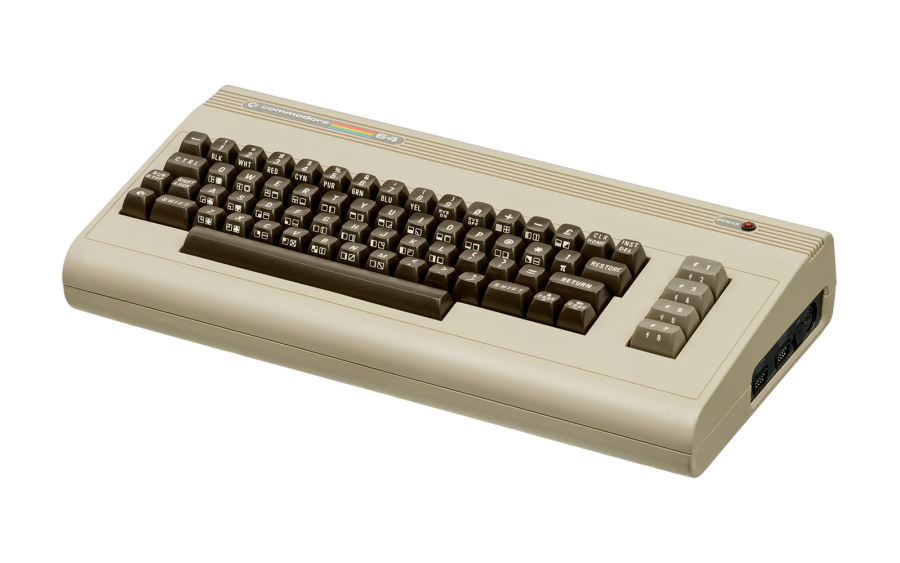
In 1977 Commodore entered the personal computer market with the PET, introduced alongside machines such as the Apple II and TRS-80. The PET was aimed at schools, offices and early home users, with monitor, keyboard and cassette unit built into a compact and recognizable design. But it was with the VIC-20 and especially the Commodore 64 that the company reached a mass audience. Released in 1982, the C64 combined an aggressive price, the VIC-II graphics chip, the SID sound chip and distribution that reached far beyond traditional computer shops. Tramiel’s philosophy, often summarized as “computers for the masses, not the classes”, was not only a slogan. Commodore really tried to bring computing into the home at a lower price than its rivals.
The company’s strongest impact came in the first half of the 1980s. The VIC-20 became one of the first computers to pass one million units sold, while the Commodore 64 became the best-selling single computer model in history, with estimates usually placed between 12 and 17 million units. For many European users, including many in Italy, the C64 was the entry point into home gaming, BASIC programming, magazines with type-in listings, tapes, 1541 floppy drives and an enormous software scene. Thousands of games grew around the machine: Impossible Mission, The Last Ninja, International Karate, California Games, Bubble Bobble, Turrican, Maniac Mansion, Elite, Summer Games and many others. Commodore was not only hardware. It was a popular, affordable, chaotic and creative ecosystem.
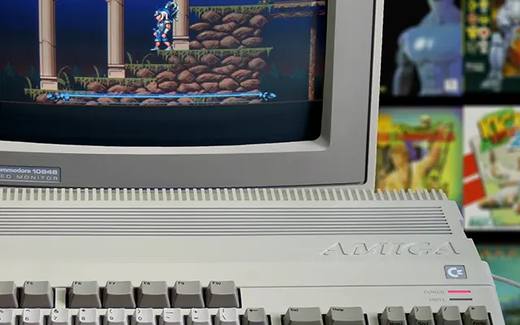
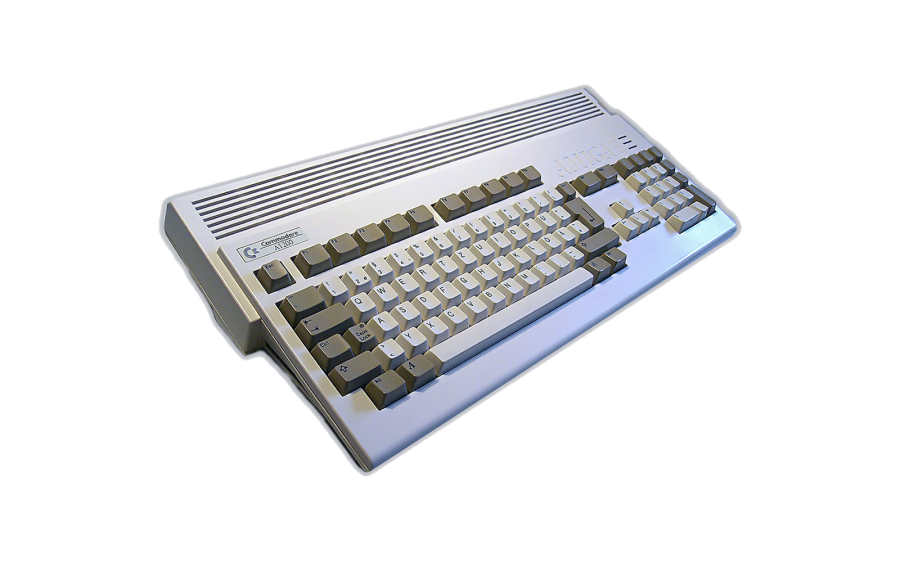
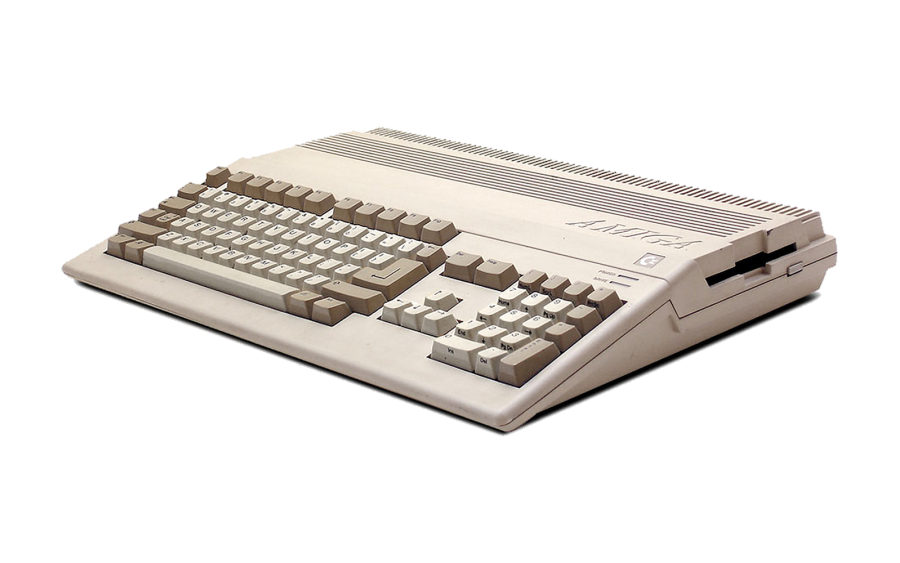
In 1984 Jack Tramiel left Commodore after internal conflicts with Irving Gould and soon moved to Atari, turning the rivalry between the two companies into one of the most unusual chapters in microcomputer history. Commodore acquired Amiga Corporation in 1984 and launched the Amiga 1000 in 1985. The Amiga offered preemptive multitasking, advanced graphics, sampled stereo sound and an architecture based on custom chips such as Agnus, Denise and Paula. With the Amiga 500, released in 1987, that technology truly entered European homes. For games, graphics, music, demoscene culture and amateur video, the Amiga became a cult machine, supported by titles such as Shadow of the Beast, The Secret of Monkey Island, Sensible Soccer, Lemmings, Another World, Turrican II, Lotus Esprit Turbo Challenge, Cannon Fodder and many more.
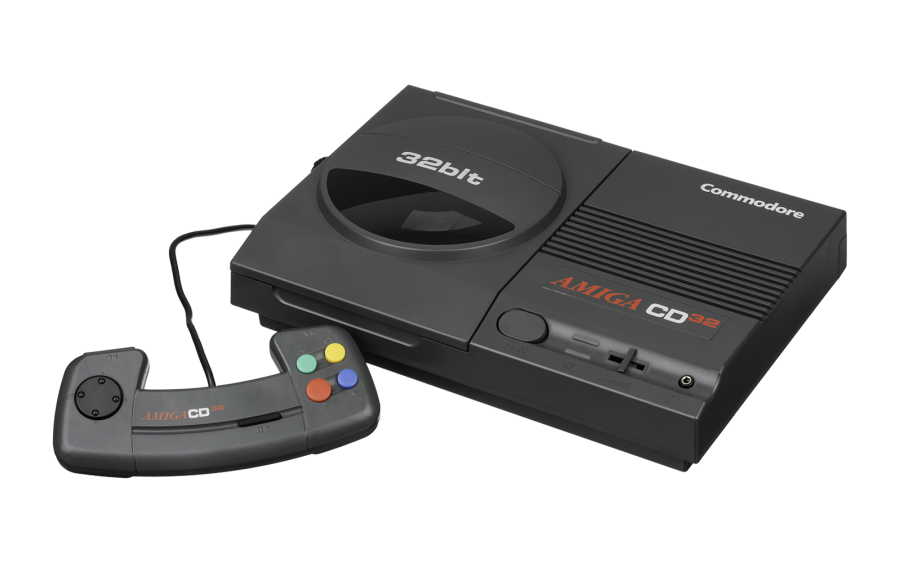
Commodore’s strength was also its weakness. The company could sell remarkable machines at aggressive prices, but it often struggled to build a coherent long-term strategy. After Tramiel’s departure, management was marked by conflict, delays, overlapping products and difficulty responding to the rise of IBM PC compatibles and Japanese consoles. The Amiga remained technically loved, especially in Europe, but updates arrived too slowly and the line failed to keep pace with the market. CDTV and Amiga CD32 were interesting but late attempts, unable to save the company.
Commodore filed for bankruptcy in 1994 and was liquidated; its assets later passed to Escom in 1995, beginning a long and fragmented history of brands, licences and revival attempts. Its legacy, however, remains enormous. Commodore brought computers into millions of homes, made the idea of programming and playing on the same machine familiar, gave the European scene a shared platform and created two different but complementary myths: the Commodore 64 as the people’s 8-bit machine, and the Amiga as a creative, audiovisual computer still loved today.