





Nintendo
- Manufacturer
- Developer
- Publisher
Nintendo is the historic Japanese company that repeatedly reshaped home video games, from the Famicom and Game Boy era to Wii, DS and Switch.
History
Nintendo was founded in Kyoto on September 23, 1889, by Fusajiro Yamauchi as Nintendo Koppai, a company that produced hanafuda playing cards. For decades it remained tied to that market, passing through imperial Japan, the post-war years and the country’s economic reconstruction. Its modern transformation came mainly under Hiroshi Yamauchi, president from 1949 to 2002, who moved the company beyond cards and pushed it toward toys, electronic devices and new forms of entertainment. Before video games, Nintendo explored many directions, from Gunpei Yokoi’s Ultra Hand toy to electromechanical games and early arcade experiments.
During the 1970s Nintendo gradually entered video games, first with dedicated systems such as Color TV-Game and then through arcades. Donkey Kong, released in 1981 and designed by Shigeru Miyamoto with technical support from Gunpei Yokoi, changed the company’s future. It introduced the character who would become Mario, gave Nintendo an international success and showed a different sensibility from many arcade games of the time, with more attention to characters, situations and playful storytelling. Soon after, Game & Watch strengthened Nintendo’s portable game philosophy and made Yokoi one of the key figures in the company’s creative culture.
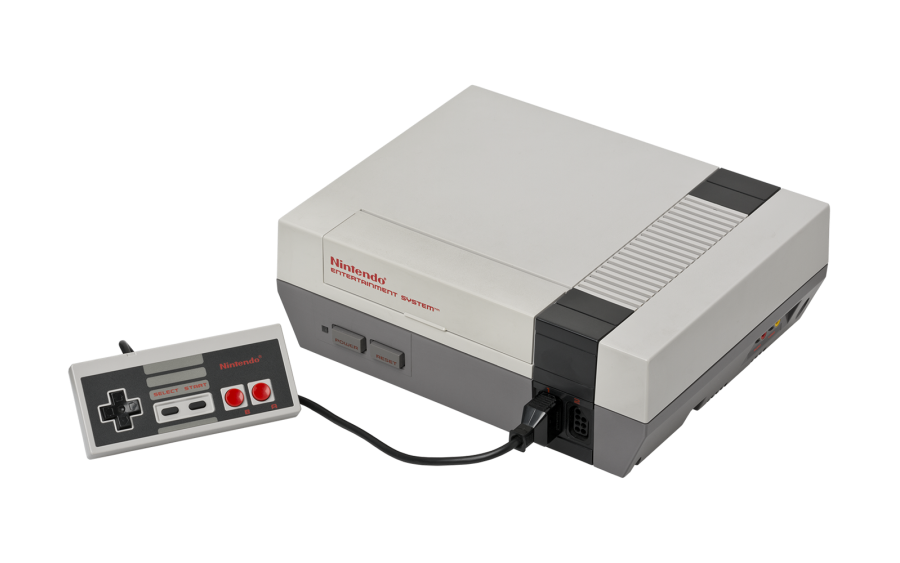
The decisive leap came with the Family Computer, launched in Japan in 1983 and later released in the West as the Nintendo Entertainment System. In a North American market still damaged by the 1983 crash, Nintendo rebuilt trust in console gaming through strict control: licensing rules, a quality seal, proprietary cartridges and a catalogue able to reach different kinds of players. Super Mario Bros., The Legend of Zelda, Metroid, Kid Icarus, Punch-Out!! and Fire Emblem helped define the language of home console games through precision, clarity, secrets and memorable worlds. Around Miyamoto, Yokoi, Takashi Tezuka, Koji Kondo and other creators, Nintendo built an internal creative school closer to design craft than simple content production.
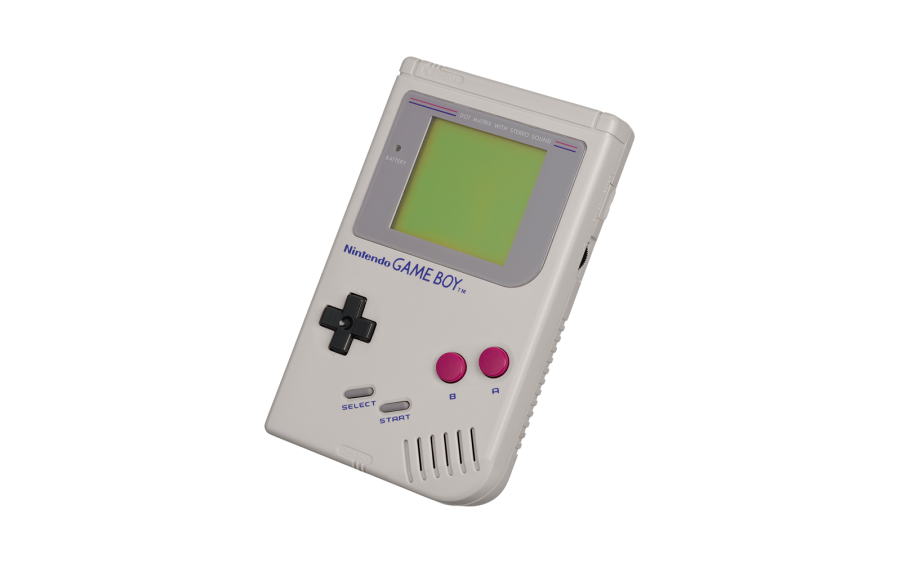
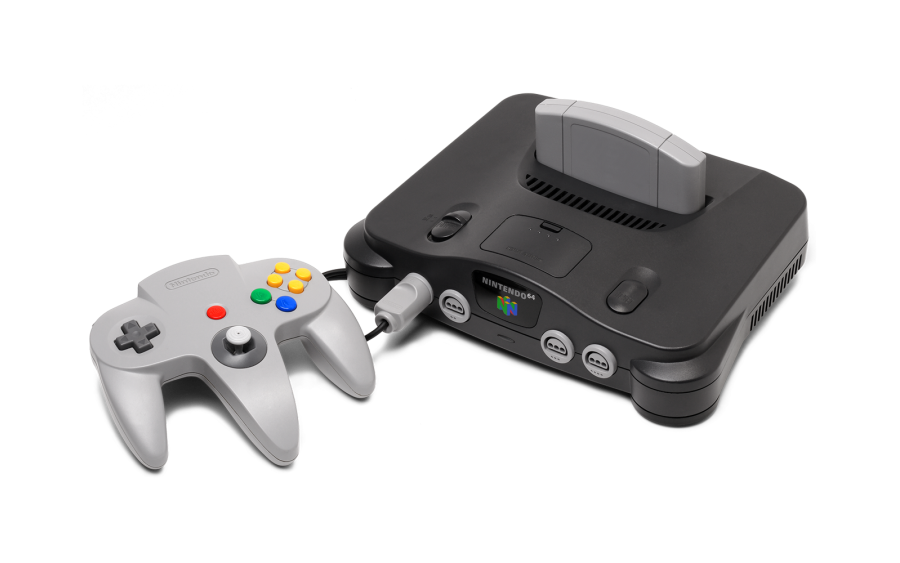
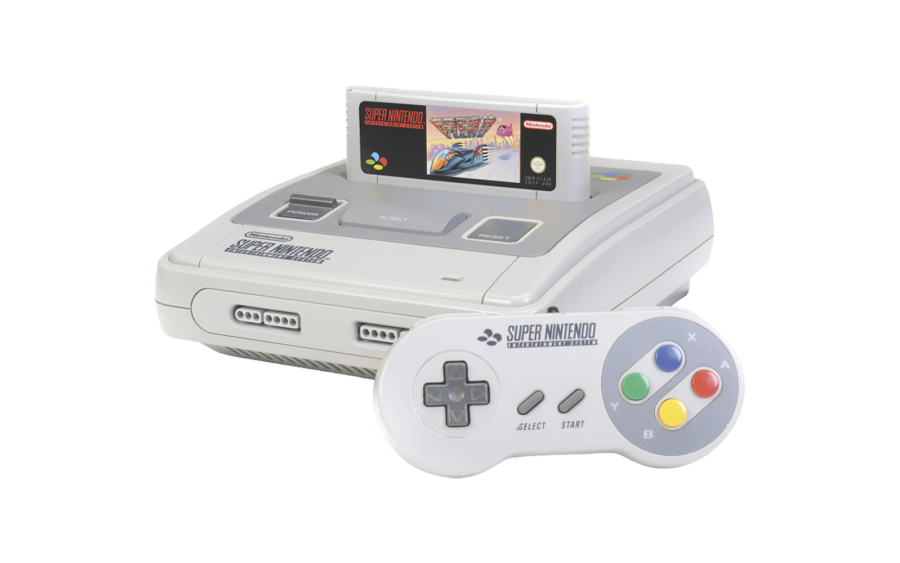
Between the late 1980s and the 1990s, Nintendo reached its strongest cultural dominance with Game Boy, Super Nintendo and Nintendo 64. Game Boy, launched in 1989, was not the most powerful handheld, but its battery life, price, sturdy design and Tetris made it a global phenomenon. Super Nintendo brought the 16-bit era to maturity with Super Mario World, The Legend of Zelda: A Link to the Past, Super Metroid, F-Zero, Star Fox, Donkey Kong Country and Mario Kart. Nintendo 64, although held back by cartridges in an industry moving toward CD-ROM, gave 3D gaming two fundamental models: Super Mario 64 and The Legend of Zelda: Ocarina of Time.
The 2000s were more uneven, but still decisive. GameCube struggled against PlayStation 2, while Game Boy Advance kept Nintendo strong in handheld gaming. With Nintendo DS and Wii, under Satoru Iwata’s presidency, the company changed the rules again: touch screens, dual screens, motion controls and communication aimed even at people outside the traditional gaming audience. Brain Training, Nintendogs, Wii Sports, Mario Kart Wii and New Super Mario Bros. showed a Nintendo able to expand the market without completely abandoning its identity. After the difficult Wii U years, Switch in 2017 merged handheld and home console play into one machine, bringing Nintendo back to the center of the industry through Breath of the Wild, Super Mario Odyssey, Animal Crossing: New Horizons, Mario Kart 8 Deluxe, Splatoon and Super Smash Bros. Ultimate.
Nintendo remains an almost unique case: a hardware maker, publisher and creative studio with tight control over its own series. Its legacy is not only Mario, Zelda, Pokémon, Metroid, Kirby, Fire Emblem or Animal Crossing, but a specific idea of video games in which technology matters only when it becomes gesture, surprise, readable rules and immediate pleasure. That is why its history can move through playing cards, toys, arcades, consoles, handhelds, films, theme parks and museums while still keeping a clear thread: creating playful objects that feel simple, but are built with almost invisible precision.