






Microsoft
- Manufacturer
- Developer
- Publisher
Microsoft is one of the world’s most important technology companies and, through Xbox, brought PC culture, online services and major acquisitions into the console market.
History
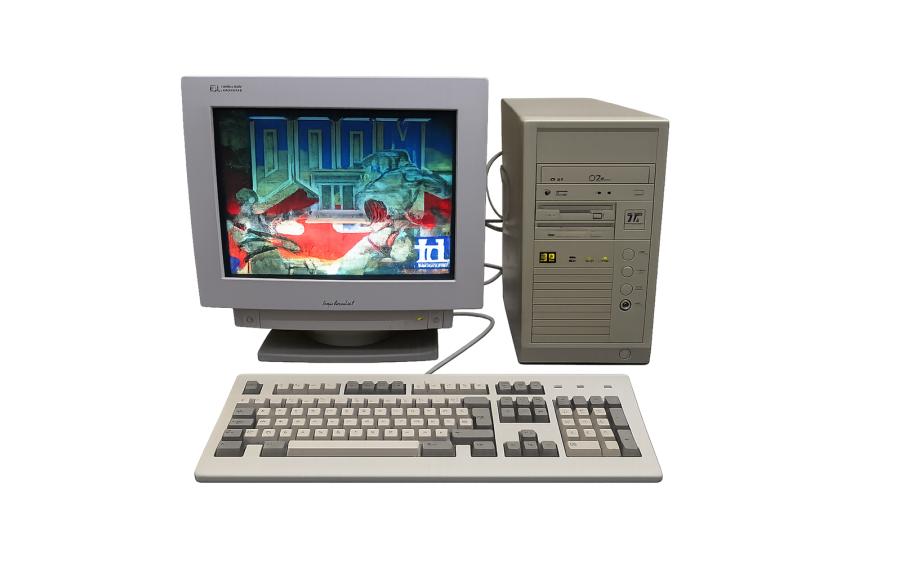
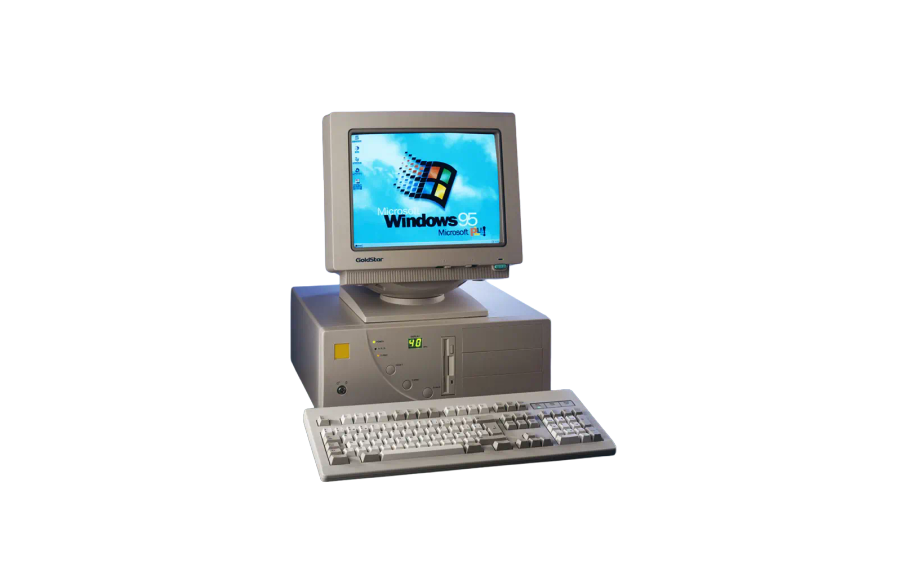
Microsoft was founded on April 4, 1975, in Albuquerque, New Mexico, by Bill Gates and Paul Allen. It was not a video game company at the beginning, but a small software business built around a BASIC interpreter for the Altair 8800. Over the following decades, through MS-DOS, Windows, Office and later Internet Explorer, Microsoft became one of the central names in personal computing, eventually moving its main base to Redmond, Washington. Its relationship with video games grew indirectly through PC culture: games, simulators, development tools, DirectX and Windows as a key platform for home computer gaming.
Before Xbox, Microsoft was already present in games through the PC. Microsoft Flight Simulator, Windows versions of board and card games, Age of Empires by Ensemble Studios, and titles such as Midtown Madness and MechWarrior helped build an identity linked to simulation, strategy and online play. The real turning point was DirectX, a technology created in the 1990s to make Windows a stronger platform for games. The Xbox name itself grew from that idea: a console imagined almost as a “DirectX Box”, bringing part of the PC’s technical culture into the living room.
Xbox launched in 2001 in the United States and in 2002 in Europe and Japan. It was very different from the Japanese consoles of the time: large, powerful, built around an architecture close to the PC, with an internal hard drive and a strong focus on online play. Halo: Combat Evolved, developed by Bungie, was the decisive game. It not only gave the console an identity, but also proved that a first-person shooter could work powerfully on a home console. With Xbox Live, launched in 2002, Microsoft made online console gaming more structured, stable and recognizable, anticipating many habits that would become standard in the following generation.
Xbox 360, released in 2005, was the brand’s strongest cultural moment. It arrived before PlayStation 3, caught the rise of HD gaming, made Xbox Live central and built a very strong catalogue: Halo 3, Gears of War, Forza Motorsport, Fable II, Mass Effect, BioShock, Alan Wake, Lost Odyssey and many multiplatform games that felt naturally at home on Microsoft’s console. In that period Xbox was not just seen as an alternative to Sony and Nintendo, but as a platform with a clear identity: more Western, more online and closer to PC gaming culture. Xbox Live Arcade also played an important role in bringing digital games back into the console conversation, with titles such as Braid, Geometry Wars and Limbo.
The Xbox One generation was more difficult. Presented in 2013 with a message too focused on television, used-game restrictions and mandatory online connection, the console had a troubled start and Microsoft had to correct its strategy quickly. Under Phil Spencer, who became head of Xbox in 2014, Microsoft gradually shifted its focus from hardware alone to a wider ecosystem: backward compatibility, PC, cloud, Game Pass and studio acquisitions. Xbox Series X|S, from 2020 onward, continued in this direction, less tied to the console as a single object and more to the presence of Xbox across different devices.
In recent years Microsoft has greatly strengthened its position through major acquisitions: Mojang in 2014, ZeniMax Media in 2021 and Activision Blizzard in 2023, a deal completed on October 13, 2023 after a long process with international regulators. With Xbox Game Studios, Bethesda and Activision Blizzard under the same gaming structure, Microsoft has become one of the largest groups in the industry, owning series such as Halo, Forza, Minecraft, The Elder Scrolls, Fallout, Doom, Call of Duty, Warcraft, Diablo and Candy Crush. Its video game legacy is unusual: Microsoft did not come from games, but it changed the way consoles, PCs, online services, subscriptions and large industrial ecosystems connect with one another.