


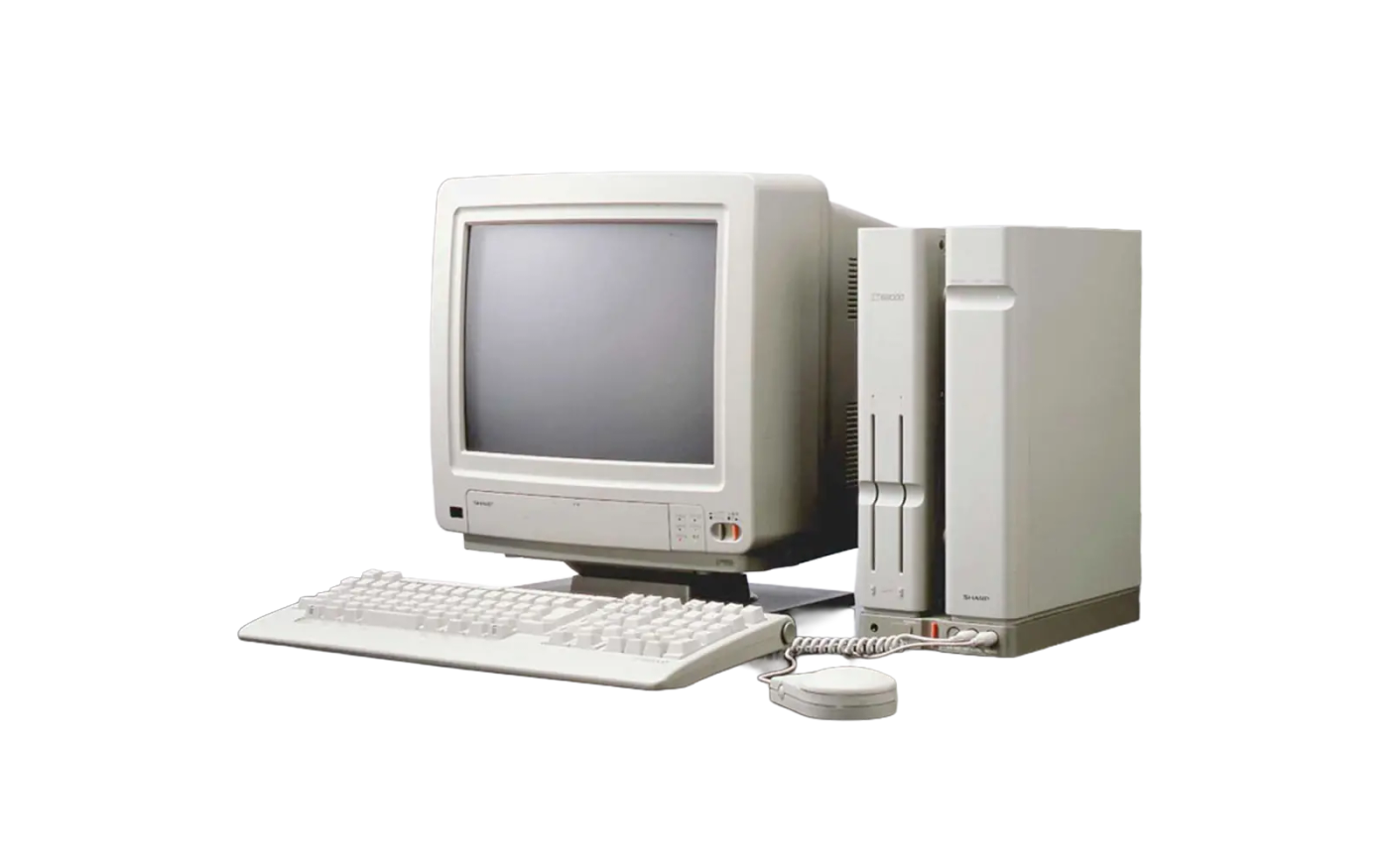


Sharp X68000
Released by Sharp in Japan in 1987, the X68000 was one of the most powerful and fascinating home computers of its generation, though it remained almost entirely tied to the Japanese market. It was not designed as a global mass-market machine: it was expensive, technical, aimed at advanced users and very close to the arcade world in spirit. Its natural rivals included the NEC PC-88/PC-98, FM Towns, MSX2 and, outside Japan, machines such as the Amiga and Atari ST.
Early models were based on a Motorola 68000 running at 10 MHz, the same CPU family used in many arcade boards and 16-bit home computers. The X68000 offered advanced 2D graphics, with hardware sprites, tilemaps, multiple scrolling layers, bitmap modes and a palette of up to 65,536 colors. Audio was handled by the Yamaha YM2151 FM chip with ADPCM support, giving the system a sound very close to contemporary arcade hardware. Its main medium was floppy disk, first 5.25-inch and later 3.5-inch on newer models.
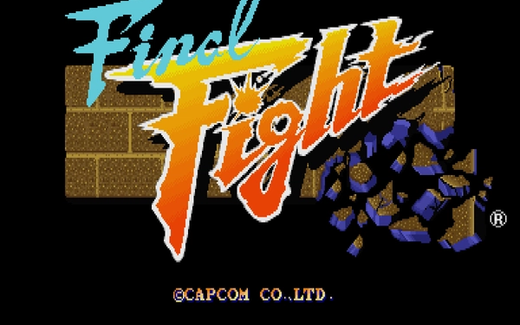
There are no consolidated public sales figures, but the Sharp X68000 remains a cult machine thanks to the quality of its arcade conversions and its role in the Japanese computer scene. Its legacy runs through Akumajō Dracula, Gradius II, Final Fight, Street Fighter II’ Champion Edition, Daimakaimura, Parodius Da!, Cho Ren Sha 68K and R-Type.