


Psygnosis
- Developer
- Publisher
Psygnosis was a historic British studio and publisher from Liverpool, a symbol of the Amiga era and later crucial to the European identity of the first PlayStation.
History
Psygnosis was founded in Liverpool in 1984 by Ian Hetherington, Jonathan Ellis and David Lawson from the remains of the legendary Imagine Software. From the beginning it presented itself differently from many British game companies of the time: not only through games, but through a powerful visual identity. The famous owl logo, designed by Roger Dean, the illustrated covers, carefully produced packaging and an almost record-label tone gave Psygnosis immediate recognition. In a market dominated by cheap tapes, microcomputers and fast production, the company tried to sell its games as premium objects, visually seductive even before they loaded.
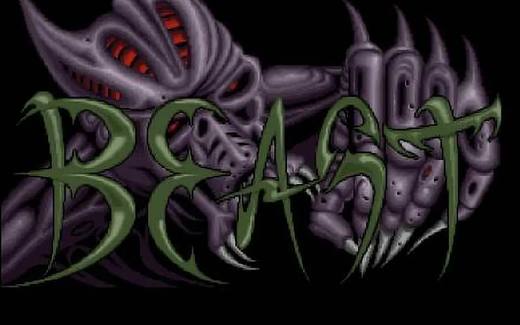
Its first phase included titles such as Brataccas, Deep Space, Barbarian, Terrorpods and Obliterator, but the Psygnosis name truly exploded with the rise of Amiga and Atari ST. The Liverpool studio and publisher understood earlier than many others the audiovisual potential of European 16-bit computers: striking graphics, intros, music, scrolling, fantasy and science fiction atmospheres. Shadow of the Beast, developed by Reflections and published in 1989, became one of the symbols of the Amiga: spectacular parallax, rich colour, David Whittaker’s soundtrack and a presentation that seemed designed to demonstrate, rather than simply suggest, the sensory power of Commodore’s machine.
The Psygnosis catalogue between the late 1980s and early 1990s was very broad: DMA Design’s Menace and Blood Money, Awesome, Agony, Leander, Armour-Geddon, The Killing Game Show, Ork, Puggsy, Benefactor, Microcosm, Walker and many others. Not all of them were perfectly balanced games, and sometimes the image was stronger than the substance, but Psygnosis built a recognizable aesthetic school: alien worlds, biomechanical creatures, metallic logos, fantasy illustration and a sense of mystery very different from the more direct tone of Ocean, Gremlin or Team17. Its collaboration with DMA Design was also crucial for Lemmings, published in 1991, one of the most important puzzle games ever made, turning tiny, stubborn, self-destructive characters into a global phenomenon.
In 1993 Sony acquired Psygnosis ahead of its entry into the console market with PlayStation. It was a crucial move. Sony was not only buying a studio, but European expertise, technology, developer relationships and a visual sensibility well suited to its new console. Psygnosis kept a degree of autonomy for several years and continued to work on multiple platforms, but it became one of the pillars of PlayStation’s European identity. Wipeout, released in 1995, combined anti-gravity racing, design by The Designers Republic, electronic music and club culture, turning PlayStation into something more adult, urban and modern than the previous console image.
The second half of the 1990s also brought Formula One, Destruction Derby, G-Police, Colony Wars and other titles that strengthened the studio’s role in Sony’s catalogue. In 1999 the Psygnosis name was dropped in favour of SCE Studio Liverpool, marking its full integration into Sony Computer Entertainment. From that point, the historical owl identity gave way to the PlayStation brand, but the team continued to work mainly on Wipeout and Formula One. Sony closed Studio Liverpool on August 22, 2012, ending a story that had begun almost thirty years earlier.
Psygnosis’ legacy is enormous because it crosses two very different eras: the Amiga as the machine of European audiovisual dreams, and PlayStation as an adult, modern console close to music and design culture. It was not always a synonym for perfect gameplay, but it was one of the companies that best understood the power of image, atmosphere and presentation. For Retro-Gamers, Psygnosis is the owl on the box, Shadow of the Beast running on Amiga, Lemmings conquering the world and Wipeout bringing club culture into console gaming.