






Sony Computer Entertainment
- Publisher
- Manufacturer
- Developer
Sony Computer Entertainment, now Sony Interactive Entertainment, is Sony’s PlayStation division, central to the shift from CD-ROM gaming to the modern console market.
History
Sony Computer Entertainment was founded in Japan in 1993 as the company created to lead Sony’s entry into the video game market. Its origin belongs to a wider story, beginning with the unrealized CD-ROM add-on for the Super Nintendo. When the relationship with Nintendo collapsed, Sony decided to turn that technical work into a standalone console. The new division was backed by Sony Corporation and Sony Music Entertainment Japan, with Ken Kutaragi as its key figure. Kutaragi, often described as the father of PlayStation, understood that CD-ROM technology, 3D graphics and a more open relationship with developers could change a console market still dominated by Nintendo and SEGA.
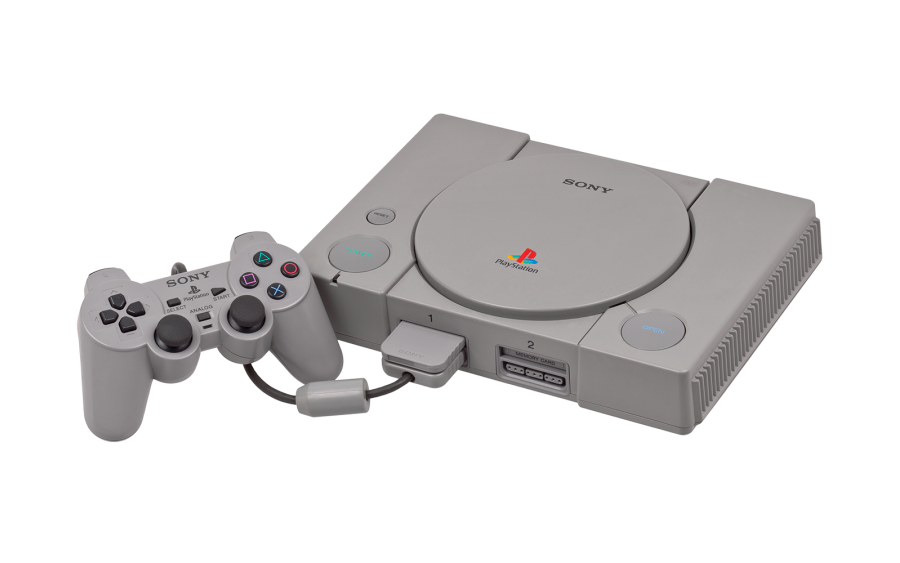
PlayStation was released in Japan on December 3, 1994, and reached Western markets in 1995. It was a technical, commercial and cultural turning point. Sony did not present itself simply as a hardware manufacturer, but as a company able to speak to an older audience, closer to music, fashion, club culture and cinema. CD-ROM reduced manufacturing costs compared with cartridges and allowed video, audio and larger game worlds. The console quickly became the center of the 32-bit generation, supported by a huge catalogue: Ridge Racer, Tekken, Wipeout, Resident Evil, Tomb Raider, Final Fantasy VII, Gran Turismo, Metal Gear Solid, Crash Bandicoot, Spyro the Dragon, Silent Hill and many others. Not all of them were first-party games, but PlayStation was the platform that turned many of them into global names.
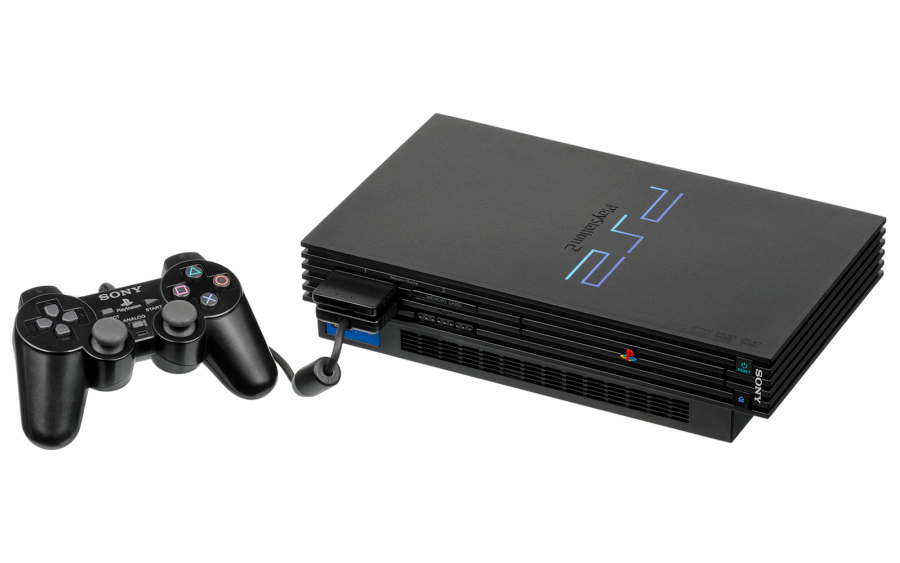
Sony’s strongest dominance came with PlayStation 2, launched in 2000. The console combined backward compatibility, DVD playback, strong third-party support and a brand image that was already deeply rooted worldwide. With more than 160 million units shipped, PS2 became the best-selling console in history. During those years Sony Computer Entertainment also strengthened its network of internal and controlled studios: Polyphony Digital with Gran Turismo, Japan Studio, Santa Monica Studio with God of War, Naughty Dog, already connected to Crash Bandicoot and later Jak and Daxter, Guerrilla Games with Killzone, alongside strategic relationships with external studios and acquisitions such as Psygnosis in 1993, later rebranded as Studio Liverpool. PlayStation’s strength came from combining hardware, marketing, publishing and a very broad developer ecosystem.
PlayStation Portable, released between 2004 and 2005, brought Sony into the handheld market with a powerful, multimedia-oriented machine very different from Nintendo DS. PlayStation 3, launched in 2006, was a more difficult phase: a high price, the complex Cell architecture and strong competition from Xbox 360 and Wii put Sony under pressure. Yet that generation also produced many important series and creative directions: Uncharted, The Last of Us, LittleBigPlanet, Demon’s Souls, inFamous and new chapters for God of War, Gran Turismo and Killzone. PlayStation Network became increasingly important, preparing the ground for the later centrality of digital services.
With PlayStation 4, from 2013 onward, Sony regained a very strong position thanks to developer-friendly hardware, clear messaging and an increasingly recognizable first-party catalogue: Bloodborne, Horizon Zero Dawn, Marvel’s Spider-Man, God of War, Ghost of Tsushima, The Last of Us Part II and many others. In 2016, Sony Computer Entertainment joined with Sony Network Entertainment International to form Sony Interactive Entertainment, a new global structure integrating hardware, software, content and network services under the PlayStation brand.
Today the Sony Computer Entertainment name is mainly historical, but it identifies the era in which PlayStation became one of the central brands in world gaming. Its legacy is not only about consoles sold, but about the way Sony changed the relationship between video games, adult audiences, multimedia technology, internal studios and large narrative productions. From the first PlayStation logo to today’s Sony Interactive Entertainment, it is the story of a division born from an industrial rupture and transformed into one of the pillars of the entire medium.